Hannover 2026: Traffic and Mobility in the Spotlight
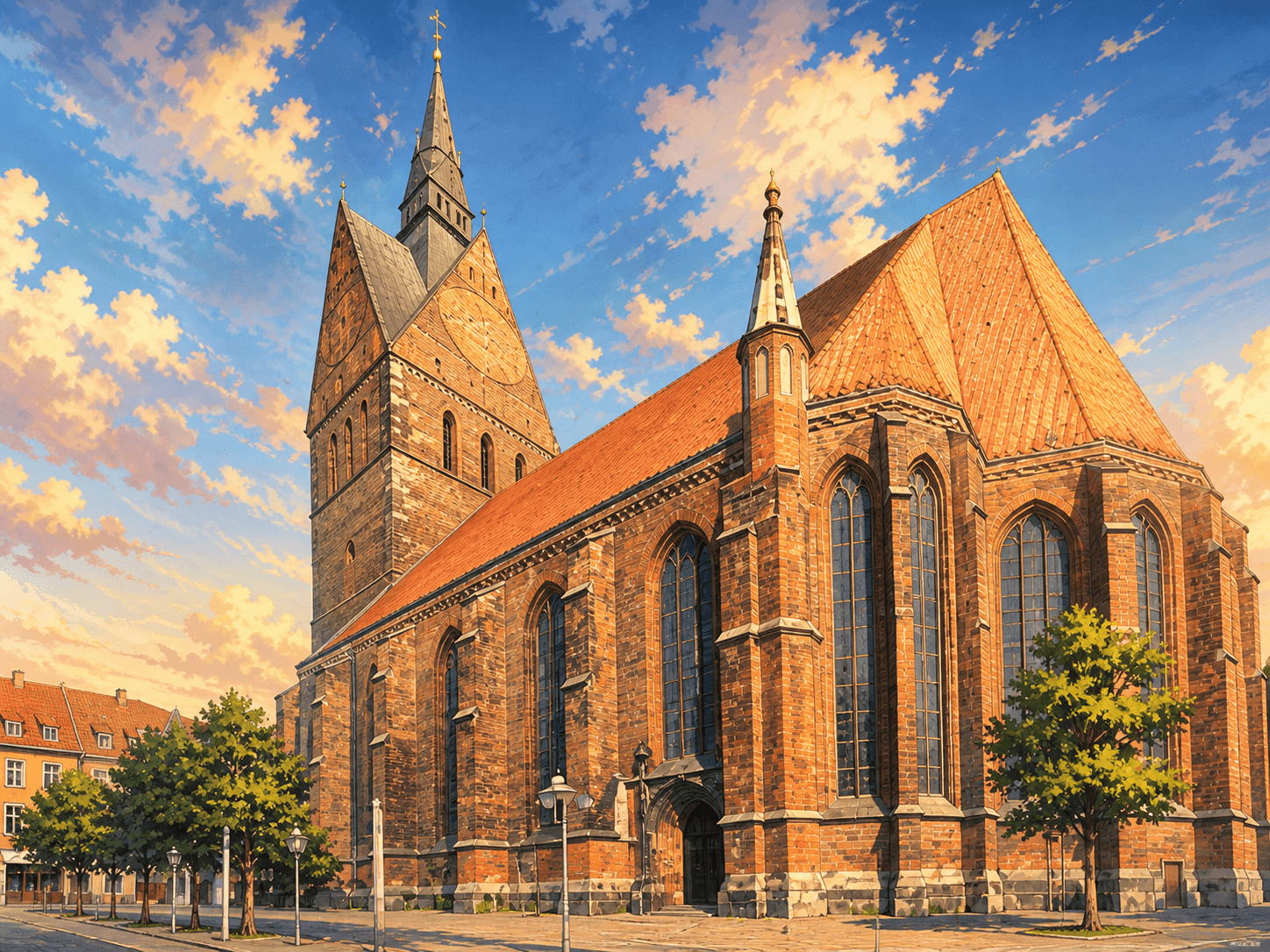
In January 2026, numerous initiatives and projects on traffic and mobility were at the center of attention in Hannover. The replacement of the Dornröschen Bridge, traffic calming measures in Linden-Nord, and further infrastructure projects reflect the current dynamics in the field of mobility.
Traffic and Mobility in Hannover: What was moving in January 2026
The city of Hannover focused intensively on the future of its transportation infrastructure in January 2026. In several meetings of the District Committee of Linden-Limmer (STBR10), decisions were made that aim to enhance safety, accessibility, and sustainability in the urban mobility environment. A particular focus was placed on the Dornröschen Bridge, as well as on local traffic calming measures and the inclusion of citizens in the planning process.
The Replacement of the Dornröschen Bridge: A Bridge to the Future
The Dornröschen Bridge, a key connection between Linden-Nord and Nordstadt, will be completely renewed between 2026 and 2028. With a budget of 11.5 million euros and 60% funding from the state of Lower Saxony, the new bridge will create a modern, barrier-free, and safer structure.
The new bridge will be built using prestressed concrete and will feature an arched design. Separate cycle paths (5–7 m wide) and sidewalks (4–6 m wide) will significantly improve safety for all road users. Railings with integrated lighting, seating areas, and waste bins will enhance the overall quality of the space.
The construction period is planned to last approximately 20 months, with the bridge expected to be closed from late November 2026 until summer 2028. Detours will be provided via the Schwanenburg Bridge, Justus-Garten Bridge, and Leinert Bridge.
Traffic Calming and Accessibility: Focusing on People's Needs
Another central topic was traffic calming in Linden-Nord. The District Committee advocated for greater safety and accessibility. For instance, the relocation of bike racks into parking areas in the Stephanusstraße is being evaluated to ease pedestrian traffic. Additionally, a round table will be established to discuss the introduction of a 30 km/h speed limit on Wunstorfer Straße to improve safety for pedestrians and cyclists.
A traffic light will be installed on Davenstedter Straße to improve crossing opportunities for pedestrians. In the Stephanusstraße, three marked pedestrian crossings will be created due to the high demand for crossing between shops on both sides of the street.
Inclusive Planning and Citizen Participation: A Focus for the Future
Hannover is increasingly focusing on inclusive planning. A representative for people with disabilities will be integrated into future planning processes. Special attention is given to orientation aids for visually impaired individuals, such as tactile elements and clear wayfinding.
Furthermore, the involvement of citizens, business owners, and interest groups such as the association FUSS e.V. is being promoted. The goal is to integrate people's needs into the planning process and thus create mobility that is accessible to everyone.
Outlook: Mobility for the Future
The developments in January 2026 show that Hannover is actively pursuing sustainable, safe, and barrier-free mobility. The replacement of the Dornröschen Bridge is not only a technical project but also a symbol of the city's future viability. The inclusion of citizens and the focus on inclusivity clearly show that mobility in Hannover is no longer just about traffic flows but about creating a high-quality living environment for all.
NeoSearch analyses public council documents, committee minutes and municipal announcements. Source references appear automatically once verified meeting data is available.
What does this mean for businesses?
Municipal council decisions are early indicators: following the council agenda surfaces projects and tenders months before the official award — before they ever reach the procurement portals.
Track similar decisions in your region
Set up monitoring for kommunale Projekte in Niedersachsen — prefilled from this article.
Set up monitoring →More signals from Hannover
Sport in Hannover: Structural Realignments and Investments in April 2026
In April 2026, Hannover decided to redefine its sports promotion, make significant investments in championships, and secure the future of its ice sports infrastructure. This blog post analyzes the new principles, financial highlights, and the long-term impact on the city's sports landscape.
Read more → Culture and Community in Hannover: Support, Projects, and Debates in April 2026
In April 2026, significant decisions in the areas of culture and community were in focus in Hannover. The Cultural Committee supported innovative projects, discussed the Volunteer Card, and provided impetus for artistic exhibitions and cultural participation.
Read more → Hannover Invests Heavily in Climate Protection: Community Gardens as Key to Urban Climate Adaptation
In April 2026, Hannover presented an ambitious concept for climate protection and green space development. Central to this is the role of community gardens as multifunctional spaces for climate adaptation, biodiversity promotion, and retention.
Read more →