April 2026: Urban Development Impulses in Hannover – Between Infill Development, Mobility, and Climate Protection
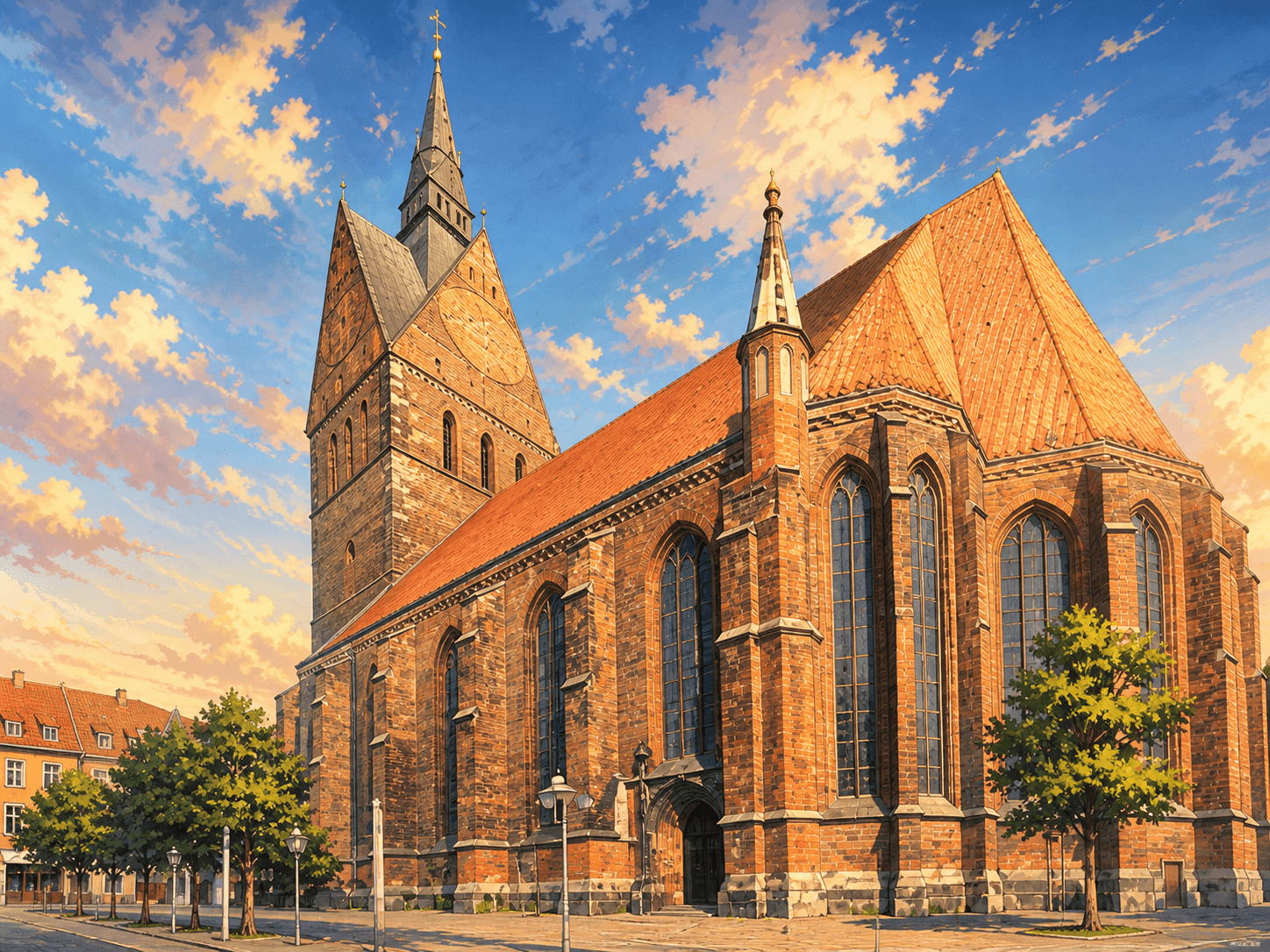
In an intense April 2026, Hannover made important decisions on urban development. The focus was on infill development in the Bothfeld district, mobility planning, climate protection measures, and the preservation of allotment gardens. These decisions show how the city balances urban dynamism with social responsibility.
Urban Development Impulses in Hannover: Focus on Neighborhood Development, Mobility, and Sustainability
The capital city of Lower Saxony, Hannover, has made a wide range of decisions in the field of urban development and building law in April 2026 that will have both short-term and long-term effects on the cityscape and quality of life. The discussions in the district council Bothfeld-Vahrenheide and other committees show how Hannover is addressing the challenge of aligning residential space, green areas, and mobility in a growing urban region.
Neighborhood Development and Infill: Bothfeld in the Spotlight
A central topic was the building plan for the commercial building at Burgwedeler Straße 10 in Bothfeld, which is planned as part of the urban redevelopment of the junction between Herzkamp and Kurze-Kamp-Straße. The building plan 1911 partially replaces building plan 231 and is being processed in an accelerated procedure.
The focus is on the demolition of the existing single-family house with a pharmacy and the construction of a four-story commercial building with a consumer market. The planned use includes retail, pharmacy, medical services, and office space. The infill is not only an urban planning measure but also a climate-related one, as it contributes to densification and the reduction of sealing.
The decision does not meet with universal approval. Bündnis 90/Die Grünen has submitted an amendment proposal suggesting a three-story construction to minimize the building impact on the residential area. In addition, the provision rate for bicycle parking spaces, especially for cargo bikes, is being discussed.
Mobility: Bicycles, Pedestrians, and Traffic Safety
Mobility planning is another focal point. In Bothfeld, temporary bicycle parking spaces have been set up at the light rail station Fasanenkrug to accommodate the increasing bicycle traffic in the warm season. In addition, a changed traffic light sequence is planned at the intersection of Ada-Lessing-Straße / Kugelfangtrift, which separates left turns and straight ahead traffic – leading to longer waiting times and traffic congestion.
Traffic safety in the district of Lahe was also in focus. Here, a bound pedestrian path along the Laher Kamp has been planned to separate pedestrians and cyclists from motorized traffic. In addition, the Laher Kamp will not be part of Veloroute 03, but local measures such as 20 km/h zones and traffic light systems will be implemented.
Climate Protection and Green Spaces: The Future of Allotment Gardens
Allotment gardens are another central topic. With the Allotment Garden Development Concept 2026+ (KEK26+), Hannover aims to close the supply gap of approximately 800 plots by 2035. The plan includes the creation of 1,458–2,915 new plots through division, infill, and replacement gardens. The measures also include the remediation of brownfields, the development of wildflower meadows, and the climate adaptation of the sites.
Allotment gardens are not only important as retention areas, but also as cold air corridors and biodiversity spaces. The city sees allotment gardens as playing a central role in social integration and ecological urban culture.
Housing and Care Infrastructure: The New Willy-Platz-Heim
In addition, the construction of the new Willy-Platz-Heim is planned in Bothfeld. The public-private partnership process provides for an increase in the capacity of inpatient care to at least 130 places. Currently, there are 99, but renovation would even reduce the number to 75. The new construction is associated with costs of 40–50 million euros and is intended to address the increasing care needs in the district.
Conclusion: Hannover as a Model City for Sustainable Urban Development
April 2026 shows that Hannover is actively addressing the challenges of the future. Whether in infill development in Bothfeld, mobility planning, or allotment garden development – the city is following a clear course that is both ecologically sustainable and socially acceptable. The discussions in the council and between the factions show that it is not always easy to take all interests into account. But the decisions that have been made show that Hannover is ready to commit to future-proof urban development.
NeoSearch analyses public council documents, committee minutes and municipal announcements. Source references appear automatically once verified meeting data is available.
What does this mean for businesses?
Municipal heat planning, photovoltaics and climate measures create early project indicators. Following council decisions surfaces sites and tenders before they are publicly advertised.
Track similar decisions in your region
Set up monitoring for environment & climate in Niedersachsen — prefilled from this article.
Set up monitoring →More signals from Hannover
Sport in Hannover: Structural Realignments and Investments in April 2026
In April 2026, Hannover decided to redefine its sports promotion, make significant investments in championships, and secure the future of its ice sports infrastructure. This blog post analyzes the new principles, financial highlights, and the long-term impact on the city's sports landscape.
Read more → Culture and Community in Hannover: Support, Projects, and Debates in April 2026
In April 2026, significant decisions in the areas of culture and community were in focus in Hannover. The Cultural Committee supported innovative projects, discussed the Volunteer Card, and provided impetus for artistic exhibitions and cultural participation.
Read more → Hannover Invests Heavily in Climate Protection: Community Gardens as Key to Urban Climate Adaptation
In April 2026, Hannover presented an ambitious concept for climate protection and green space development. Central to this is the role of community gardens as multifunctional spaces for climate adaptation, biodiversity promotion, and retention.
Read more →