Emden and Aurich Fight for the Revival of the Railway Line – A Mobility Study for March 2026
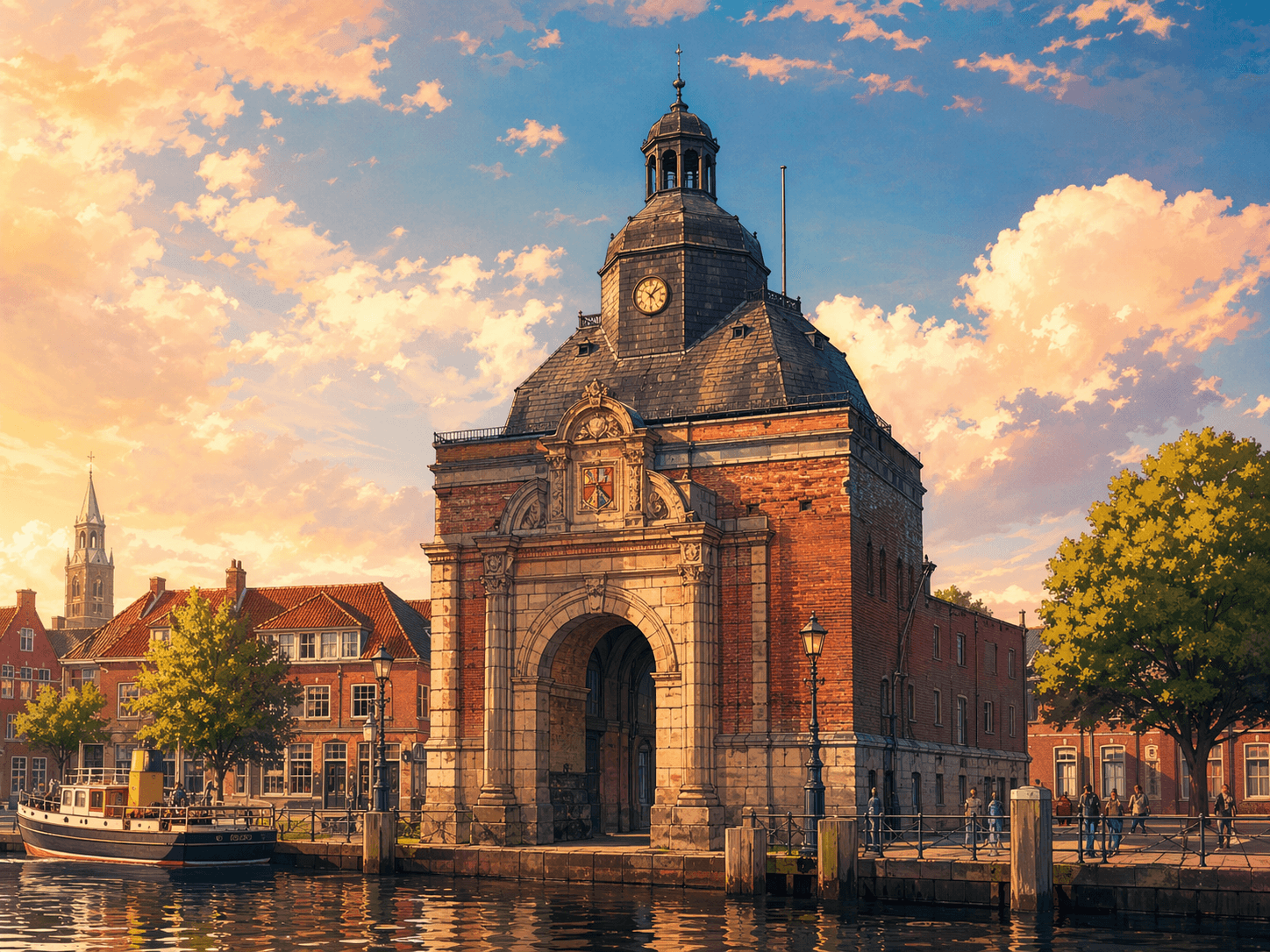
In March 2026, Emden will take a close look at the revival of the Aurich–Emden railway line. The city aims to strengthen local transport, promote climate protection, and boost the regional economy. However, on the way to the goal, there are challenges – and many questions remain open.
The Revival of the Aurich–Emden Railway Line: A Strategic Decision
In the East Frisian region, the revival of the Aurich–Emden railway line has become a decisive topic in local political discourse in recent weeks and months. Aurich, one of the largest cities in Germany without a train connection, and Emden, which functions as a port city and economic hub, have jointly pushed for the railway line to be used again for local passenger rail services (SPNV). A crucial milestone is planned for March 2026: On March 12, 2026, the Emden City Council will hold a joint session with the Committee for Urban Development, Environment and Climate Protection, as well as the Committee for Economy, Port, Tourism and Digital Affairs to discuss a proposal for a decision.
Background: A Line with a Long History and New Potential
The Aurich–Abelitz–Emden railway line was originally built at the beginning of the 20th century and used for local passenger transport until 1967. Since then, it has mainly been used for freight transport until this was suspended in 1993. Freight transport was resumed in 2008. The line is approximately 13 kilometers long, not electrified, and currently limited to a maximum speed of 25 km/h. A feasibility study conducted by the planning firm Emch und Berger has shown that the revival for SPNV is technically and legally possible.
The study examined various aspects: from the route and infrastructure to railway crossings, stopping points, noise reduction measures, and possible operational concepts. The aim is to expand the line for a maximum speed of 80 km/h – 60 km/h in tight curves. Battery-electric multiple units (BEMU) that can be charged during operation are to be used. This technology is particularly climate-friendly and could enable a daily CO2 saving of up to 6.5 tonnes equivalent.
The Political and Financial Challenges
The investment costs for the project amount to up to 87.93 million euros. However, there is hope: up to 90 percent of the costs can be financed through federal funding under the Law on the Promotion of Regional Development in the Overall Funding Program (GVFG funding). This is a decisive success factor that makes the revival economically viable.
To cover the costs and sustainably maintain the infrastructure, participation in a railway infrastructure company (EIU) is planned. The city of Emden has already generally expressed its willingness to participate in such a company. Aurich has also signaled its readiness to participate in the financing. This shows that the region is actively seeking solutions.
Another important issue is noise protection. In built-up areas, noise protection measures are required. Approximately 6.3 kilometers of noise barriers are needed, which would cost between 7.7 and 12.1 million euros. At the same time, the modernization of railway crossings is necessary: 15 crossings are to be modernized, and 58 are to be closed.
Benefits for the Region: Mobility, Climate, Economy
The revival of the Aurich–Emden railway line has the potential to fundamentally change the East Frisian region. The study predicts more than 4,000 additional passengers per day. This would not only strengthen public local transport but also relieve road traffic – particularly the B72 and the approaches to Emden.
Another advantage is the improved accessibility of the Central Clinic Ostfriesische Meere. A dedicated stopping point near the clinic could improve the region's medical care – especially in the context of demographic change. In addition, the line is considered part of Lower Saxony's revival program, which includes a total of six promising projects.
From an economic perspective, the revival is also promising. The region will be better connected to the workforce, and the catchment area for companies will be expanded. The study mentions a benefit-cost ratio of up to 4.69 – meaning that the benefits clearly outweigh the costs.
Challenges and Next Steps
Despite the positive findings, there are challenges. The reorganization of railway crossings, noise protection measures, and the clarification of land issues are still open points. In addition, a 20-year economic viability proof for the SPNV operation must be created. The city of Emden has already indicated that it will examine and prepare legal, organizational, and financial steps with the Aurich district.
The joint session on March 12, 2026, is a crucial step in this process. Here, a proposal for a decision will be discussed, which could lay the foundation for the next planning phases. The city of Aurich is invited to participate as a guest in the session – a sign of the close cooperation between the two cities.
Conclusion: A Future for East Frisia
The revival of the Aurich–Emden railway line is more than just an infrastructure measure. It is a step toward sustainable, climate-friendly mobility and an investment in the region's future. With the support of both cities and the possibility of high federal funding, the project seems feasible – and necessary. How the East Frisian region will develop in the coming years also depends on whether the railway line is brought back to life.
NeoSearch analyses public council documents, committee minutes and municipal announcements. Source references appear automatically once verified meeting data is available.
What does this mean for businesses?
Municipal council decisions are early indicators: following the council agenda surfaces projects and tenders months before the official award — before they ever reach the procurement portals.
Track similar decisions in your region
Set up monitoring for kommunale Projekte in Niedersachsen — prefilled from this article.
Set up monitoring →More signals from Emden
Urban Development in Emden: Focus on Construction and Waste Management in April 2026
In April 2026, Emden focused on decisions in the construction and waste management sector. The operations committee met with several non-public agenda items – an indicator of complex planning in urban development. This blog analyzes the background, possible topics, and implications for urban development.
Read more → Governance and Administrative Structure in Emden – Focus on the Building Management Operational Committee
In April 2026, Emden's Operational Committee for Building Management took center stage with key decisions, particularly the renovation plans for Administrative Building II. This blog article analyzes the meeting, its background, and its implications for municipal governance.
Read more → Emden April 2026: A Review of Key Decisions
An overview of the most important political decisions and developments in Emden in April 2026 – from building renovations and financial approvals to organizational restructurings.
Read more →