How Braunschweig Changed in March 2026
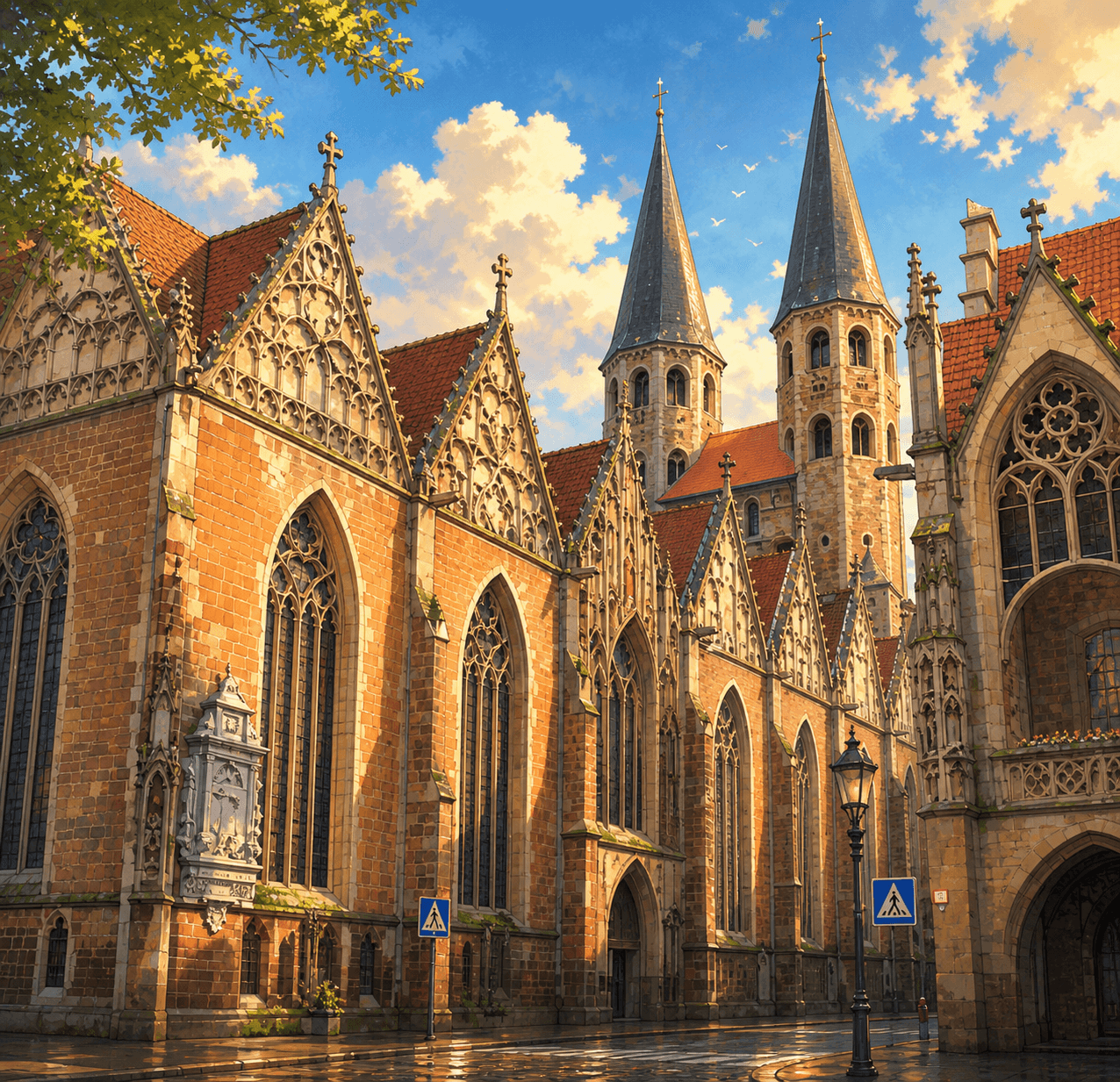
March 2026 in Braunschweig was marked by investments in infrastructure, new financing models, and social projects. Here are the most important developments in brief.
Changes with Future Potential
What was important this month
- Finance & Personnel: The Committee for Finance, Personnel, and Digitization approved unplanned and extraordinary payments to associations and addressed personnel planning.
- Green Infrastructure: The Environmental and Green Space Committee approved measures for the renewal of paths and playgrounds, as well as the replanting of felled trees.
- Mobility & Winter Services: In the Mobility Committee, changes to the Regiobus network were decided and improvements to winter services were pursued.
- Youth Welfare & Integration: The Youth Welfare Committee supported projects for young refugees and provided subsidies for childcare services.
- City Council & Districts: The City Council approved a Women's City Plan and enhanced information for recreational vehicle tourism, while district councils introduced local improvements and renovations.
Clarity in Financial Planning
March began with a clear decision regarding financial planning. The Committee for Finance, Personnel, and Digitization approved unplanned funds amounting to 75,000 euros, with 45,000 euros going to the DLRG and 30,000 euros to the association POLDEH from the contingency reserve. This decision shows how flexibly the city can handle limited resources – and where investments in social and cultural offerings are prioritized.
In addition, a block on the staffing plan for 2025 was lifted to free up a position for the youth refugee support service. This is another step to strengthen the integration of young refugees in Braunschweig.
Green Impulses for the City
The Environmental and Green Space Committees set clear impulses in March 2026 for more green space in the city. The renewal of the path system in Bürgerpark with a budget of 590,000 euros was approved. Here, the city benefits from a grant from Lower Saxony covering one-third of the total costs. In addition, the administration plans to replant felled trees, sending an important signal for sustainability and biodiversity.
Future-oriented thinking is also evident in the planning of playgrounds and green spaces. For example, part of the playground in Theaterpark will be redesigned to meet the needs of the younger generation.
Redefining Mobility
In the area of mobility, there were several decisive changes in March 2026. The Committee for Mobility, Civil Engineering, and Contracting decided on new frequency directions in the Regiobus network: Line 421 will now run every 60 minutes, and Line 434 will be reinforced. The financing of these lines is a joint effort between the city, the region, and BSVG.
In addition, winter services in Braunschweig are being optimized. The administration will evaluate with ALBA Braunschweig GmbH whether an additional snow removal and salting plan, as well as a doubling of staff, is feasible – a step that is particularly important for cyclists and pedestrians.
Integration and Youth Welfare in the Spotlight
The Youth Welfare Committee actively worked on the integration of young refugees in March. A new integration course was approved, covering topics such as asylum law, health, and democracy. In addition, concrete subsidies were granted to independent youth welfare providers, including the Kinderhaus Brunsviga and the Kinder- und Teenyklub Broitzemer Straße.
These investments show that Braunschweig acts sustainably not only on a financial level, but also on a social one. Integration and education are central levers in this process.
Local Politics in Action
The district councils remained active in March and set local impulses. In various city districts, urgent motions regarding street repairs, lighting of cycle paths, and damage repair were addressed. In addition, smaller projects such as the installation of stumbling stones or the support of community centers were financially approved.
These decisions show how important local politics is – it brings improvements that are directly noticeable in the daily lives of citizens.
Between Investment and Prioritization
An important theme that repeatedly emerged in March is the balance between investments and limited resources. On one hand, projects such as the Women's City Plan or the renovation of Bürgerpark were approved; on the other hand, priorities had to be set – for example, in the financing of the Regiobus network, where a clear funding gap exists.
The development of the Women's City Plan also showed how politics and culture are interconnected. The plan, which is to be completed by the Day of Lower Saxony, is not only a cultural milestone, but also a signal for equality and remembrance.
Conclusion and Outlook
March 2026 in Braunschweig was characterized by investments in social, green, and infrastructure projects. The city is tackling challenges in the areas of mobility, finance, and integration with practical solutions. In addition, it shows that political decisions can also have a measurable impact on citizens' lives at the local level.
April will be interesting to see how the implemented measures perform in practice. In addition, the planning of the Women's City Plan and possible expansions of green infrastructure are to be observed. Braunschweig proves that politics is not only administration – but a central component for a liveable future.
NeoSearch analyses public council documents, committee minutes and municipal announcements. Source references appear automatically once verified meeting data is available.
What does this mean for businesses?
Municipal council decisions are early indicators: following the council agenda surfaces projects and tenders months before the official award — before they ever reach the procurement portals.
Track similar decisions in your region
Set up monitoring for Finance and Budget in Niedersachsen — prefilled from this article.
Set up monitoring →More signals from Braunschweig
Education Policy in Braunschweig: Digitalization, Full-Day Schools, and Energy Efficiency in April 2026
In April 2026, Braunschweig focused on a range of educational policy topics. The School Committee discussed the implementation of the legal entitlement to full-day school care, the digitalization of schools through state-wide available devices, and the development of energy efficiency in school buildings. An overview.
Read more → Health Policy in Braunschweig: Challenges in April 2026
In April 2026, Braunschweig saw decisive discussions in the health sector, focusing on demographic change, recruitment of care staff, and the future of day care services. This deep dive analyzes the background, decisions, and impacts of these political measures.
Read more → Daycare Centers in Braunschweig: Staff Shortages and Care Gaps in Focus
In April 2026, the dramatic care gaps in Braunschweig’s daycare centers became the focus. Parents report significant undercoverage, severely impacting daily routines. How is the city responding, and what solutions are on the horizon?
Read more →