Culture and Community in Braunschweig: Focus on Projects, Remembrance, and Artistic Futures
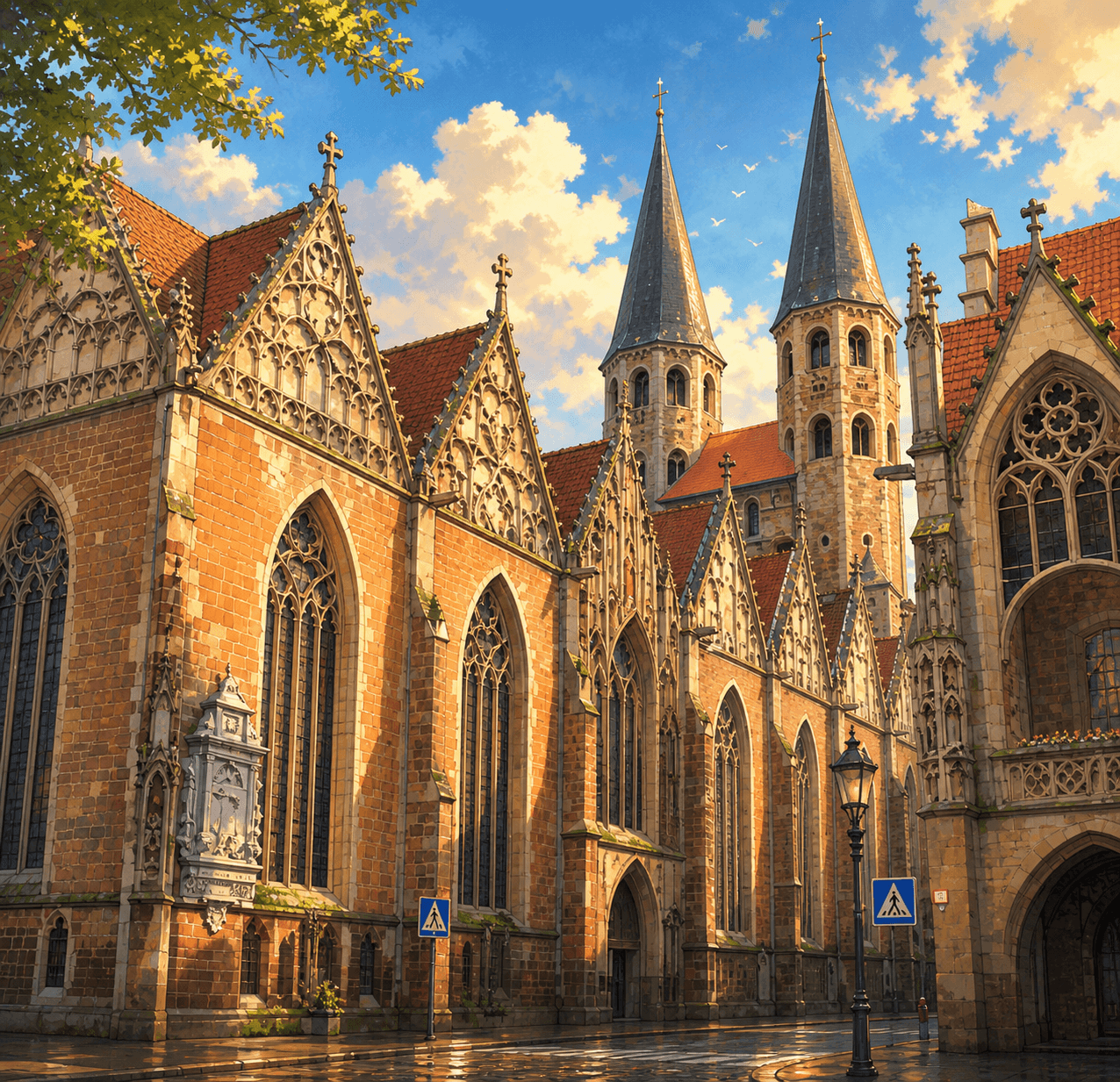
In February 2026, Braunschweig saw several significant decisions in the field of culture and community. Alongside the promotion of cultural initiatives, the city also deepened its culture of remembrance—most notably through the "Stolpersteine 2026" project. Additionally, the city engaged with the artistic work of photographer Käthe Buchler and plans an exhibition dedicated to her oeuvre.
Cultural Policy in Motion: Braunschweig Plans for 2026
Culture and community in Braunschweig are not just topics but also areas of action that were significantly advanced in February 2026. Numerous meetings, projects, and cultural initiatives demonstrate how diverse and future-oriented the city's cultural policy agenda is. Particular focus was on artistic support and culture of remembrance—two themes whose interplay proves especially enlightening.
Project Support and Cultural Diversity
On 19 February 2026, the Committee for Culture and Science made important decisions regarding project funding. Applications for subsidies of over 5,000 euros for the first half of 2026 were discussed—a central mechanism for strengthening cultural diversity and local initiatives. In particular, the youth art school buntich e.V. presented its current priorities, highlighting how strongly Braunschweig is committed to the creative education of young people. Such funding helps ensure cultural participation and artistic development in the region.
Moreover, the transparency of the processes is remarkable: agendas, attachments, and resolutions are publicly accessible, which fosters citizen participation and makes cultural policy comprehensible.
Käthe Buchler: A Remembered Artist
Another pillar of Braunschweig's cultural policy is the engagement with regional cultural histories. In February, a proposal to name a square after the photographer Käthe Buchler was discussed—a project of great cultural and symbolic significance. On the occasion of her 150th birthday, the city of Braunschweig plans a comprehensive exhibition at the Museum for Photography Braunschweig (October–December 2026), highlighting her work and her artistic significance.
The special exhibition will also be linked to the theme "Waste Becomes Art"—a creative connection between sustainability and artistic engagement. In addition, workshops and portrait exhibitions are planned as part of the Waste Collection Day, combining the strengthening of sustainability with cultural commitment.
Playground and Remembrance: Culture in Urban Development
Beyond the museum and artistic level, Braunschweig also engaged with cultural and social infrastructure. An example is the partial redesign of the playground in the Theater Park, which was decided in February. The sandbox area and adjacent spaces (300 m²) will be redesigned—not only for safety and renewal, but also as a creative play area designed as an "interactive orchestra." This concept promotes not only motor development, but also social interaction and artistic imagination in children.
At the same time, the project "Stolpersteine 2026," which creates remembrance for the victims of National Socialism in Braunschweig, was advanced. The laying of Stolpersteine (tripping stones) in front of the property at Friedrich-Wilhelm-Platz 3 was decided—a project closely linked to the work of the Museum for Photography and the culture of remembrance.
Outlook: Culture as a Social Anchor
The decisions of February 2026 show how Braunschweig understands culture not only as an artistic expression, but also as a social responsibility. Whether through the support of creative youth projects, the engagement with regional cultural histories, or the remembrance of the NS past—cultural policy in Braunschweig is a central building block for identity, participation, and future viability.
In the coming months, it will be particularly exciting to follow the exhibition on Käthe Buchler at the Museum for Photography Braunschweig as well as to observe the redesign of the Theater Park playground. These projects underline how culture and community in Braunschweig go hand in hand—and how they play a central role in urban development.
NeoSearch analyses public council documents, committee minutes and municipal announcements. Source references appear automatically once verified meeting data is available.
What does this mean for businesses?
Municipal council decisions are early indicators: following the council agenda surfaces projects and tenders months before the official award — before they ever reach the procurement portals.
Track similar decisions in your region
Set up monitoring for Culture and Community in Niedersachsen — prefilled from this article.
Set up monitoring →More signals from Braunschweig
Education Policy in Braunschweig: Digitalization, Full-Day Schools, and Energy Efficiency in April 2026
In April 2026, Braunschweig focused on a range of educational policy topics. The School Committee discussed the implementation of the legal entitlement to full-day school care, the digitalization of schools through state-wide available devices, and the development of energy efficiency in school buildings. An overview.
Read more → Health Policy in Braunschweig: Challenges in April 2026
In April 2026, Braunschweig saw decisive discussions in the health sector, focusing on demographic change, recruitment of care staff, and the future of day care services. This deep dive analyzes the background, decisions, and impacts of these political measures.
Read more → Daycare Centers in Braunschweig: Staff Shortages and Care Gaps in Focus
In April 2026, the dramatic care gaps in Braunschweig’s daycare centers became the focus. Parents report significant undercoverage, severely impacting daily routines. How is the city responding, and what solutions are on the horizon?
Read more →