Governance and Administration in Braunschweig – Structure, Decisions, and Future
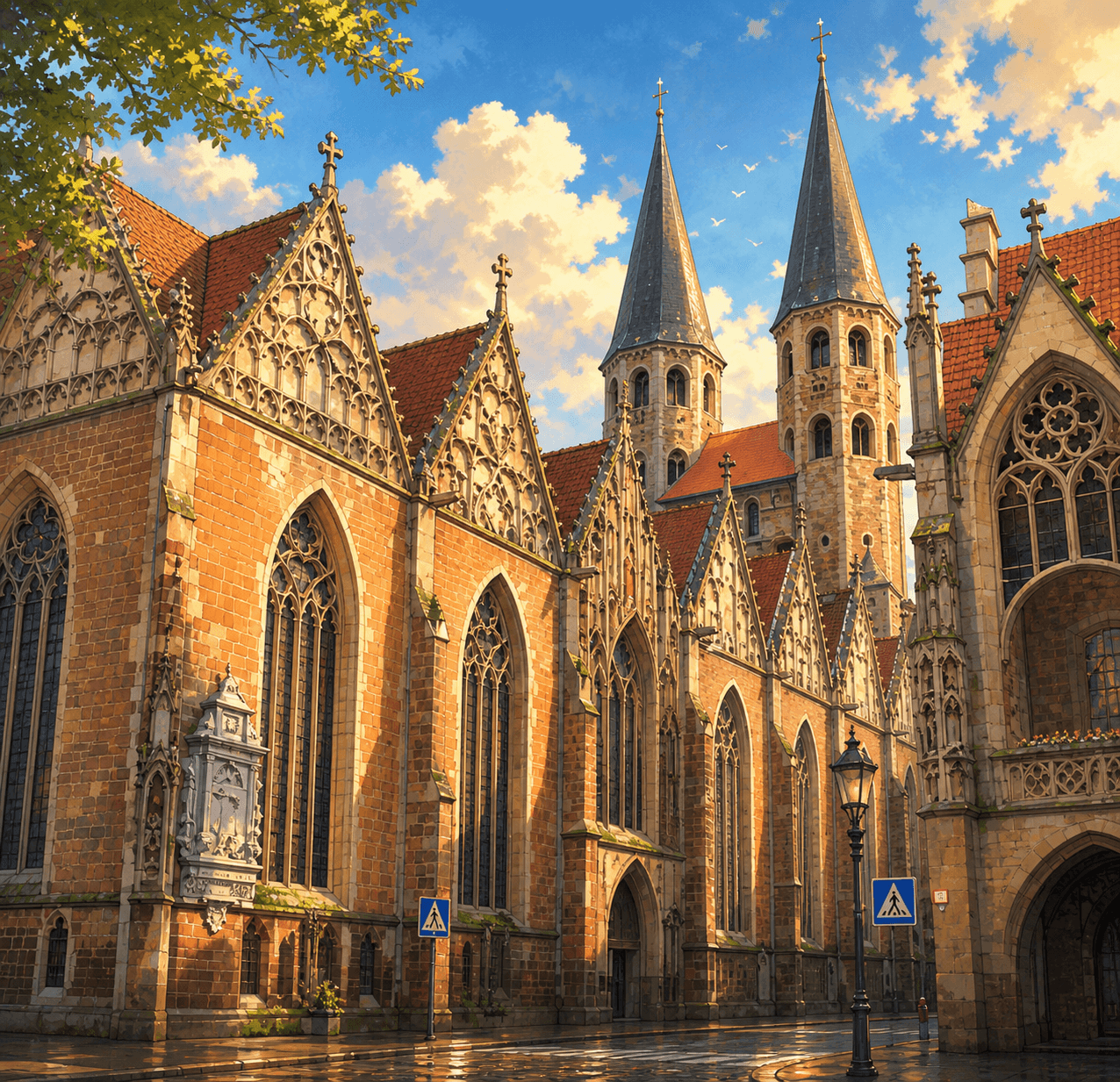
In February 2026, Braunschweig saw the focus shift to numerous administrative decisions and governance topics. From council member reassignments to security measures and financial adjustments, the month delivered clear impulses for the city administration and its future tasks.
Governance and Administration in Braunschweig – Structure, Decisions, and Future
The city administration in Braunschweig is a central institution that not only manages the daily operations of the city but also shapes long-term developments. In February 2026, it was making several significant decisions with both structural and financial implications.
Council Structure and Legal Framework: Changes and Challenges
In February 2026, several reassignments in committees were decided. Councilor Robert Glogowski took on new deputy roles, indicating a shift in the leadership structure. Additionally, changes were made to the basic mandate and advisory rights in accordance with the Lower Saxony Municipal Constitution Act (NKomVG). These adjustments reflect the ongoing adaptation to legal and administrative challenges in local politics.
The administration also dealt with the approval of the sale of municipal plots in the Hungerkamp industrial area to REVENTAL GmbH. This step is part of the city's strategy to utilize secondary plots more efficiently and attract investors. However, the long-term impact on urban development remains to be seen.
Security Policy: Expansion and Presence
Another central topic was the expansion of security in Braunschweig. The Council approved an increase in the presence of the Central Municipal Service (ZOD) and the introduction of gun-free zones—initially at Schlossplatz and Bo hlweg. Video surveillance in these areas has already been expanded, leading to a noticeable reduction in crimes. Additionally, security services in public transport and security patrols were approved to strengthen the sense of safety in the city.
These measures reflect the growing demand for more security, especially in public spaces. At the same time, the topic raises ethical and legal questions, particularly regarding the protection of privacy.
Finances and Budget Management: Investments and Savings
Several significant decisions were made within the budgetary framework. An approval of 150,000 euros for mobile vehicle barriers and 250,000 euros for POP UP playgrounds was granted. In addition, Braunschweig benefited from a state subsidy of 100,000 euros for temporary recreational and stay facilities in the city center.
An additional need of 310,000 euros was also approved for the repair of cycle paths, showing that the city is making greater efforts to improve infrastructure for cyclists. The remaining budget transfer of 71,888.40 euros from a previous project also signals a certain flexibility in financial planning.
Governance Debates: Legal and Administrative Tensions
The administration also faced legal and administrative debates. Discussions arose regarding who is responsible for the cleaning of municipal properties and whether school bus routes should have priority in winter road maintenance. Additionally, the responsibilities for the temporary installation of classroom containers were addressed, highlighting the complex administrative structure.
Another intriguing point was a query regarding the digitization of the fire station, which elicited contradictory statements. Such debates demonstrate the importance of transparency and consistent communication within the city administration.
Outlook: Governance 2026 and Beyond
The decisions of February 2026 show that Braunschweig remains active in governance on multiple levels. The city balances legal requirements, financial planning, and social responsibility. At the same time, it becomes clear that the city council and administration must work closely together to address future challenges—whether in the areas of security, integration, or infrastructure.
The monthly review also makes one thing clear: Governance and administration are not static structures, but dynamic processes that must constantly be adapted and further developed.
NeoSearch analyses public council documents, committee minutes and municipal announcements. Source references appear automatically once verified meeting data is available.
What does this mean for businesses?
Town halls, fire stations, depots and administrative buildings create early construction and refurbishment opportunities. Following council agendas reveals projects before they go to tender.
Track similar decisions in your region
Set up monitoring for public buildings & administration in Niedersachsen — prefilled from this article.
Set up monitoring →More signals from Braunschweig
Education Policy in Braunschweig: Digitalization, Full-Day Schools, and Energy Efficiency in April 2026
In April 2026, Braunschweig focused on a range of educational policy topics. The School Committee discussed the implementation of the legal entitlement to full-day school care, the digitalization of schools through state-wide available devices, and the development of energy efficiency in school buildings. An overview.
Read more → Health Policy in Braunschweig: Challenges in April 2026
In April 2026, Braunschweig saw decisive discussions in the health sector, focusing on demographic change, recruitment of care staff, and the future of day care services. This deep dive analyzes the background, decisions, and impacts of these political measures.
Read more → Daycare Centers in Braunschweig: Staff Shortages and Care Gaps in Focus
In April 2026, the dramatic care gaps in Braunschweig’s daycare centers became the focus. Parents report significant undercoverage, severely impacting daily routines. How is the city responding, and what solutions are on the horizon?
Read more →