Governance and Administration in Braunschweig: Decision-Making and Citizen-Oriented Structures in April 2026
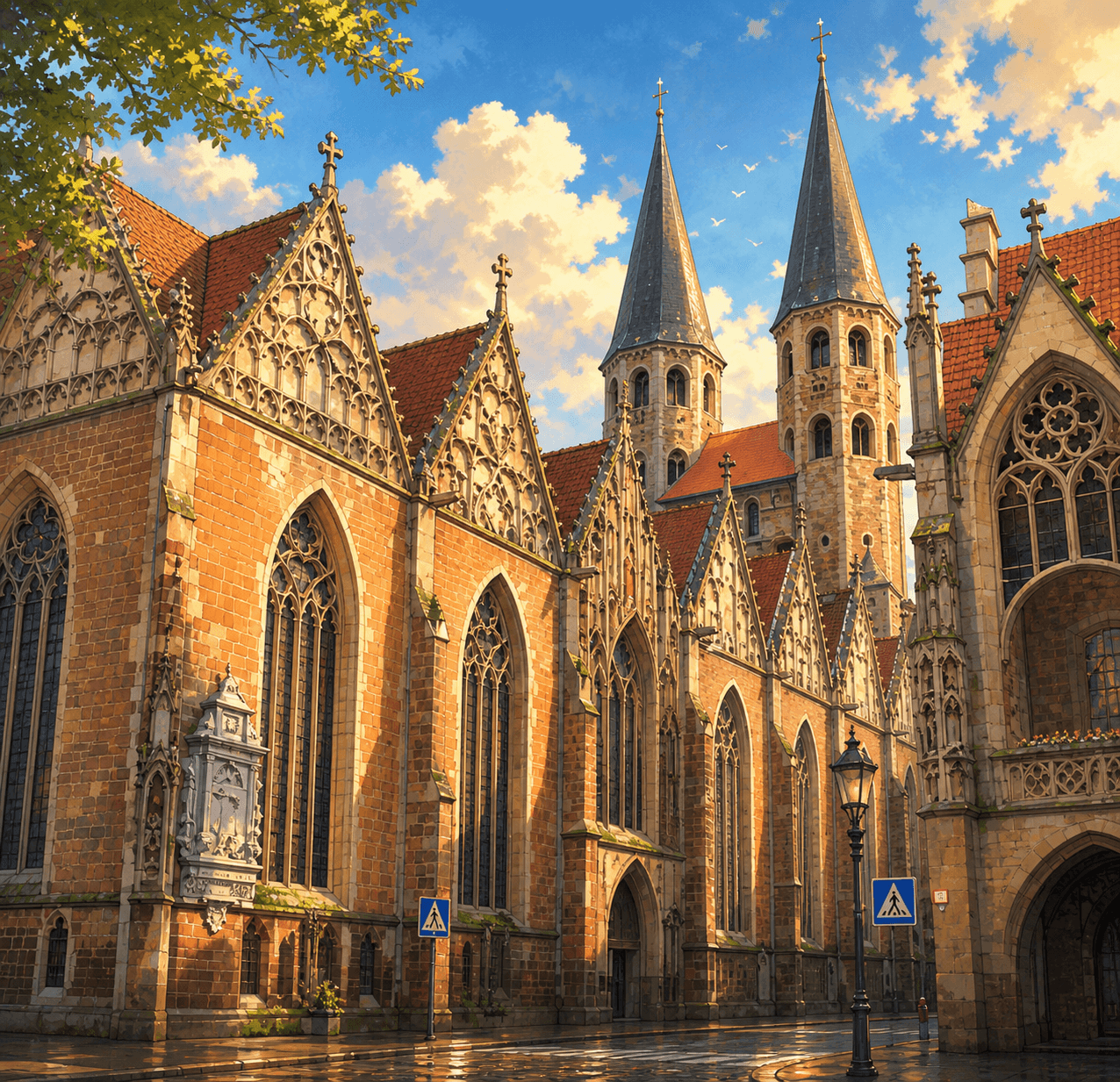
In April 2026, Braunschweig saw a number of key governance and administrative decisions. The district councils addressed protocols, budget planning, citizen participation, and infrastructure topics. This blog provides a detailed analysis of the most important developments.
Governance and Administration in Braunschweig: Decision-Making and Citizen-Oriented Structures in April 2026
The work of the district councils is a central component of municipal democracy in Braunschweig. In April 2026, several meetings were in focus, in which decisions were made regarding administration, budget planning, citizen participation, and infrastructure. These processes not only reflect the structure of local politics but also the diversity of concerns and interests of the population.
Decision-Making and the Structure of the District Councils
According to the municipal constitution of the state of Lower Saxony, the district councils are responsible for a wide range of topics, including the approval of budgets, the development of district-specific measures, and the review of administrative reports. In April 2026, important decisions were made in several districts that are of significant importance for local administration and the daily lives of citizens.
A central element was the approval of meeting protocols from previous sessions. For example, in District 111 Hondelage-Volkmarode and District 222 Südwest, the protocols from meetings in mid-February 2026 were reviewed and confirmed again. This practice underlines the transparency and accountability of local politics.
In addition, several districts, including 212 and 330, re-elected a mediator for the local conciliation authority. Mr. Wilfried Wöhler received the approval of the council members and will serve as a neutral party in disputes between tenants and landlords in the coming years. This process is subject to clear legal provisions, such as § 93 Abs. 1 Nr. 7 of the Nds. Kommunalverfassungsgesetz (Lower Saxony Municipal Constitution Act).
Budget Planning and Use of Funds
Another focus was on budget planning. In District 111, it was decided to allocate funds for road maintenance, building construction, green areas, schools, and furnishings. The council members emphasized that administrative and budget proposals merely serve as guidelines and are not binding. In District 212, more specific uses of funds were approved, including 3,213.70 € for furnishings at schools and 1,600 € for local libraries.
A controversial topic was the use of remaining budget funds, which can only be carried over for one year. This necessitates careful planning by council members and administration to avoid the expiration of funds. In this context, subsidies for associations such as the FFW Hondelage and the SC RW Volkmarode were also presented, highlighting the importance of civic engagement.
Citizen Participation and Digital Transformation
Citizen participation is a key element of governance in Braunschweig. In several districts, public question hours were held, during which citizens could directly present their concerns. For instance, in District 212, an SPD motion was introduced advocating for a digital occupancy overview of municipal community facilities. The goal is to optimize booking processes, reduce the burden on volunteers, and ease administrative tasks.
Another topic was digital transportation information, which was discussed in public discourse. The debate on digital communication channels and accessibility shows that the city of Braunschweig is actively engaging with the transformation of administration and emphasizing inclusivity and transparency in the process.
Infrastructure and Citizen-Oriented Action
In the area of infrastructure, several decisions were made that directly affect the lives of citizens. For example, a bike service station in Schapen was approved in District 111, funded by the district budget. Sponsorships like that of Uwe Ohlhafer illustrate how civic engagement influences local politics.
Other measures included the replacement of worn-out wooden benches at the youth area in District 321 or the construction of a calisthenics facility in the district of Lamme, each funded 50% by the district and other funds. These projects exemplify citizen-oriented action that shapes daily life in the districts.
Conclusion: Governance as a Central Component of Municipal Politics
The decisions made by the district councils in Braunschweig in April 2026 reflect a wide range of topics, from budget planning and citizen participation to infrastructure. The work of the councils is characterized by transparency, citizen-oriented action, and the inclusion of various actors – from political parties and civic initiatives to associations. In a period in which digital transformation and societal diversity are becoming increasingly important, governance in Braunschweig serves as a model for a modern, democratic municipality.
In the coming months, it will be particularly interesting to observe how the approved projects are implemented and which new topics enter the discussion – especially in the context of climate change, digitalization, and social integration.
NeoSearch analyses public council documents, committee minutes and municipal announcements. Source references appear automatically once verified meeting data is available.
What does this mean for businesses?
Town halls, fire stations, depots and administrative buildings create early construction and refurbishment opportunities. Following council agendas reveals projects before they go to tender.
Track similar decisions in your region
Set up monitoring for public buildings & administration in Niedersachsen — prefilled from this article.
Set up monitoring →More signals from Braunschweig
Education Policy in Braunschweig: Digitalization, Full-Day Schools, and Energy Efficiency in April 2026
In April 2026, Braunschweig focused on a range of educational policy topics. The School Committee discussed the implementation of the legal entitlement to full-day school care, the digitalization of schools through state-wide available devices, and the development of energy efficiency in school buildings. An overview.
Read more → Health Policy in Braunschweig: Challenges in April 2026
In April 2026, Braunschweig saw decisive discussions in the health sector, focusing on demographic change, recruitment of care staff, and the future of day care services. This deep dive analyzes the background, decisions, and impacts of these political measures.
Read more → Daycare Centers in Braunschweig: Staff Shortages and Care Gaps in Focus
In April 2026, the dramatic care gaps in Braunschweig’s daycare centers became the focus. Parents report significant undercoverage, severely impacting daily routines. How is the city responding, and what solutions are on the horizon?
Read more →