Braunschweig in the Focus of Climate Protection – Balance and Perspectives January 2026
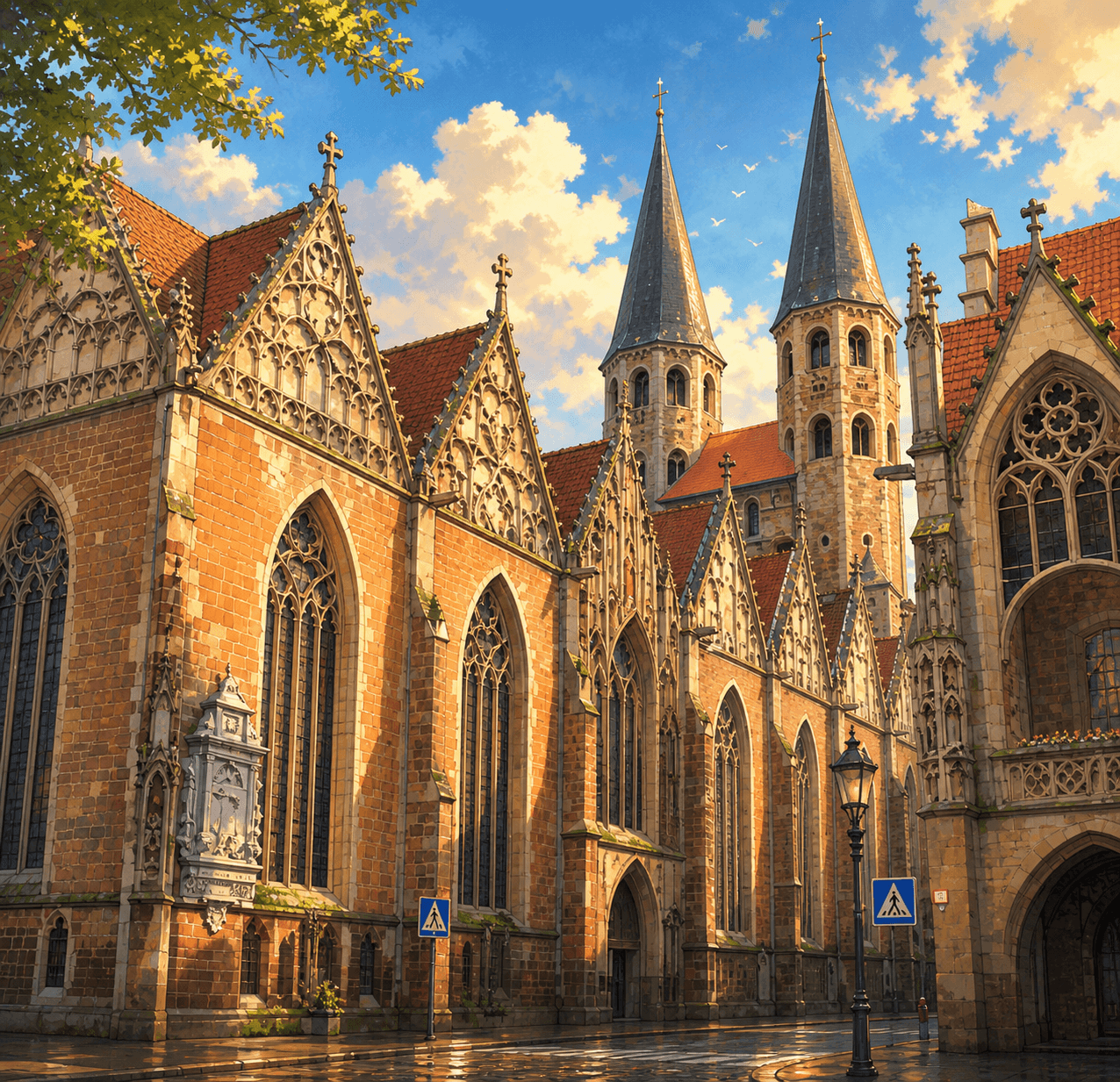
In the first week of January 2026, Braunschweig focused on climate protection, greening, and adaptation to climate change. Numerous projects and reports were presented in the Environmental and Green Spaces Committee, providing insights into the current status, challenges, and future course corrections. This blog post analyses the political decisions made, their backgrounds, and their potential impact on urban development.
Climate Protection and Greening: Achievements, Challenges, and Outlook
Braunschweig has established itself in recent years as a pioneer in the field of climate protection and sustainable urban development. In January 2026, numerous projects and reports were presented, highlighting the current situation and future perspectives. These covered a wide range of topics, from greening measures and climate adaptation to funding and public participation.
Climate-Friendly Greening and Adaptation to Climate Change
A central element of the city's climate protection policy is greening as a climate protection measure. The "Greening Measures to Compensate for Drought Damage" project serves as a prime example. With 1.7 million euros from the federal program "Adaptation of Urban Areas to Climate Change," 812 new trees were planted, including climate-adapted species. This measure not only supports biodiversity but also creates shaded areas and improves the microclimate in the city.
In addition, short-rotation plantations (KUP) were established, which not only bind CO₂ but also provide biomass. This biomass is converted into heat in Braunschweig's biomass power plants and fed into district heating networks. Overall, the project has been a success, although maintenance costs over the project period were not funded – a point that must be addressed in future projects.
Critical Projects and Adjustments in Climate Protection
Not all projects ran smoothly. For example, the moss walls from the "Integrated Climate Protection with Urban Greenery" project proved less effective than expected, and as a result, they will be removed in the second quarter of 2026. This illustrates that not every measure achieves the intended effect and that flexibility and a learning-oriented policy are essential.
Another example is the "LiViK – Living in Diversity in Times of Climate Change" project, implemented in the Emsviertel and Westpark areas. Funded with 5.1 million euros from the Natural Climate Protection Action Program, it supports biodiversity and climate adaptation. It is a long-term project running until 2029 and is exemplary for Braunschweig's commitment in climate protection policy. The involvement of the local population and the focus on education and sustainability make it particularly valuable.
Tree Felling, Replanting, and Invasive Weeds: Challenges in Urban Green Spaces
The city continues to face challenges due to climate change and its impact on urban vegetation. In 2025, 497 trees were felled, mainly due to fungal infestation and drought. The replanting efforts fell short of expectations – by the end of 2025, only 424 replacement trees had been planted. This shows that the sustainability of the city's green spaces is under pressure, and sustainable planning and long-term strategies are crucial.
Another issue is the spread of invasive weeds, which not only affects the city's appearance but can also impact traffic safety and structural preservation. The city is relying on manual control without the use of herbicides, which is environmentally friendly but also requires significant personnel and financial resources. Financial support from the Richard Borek Foundation is helpful in this regard, but more funding is needed.
Funding and Support: Grants, Foundations, and Climate Protection Partnerships
Funding for climate protection measures is a decisive factor. Braunschweig benefits from grants from federal programs, foundations, and local initiatives. The Richard Borek Foundation supports the invasive weed project with 55,000 euros, funding two seasonal positions. In addition, the city provides grants to environmental organizations, with a total of 20,316.28 euros available in 2026 for climate change adaptation projects.
Another example is the flood protection partnership Schunter and Wabe, in which Braunschweig is actively involved. The partnership promotes exchange and coordination in the field of flood protection and is an important instrument for climate adaptation in the region.
Outlook and Recommendations
Braunschweig has made significant progress in climate protection policy, but also faces challenges. Replanting efforts must be accelerated to compensate for the loss of urban green spaces. In addition, a long-term funding perspective for greening measures is necessary, as maintenance over the project period is often underfunded.
Another key focus must be the involvement of citizens. Projects such as "LiViK" or the tree sponsorship program show that an active inclusion of the population not only increases acceptance but also ensures the sustainability of the measures. Furthermore, stronger public relations through social media and events are required to raise awareness of the city's climate protection work.
Conclusion
Braunschweig has established itself as a pioneer in climate protection policy, with a wide range of projects and measures that combine innovation and sustainability. At the same time, it becomes clear that the challenges of climate change must not be underestimated. With a clear strategy, long-term funding, and strong citizen involvement, Braunschweig can continue to develop climate protection as a central component of urban development in the future.
NeoSearch analyses public council documents, committee minutes and municipal announcements. Source references appear automatically once verified meeting data is available.
What does this mean for businesses?
Municipal heat planning, photovoltaics and climate measures create early project indicators. Following council decisions surfaces sites and tenders before they are publicly advertised.
Track similar decisions in your region
Set up monitoring for environment & climate in Niedersachsen — prefilled from this article.
Set up monitoring →More signals from Braunschweig
Education Policy in Braunschweig: Digitalization, Full-Day Schools, and Energy Efficiency in April 2026
In April 2026, Braunschweig focused on a range of educational policy topics. The School Committee discussed the implementation of the legal entitlement to full-day school care, the digitalization of schools through state-wide available devices, and the development of energy efficiency in school buildings. An overview.
Read more → Health Policy in Braunschweig: Challenges in April 2026
In April 2026, Braunschweig saw decisive discussions in the health sector, focusing on demographic change, recruitment of care staff, and the future of day care services. This deep dive analyzes the background, decisions, and impacts of these political measures.
Read more → Daycare Centers in Braunschweig: Staff Shortages and Care Gaps in Focus
In April 2026, the dramatic care gaps in Braunschweig’s daycare centers became the focus. Parents report significant undercoverage, severely impacting daily routines. How is the city responding, and what solutions are on the horizon?
Read more →