Braunschweig in the Financial Spotlight: Budget Decisions in April 2026
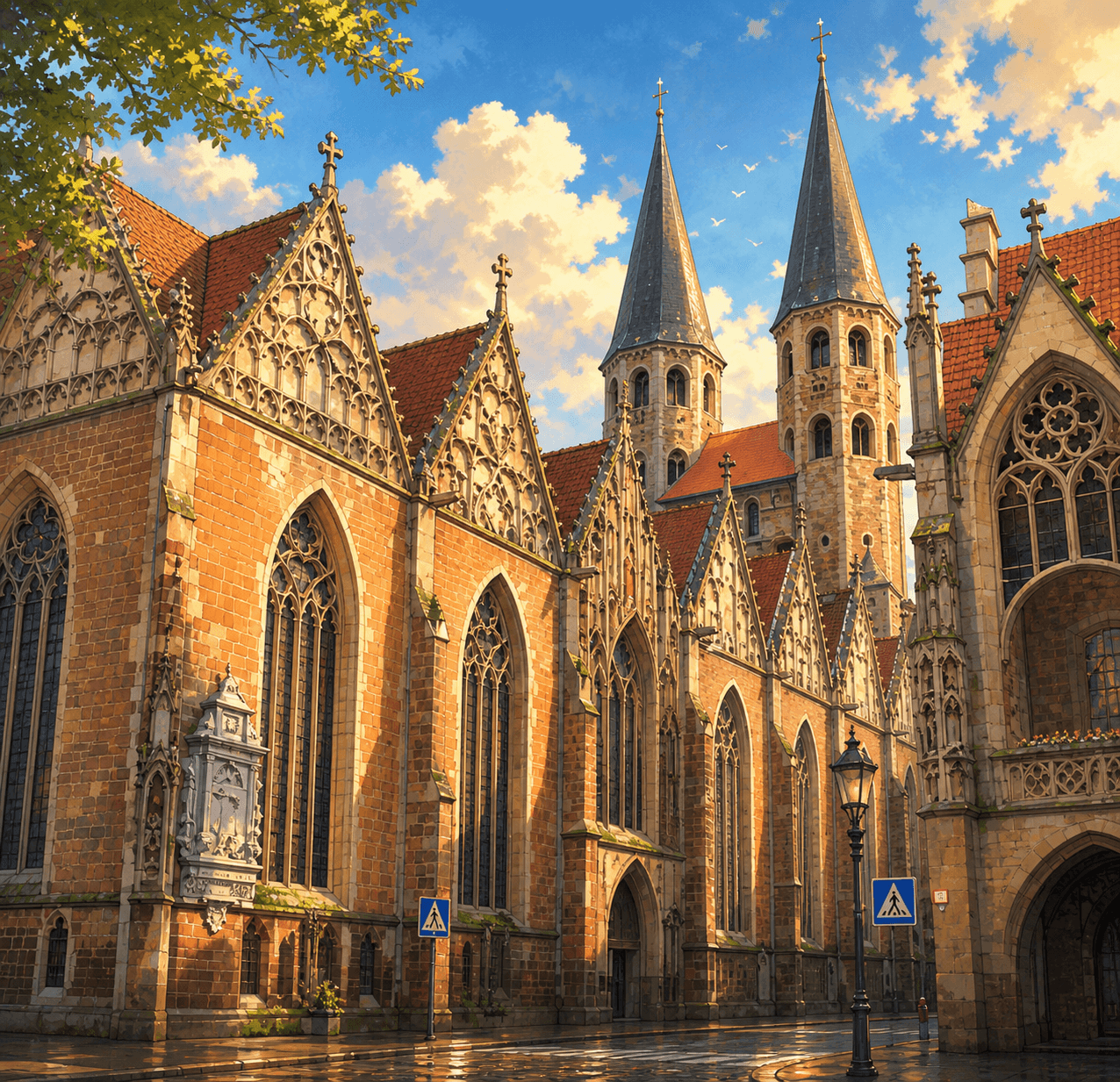
In April 2026, Braunschweig focused on key financial topics: from funding for culture and youth to the implementation of budget plans. An overview of the most important developments in the field of Finance and Budget.
Financial Policy in Braunschweig: Highlights from April 2026
April 2026 was a month of far-reaching decisions in the field of Finance and Budget in Braunschweig. Numerous meetings, resolutions, and discussions suggest that the city aims to use its financial resources strategically while maintaining sustainability and transparency. Below, we analyze the most important topics.
Funding for Culture and Youth: A Policy of Security and Needs-Based Allocation
In April 2026, a financial support of 5,000 euros was approved for the "Jubilee Weekend 850 Years Leiferde." The funding was granted based on the "Funding Guidelines of the City of Braunschweig for the Department of Culture," indicating that cultural policy in Braunschweig is systematically and bindingly managed. The funds come from the partial budget for Culture and Science (Department 41), which underlines that the city plans its cultural activities with financial security in mind.
In the field of youth funding, there was a clear development: the DGB Youth received no funding in 2026 because it did not meet the minimum number of activities (2,000 over three years). This shows that Braunschweig bases its youth funding not only on applications and wishes, but on measurable performance. Youth organizations continue to receive subsidies, but the criteria are increasingly aligned with results. The funding is based on average figures from the last three years and is either granted as a fixed amount or as deficit-based funding.
Implementation of the 2026 Budget: Transparency and Approval Procedures
The implementation of the 2026 budget was a central topic in the Committee for Finance, Personnel, and Digitization. Applications and approvals for over- and out-of-plan expenditures and payments were submitted and approved. According to §§ 117 and 119 (5) NKomVG, such approvals are necessary to allow financial flexibility without contradicting the budget security concepts.
In the meeting on April 30, 2026, 9 members of the council voted in favor of the approval, while two abstained. This indicates that the budget implementation is largely accepted, although some skepticism remains. Particularly notable is the discussion about the acceptance or mediation of donations between 100 and 2,000 euros. These decisions are of great importance to the city administration, as they are often project- or organization-specific and directly influence the municipal financial framework.
Personnel and Structure: Releases and Audits
Another focus was the release of freezes on planned positions for 2025 and 2026. For example, positions in the areas of training and birth and death registration were released to cover personnel needs. This is an indicator that Braunschweig is relying on flexibility in personnel matters and adapting structures to current needs.
In addition, Corinna Fleßel was appointed as an auditor in the Audit Office. Her responsibilities include the audit of Department 20 (Finance) and the coordination of the annual closing audit process. Her appointment was passed with an overwhelming majority (11 yes votes), indicating that the city has strong confidence in its financial audit structure.
Conclusion: A Year of Consolidation and Strategic Funding
April 2026 was a decisive month in Braunschweig, clearly outlining the city's financial policy. Culture and youth are supported, but the criteria for this support are becoming increasingly transparent and needs-based. The budget implementation is carefully managed, and personnel strategies are being made more flexible. At the same time, financial audits are being strengthened to ensure sustainability and accountability.
Looking ahead to 2027 and the planned dynamization of donations, it will be interesting to observe how Braunschweig continues to develop—financially stable, yet also creative and citizen-oriented.
NeoSearch analyses public council documents, committee minutes and municipal announcements. Source references appear automatically once verified meeting data is available.
What does this mean for businesses?
Municipal council decisions are early indicators: following the council agenda surfaces projects and tenders months before the official award — before they ever reach the procurement portals.
Track similar decisions in your region
Set up monitoring for Finance and Budget in Niedersachsen — prefilled from this article.
Set up monitoring →More signals from Braunschweig
Education Policy in Braunschweig: Digitalization, Full-Day Schools, and Energy Efficiency in April 2026
In April 2026, Braunschweig focused on a range of educational policy topics. The School Committee discussed the implementation of the legal entitlement to full-day school care, the digitalization of schools through state-wide available devices, and the development of energy efficiency in school buildings. An overview.
Read more → Health Policy in Braunschweig: Challenges in April 2026
In April 2026, Braunschweig saw decisive discussions in the health sector, focusing on demographic change, recruitment of care staff, and the future of day care services. This deep dive analyzes the background, decisions, and impacts of these political measures.
Read more → Daycare Centers in Braunschweig: Staff Shortages and Care Gaps in Focus
In April 2026, the dramatic care gaps in Braunschweig’s daycare centers became the focus. Parents report significant undercoverage, severely impacting daily routines. How is the city responding, and what solutions are on the horizon?
Read more →