Governance and Administration in Bassum: Plans, Decisions, and Debates in March 2026
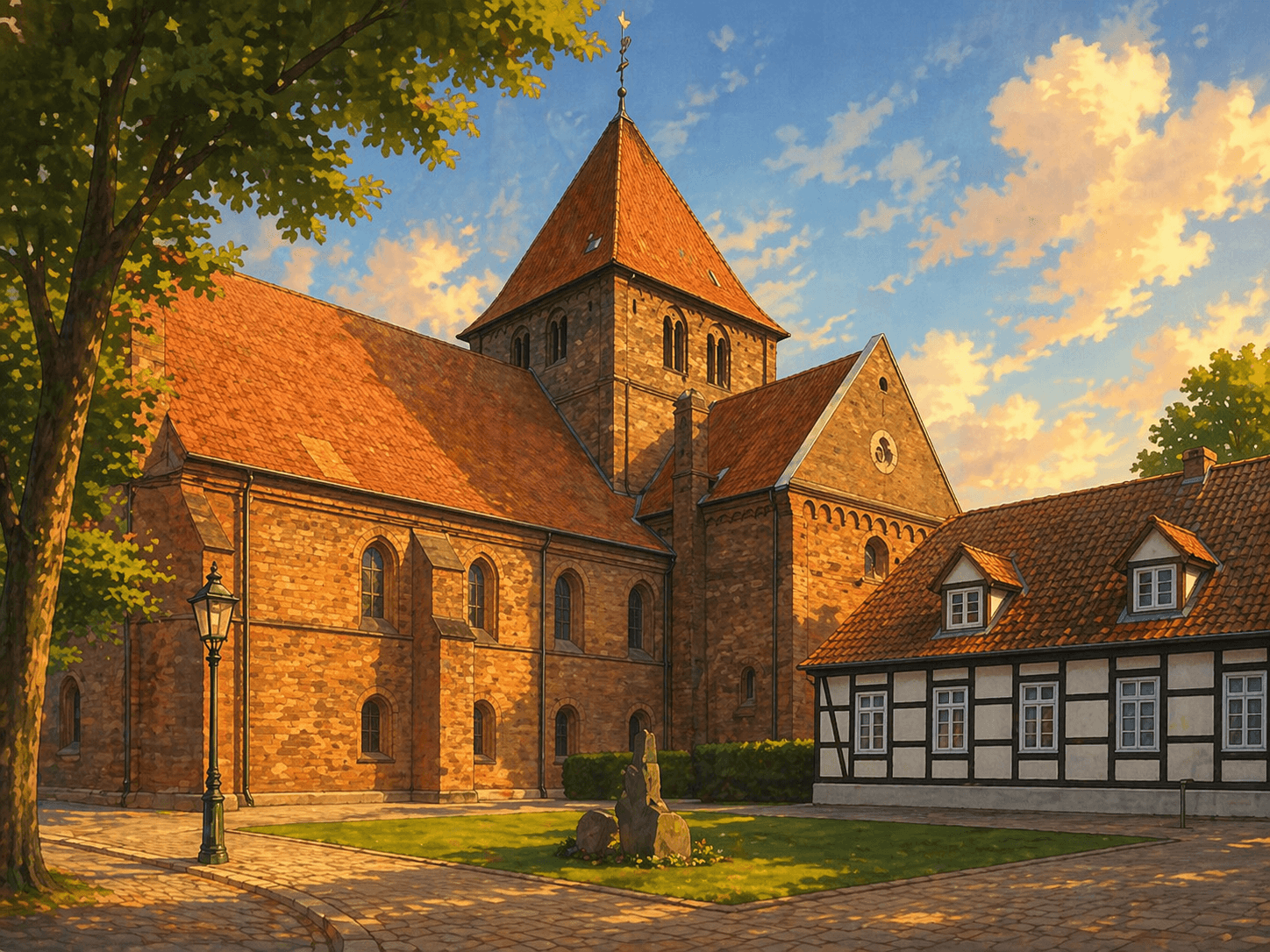
In March 2026, Bassum saw significant decisions in the areas of governance and administration. This in-depth blog analyzes the most important topics—ranging from appointments in the fire department to the controversially discussed amendment to the land-use plan.
Governance and Administration in Bassum: How Decisions Shape the Cityscape
The role of municipal administration is often in the background, yet it has a lasting impact on urban life. In March 2026, several central topics in the fields of governance and administration came to the forefront in Bassum, influencing both institutional structures and the city's future development.
Appointments in the Fire Department: Stability and Succession
One of the first focal points was the appointment of leadership figures in the Volunteer Fire Department. Carsten Schwemme was appointed as the local fire chief for six years, and Hilmar Albers was named honorary fire chief. In the Hallstedt local fire department, Robin Linz was appointed as deputy local fire chief. These appointments highlight the importance of long-term personnel planning in the fire department, which is based on voluntary commitment.
At the same time, interim positions were assigned, such as in the Apelstedt-Nienstedt local fire department, where Christian Wilkens, Maike Brunkhorst, and Julius Lehmkuhl were appointed to leading roles for periods of one to six years. This structure ensures continuity during a time when the challenge of securing new recruits in the fire department is becoming increasingly pressing.
Regulation on Poster Display: Rules for Public Space
Another topic of the council meeting was the adoption of a regulation on the display of posters on public streets. The regulation, among other things, stipulates that posters may be no larger than DIN A1 format and must be removed within seven days. The liability provisions and the financial implications of approximately 3,750 euros per year illustrate how the city of Bassum aims to consciously design and manage public space.
This regulation is part of a broader strategy to organize the urban structure while maintaining transparency—a delicate balance between civic participation and municipal regulation.
Land-Use Plan Amendment: Recycling, Environment, and Compromises
One of the most controversial topics was the 26th amendment to the land-use plan, which aims to allow the expansion of the recycling facility GAR. The goal is to designate additional storage and parking areas and to adapt the operation to new legal requirements.
The planned area is located within a priority zone for drinking water production and within the Ristedt protected area. The city has therefore planned comprehensive compensatory measures, including replacement reforestation and surface water drainage concepts. In addition, reports on emissions, noise, and odor have been commissioned.
Despite these measures, there were clear objections from environmental organizations such as BUND and NABU, who expressed concerns about landscape destruction and the loss of habitats. The district of Diepholz warned of potential overlaps with spatial planning goals. The city of Bassum, however, emphasizes the economic importance of the facility, particularly for the labor market and economic structure.
Climate Protection and Heating Planning: The Path to Climate Neutrality
In addition to land use, the municipal heating plan was also in the spotlight. With the goal of achieving climate-neutral heating by 2040, specific measures were presented: renovations, district-level analyses, and the promotion of heat pumps and solar thermal energy.
90% of the funding comes from federal sources, highlighting the importance of state support for municipal climate protection strategies. The communication strategy, which includes information events, flyers, and social media, demonstrates how Bassum is trying to involve citizens in this process.
Conclusion: Governance as a Delicate Balance
The decisions of March 2026 show how complex the tasks of municipal administration are. From the appointment of leaders to planning for the future, Bassum operates within a tension between tradition and innovation, between ecological goals and economic necessity.
The debates on land use and climate protection show that governance is not only about making decisions, but also about processes, transparency, and participation. What Bassum develops further on these topics in the coming months will significantly shape how the city looks in the next few decades.
NeoSearch analyses public council documents, committee minutes and municipal announcements. Source references appear automatically once verified meeting data is available.
What does this mean for businesses?
Town halls, fire stations, depots and administrative buildings create early construction and refurbishment opportunities. Following council agendas reveals projects before they go to tender.
Track similar decisions in your region
Set up monitoring for public buildings & administration in Niedersachsen — prefilled from this article.
Set up monitoring →More signals from Bassum
March 2026 in Bassum: Fire Safety, Energy, and Urban Planning in Focus
March in Bassum was marked by decisions in the areas of fire safety, energy planning, and urban planning. The city council meeting brought about important resolutions that will shape the city's future.
Read more → Urban Development and Construction Planning in Focus: Monthly Review February 2026
In February 2026, the Urban Development Committee intensely addressed land use plans, zoning plans, and environmental aspects. Here are the most important decisions and developments for the citizens of the city of Bassum.
Read more →
Leipzig: Realignment of Rental Relationships – The New Lease Agreement with Deutsche Post in Focus
In May and June 2026, a fundamental realignment of the city's rental relationships was at the center of attention in Leipzig – particularly the revision of the lease agreement between the city of Leipzig and Deutsche Post Immobilien GmbH at the agra Messepark location. This contract not only brings financial benefits but also a redistribution of duties and responsibilities.
Read more →