March 2026 – A Review of the Key Decisions in Stralsund
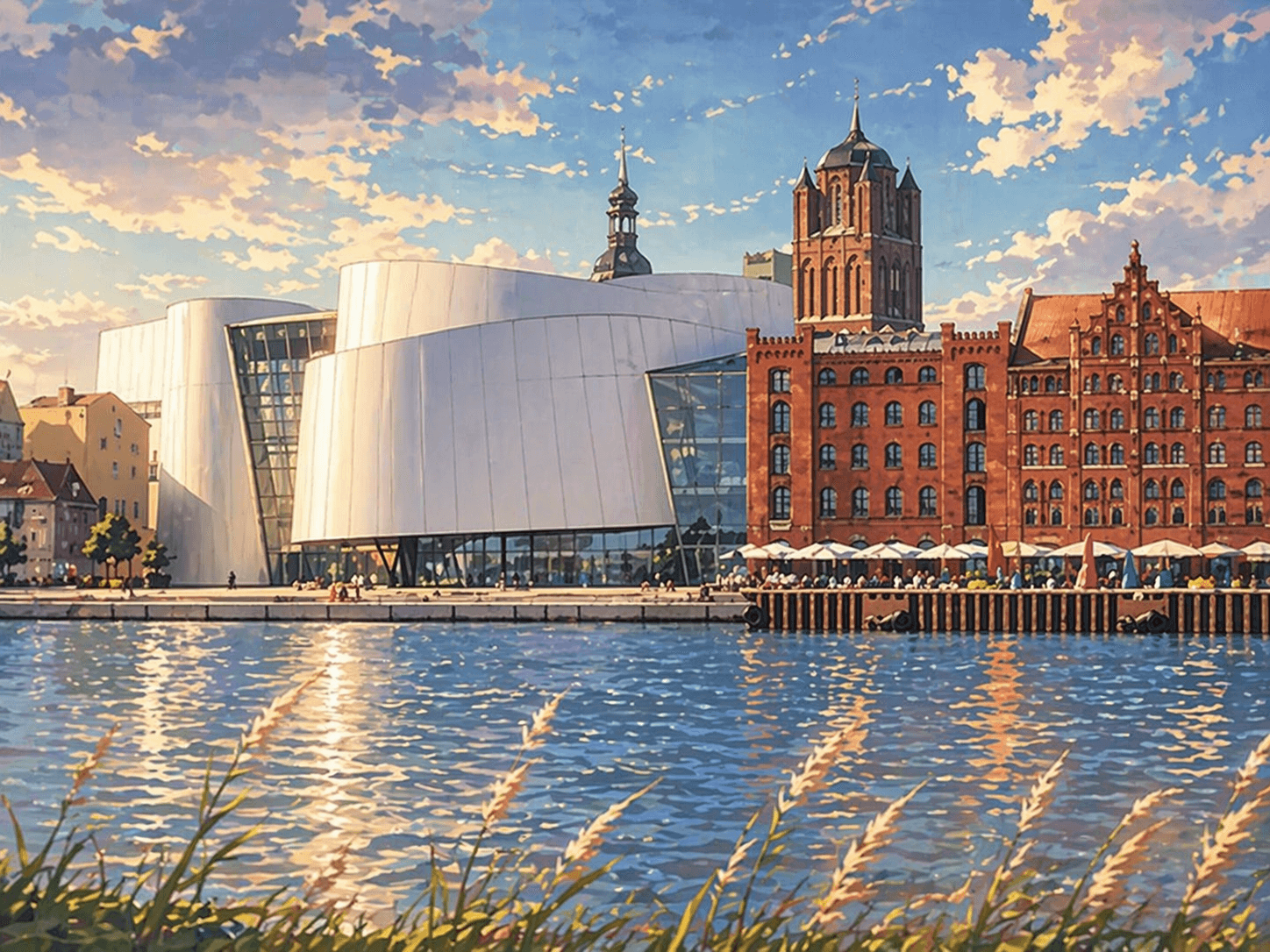
In this monthly review, we highlight the most important decisions and developments in Stralsund for March 2026. From the rent survey to youth participation – here are the central topics for the Hanseatic city.
Civic Participation and Future Visions
What was important this month
- Rent Survey 2026/2027: The rent survey was recommended – it helps tenants and landlords in evaluating rental apartments and rooms.
- New Parking Regulation: A flexible regulation for parking spaces was decided to better secure non-profit or particularly difficult cases.
- Youth Participation in Focus: The Committee for Youth and Leisure recommended a proposal for a Youth Advisory Council – an opportunity for more shared decision-making.
- Climate Protection and Heat Plan: The municipal heat plan was withdrawn – it will be more transparent and publicly accessible in the future.
- Old Town Safety: Safety in the Old Town remains a recurring topic – in March, specific proposals were submitted.
Youth Participation: The Path to a Youth Advisory Council
In March, youth policy and participation were in the spotlight. The Committee for Youth and Leisure unanimously recommended submitting a proposal for a Youth Advisory Council. This should be developed in cooperation with the administration and the responsible committee, creating an implementable concept with clear regulations regarding tasks, composition, and working methods. The administration has six months to prepare a concrete document.
This development marks a step toward stronger inclusion of young people from Stralsund in city development – a topic that is gaining increasing importance in discussions about the future of the Hanseatic city.
Rent Survey, Parking Spaces, and Fire Safety – What Matters for Residents
In March, the City Council made several decisions directly affecting residents' quality of life. The update of the rent survey was recommended, with the cost amounting to nearly 5,830 euros. The rent survey is an important tool for helping tenants and landlords evaluate rental prices – especially in a city like Stralsund, which is growing and changing.
Additionally, a new regulation for parking spaces was approved. It allows for the construction of parking spaces without a fee under certain conditions such as non-profit purposes or special hardship. This is particularly good news for residents with special needs or those engaged in volunteer work.
Lastly, topics like fire safety and winter services were discussed, with inquiries about snow removal on bike paths and winter damage to roads being raised. These discussions show how closely connected the city is to its citizens.
Climate Protection, Heat Plan, and Infrastructure
In March, the municipal heat plan was withdrawn – a decision that received criticism but also offers opportunities. The city has committed to making the plan more transparent and publicly accessible in the future. This is a step toward greater transparency and citizen participation in climate protection issues.
In the Committee for Construction, Environment, Climate Protection, and Urban Development, specific projects were also discussed, such as the renovation of Lindenstraße and the bike path connection between Alte Richtenberger and Alte Rostocker Straße. These projects are part of the long-term planning to make the city more accessible to all – pedestrians, cyclists, and residents alike.
Further Developments: Donations for the Zoo, Land Transactions, and More
In addition to the major topics, there were also smaller but equally relevant decisions. For example, the Main Committee decided to donate almost 5,095 euros to Stralsund Zoo. This is a symbol of support for local institutions and projects.
In the background, several land transactions and property redevelopments were also discussed – including the exchange of land plots in the Weidenkultur area and the sale of partial plots in the zoning plan 93 "SWS Energy Park". Such measures are often necessary to advance urban development – although they frequently take place in non-public settings.
What Remains?
March 2026 was marked by topics such as civic participation, climate protection, infrastructure, and transparency. The decisions show that Stralsund is not only focusing on economic development but also on social and ecological aspects.
The recommendation for a Youth Advisory Council is particularly noteworthy – it highlights that the city is looking to the future and wants to include young people more actively. At the same time, it remains sensitive to the needs of the current population, whether in terms of safety in the Old Town, snow removal, or the design of playgrounds.
Outlook: In April, the focus will be on implementing the approved initiatives – especially the development of the Youth Advisory Council and the update of the rent survey. The implementation of the heat plan and climate protection strategy will also be closely monitored. Stralsund is moving along a path that is not only economically, but also socially and ecologically sustainable.
NeoSearch analyses public council documents, committee minutes and municipal announcements. Source references appear automatically once verified meeting data is available.
What does this mean for businesses?
Town halls, fire stations, depots and administrative buildings create early construction and refurbishment opportunities. Following council agendas reveals projects before they go to tender.
Track similar decisions in your region
Set up monitoring for public buildings & administration in Mecklenburg-Vorpommern — prefilled from this article.
Set up monitoring →More signals from Stralsund
Sports Policy in Stralsund: Current Developments and Challenges in April 2026
Sport is in the spotlight in Stralsund – with investments in new facilities, the fight against vandalism, and the use of funding programs. The Sports Committee made important decisions and discussions in April 2026.
Read more → Stralsund in April 2026: Deep Dive into Urban Development and Construction Planning
In April 2026, Stralsund is characterized by a wide range of urban and construction projects that affect housing, commercial development, and energy infrastructure. The focus lies on the implementation of zoning plans, the construction of residential buildings, and the modernization of the maritime industrial area.
Read more → Education Policy in Stralsund: Focus on the University and School Situation in April 2026
In April 2026, Stralsund saw important decisions and updates in the field of education. The Committee for Education, Higher Education, and Digitalization discussed the future of the university and recent developments at the Ernst-von-Haselberg School as well as the 2026 school enrollments.
Read more →