Rostock's TRAM WEST – How a Tram is Transforming Urban Mobility
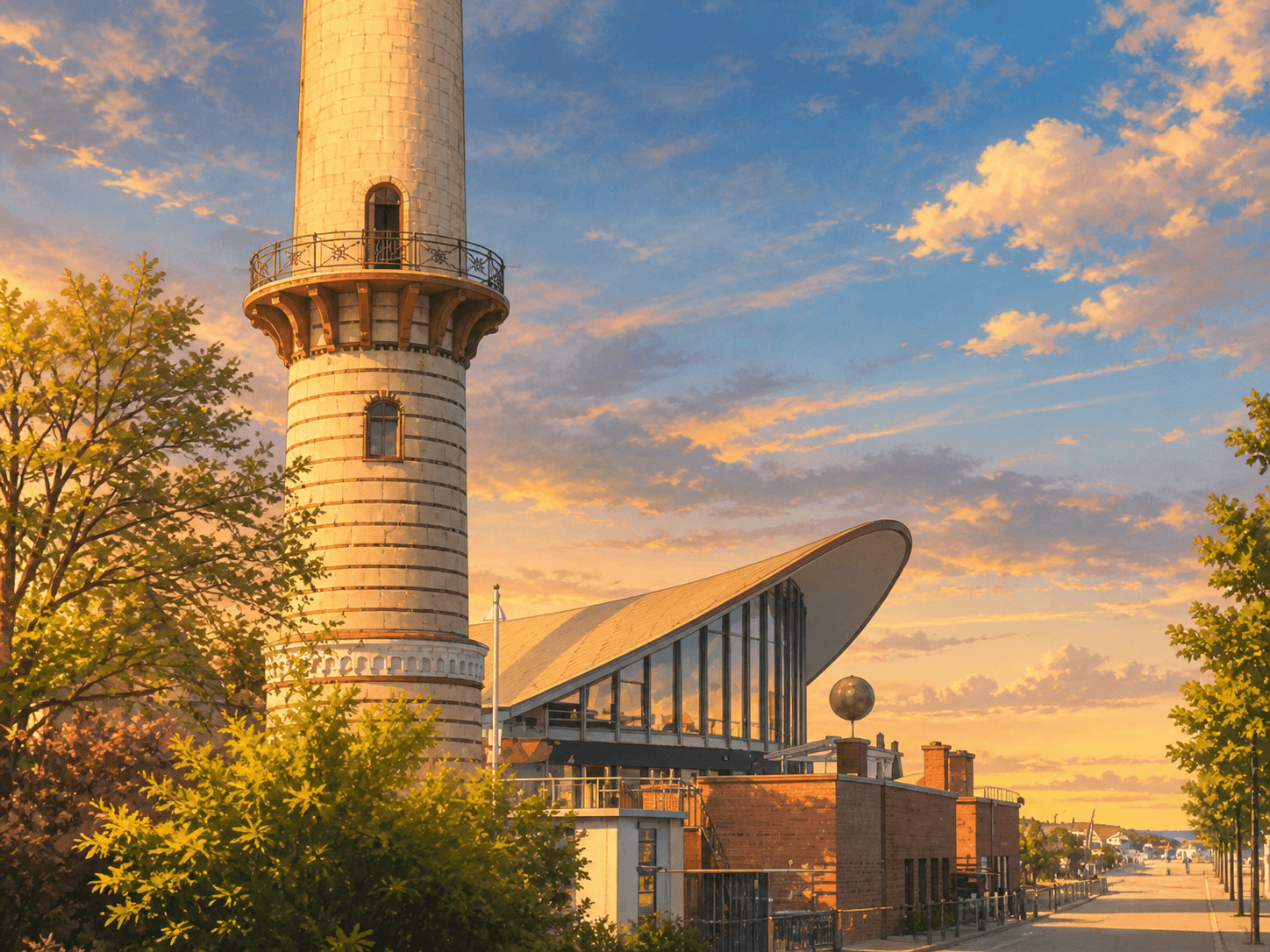
With the TRAM WEST project, Rostock is setting a milestone in its transportation policy. The new tram line connects northwestern districts with the city center and aims to improve both the climate and mobility. Key steps were taken in February 2026 – an overview and outlook.
TRAM WEST: A Tram for Rostock’s Future
Rostock’s transportation policy is in motion. With the TRAM WEST project, a new tram line that connects northwestern districts with the city center, the Hanseatic city is investing in sustainable mobility. In February 2026, important decisions were made in several sessions, bringing the implementation of the project closer. TRAM WEST is not only a transportation project, but a step toward a climate-friendly, traffic-safe, and livable city.
Funding and Support – How is TRAM WEST Paid For?
The total costs for TRAM WEST amount to 100 million euros, with the financing heavily relying on state support. 75 percent of the costs (67.5 million euros) are covered by federal funds from the law on the promotion of municipal infrastructure development (GVFG). In addition, up to 15 percent (13.5 million euros) can be funded by state funds from Mecklenburg-Western Pomerania. The share of the Rostocker Straßenbahn AG (RSAG) is a maximum of 32.5 million euros, to be financed through long-term loans.
A key advantage: The core budget of the city of Rostock will not be burdened by the project. Financing therefore does not rely on tax money, but on external support and loans. In addition, the RSAG expects cost savings – especially through the replacement of ten buses with the tram – amounting to 41.7 million euros over 30 years.
Climate and Environment – The Ecological Impact
TRAM WEST is a project explicitly committed to reducing motorized individual transport. The new tram line creates environmentally friendly connections between Reutershagen, the Zoo, the university hospital, and the city center. The rail connection not only avoids traffic jams, but also CO₂ emissions – about 850 tons of CO₂ are expected to be saved annually.
The environmental impact assessment is part of the design planning. Nevertheless, some questions remain open, particularly regarding noise protection, as the environmental report is still pending. In the western corridor, several trees have been cut down, including 200 along Barnstorfer Straße, while particularly protected trees such as the sweet chestnut and a row of maple trees are to remain.
In addition, tree planting and green tracks are planned to improve the microclimate and enrich the landscape. The integration of cycle paths and P+R (Park and Ride) parking spaces underlines the ecological approach of the planning.
Urban Planning and Local Supply – How is the Cityscape Changing?
TRAM WEST will not only change the transportation network, but also the cityscape. The new line will run on its own track, separate from motorized traffic, and will create new stops in Reutershagen, Zoopark, CJD school location, Westfriedhof, Bonhoefferstraße, and Reuterpassage. These stops are not only traffic hubs, but also central connections for local transport.
The Goerdelerstraße, a central street in the western part of Rostock, will be fundamentally renovated. New cycle and pedestrian paths, a left-turn lane, and roadside greenery will complement the project. The cycle expressway Schutow–City will be integrated into the route, further improving the link between individual and public transport.
P+R parking spaces along the route, such as at Groß Schwaßer Weg, are intended to relieve commuter traffic. A feasibility study for this P+R site is already in planning.
Conclusion – A Tram for the Future
TRAM WEST is more than just a new connection in Rostock’s public transport network. It is an investment step in the future of the city, combining sustainability, climate protection, and mobility. With a clear financial concept, environmentally friendly solutions, and a strong focus on the needs of citizens, Rostock is sending an important signal.
The implementation of the project has reached key planning stages. The city council will vote on the construction decision, and the tender for the construction is planned for summer 2026. With TRAM WEST, Rostock will not only become more mobile, but also more resilient in dealing with traffic congestion and climatic challenges.
NeoSearch analyses public council documents, committee minutes and municipal announcements. Source references appear automatically once verified meeting data is available.
What does this mean for businesses?
Municipal council decisions are early indicators: following the council agenda surfaces projects and tenders months before the official award — before they ever reach the procurement portals.
Track similar decisions in your region
Set up monitoring for Finance and Budget in Mecklenburg-Vorpommern — prefilled from this article.
Set up monitoring →More signals from Rostock
Opening Hours Ordinance and Touristic Development in Rostock – Spotlight on April 2026
In April 2026, the adjustment of the state opening hours ordinance was at the center of political debate in Rostock. The Tourism Committee intensely discussed how to better support retail in tourist areas. In addition, the updated structural concept for Warnemünde was presented.
Read more → Rostock Prioritizes Noise Reduction – The 4th Update of the Noise Action Plan
In April 2026, the Hanseatic and university city of Rostock approved the 4th update of its Noise Action Plan. The goal is to reduce noise exposure for residents and protect public health. The focus is on 60 identified noise hotspots and 30 proposed measures. This blog analyzes the background, decisions, and implications.
Read more → Youth Policy in Rostock: Decisions, Structures, and Perspectives in April 2026
In April 2026, Rostock focused on key decisions regarding youth support. The Youth Welfare Committee convened, elected new leadership, and adopted a guideline for the professional staffing of out-of-home youth support services. This deep dive shows how these decisions shape the future of youth promotion in the Hanseatic city.
Read more →