Rostock's Urban Development 2026: From New Museum Construction to Photovoltaics on Rail Tracks
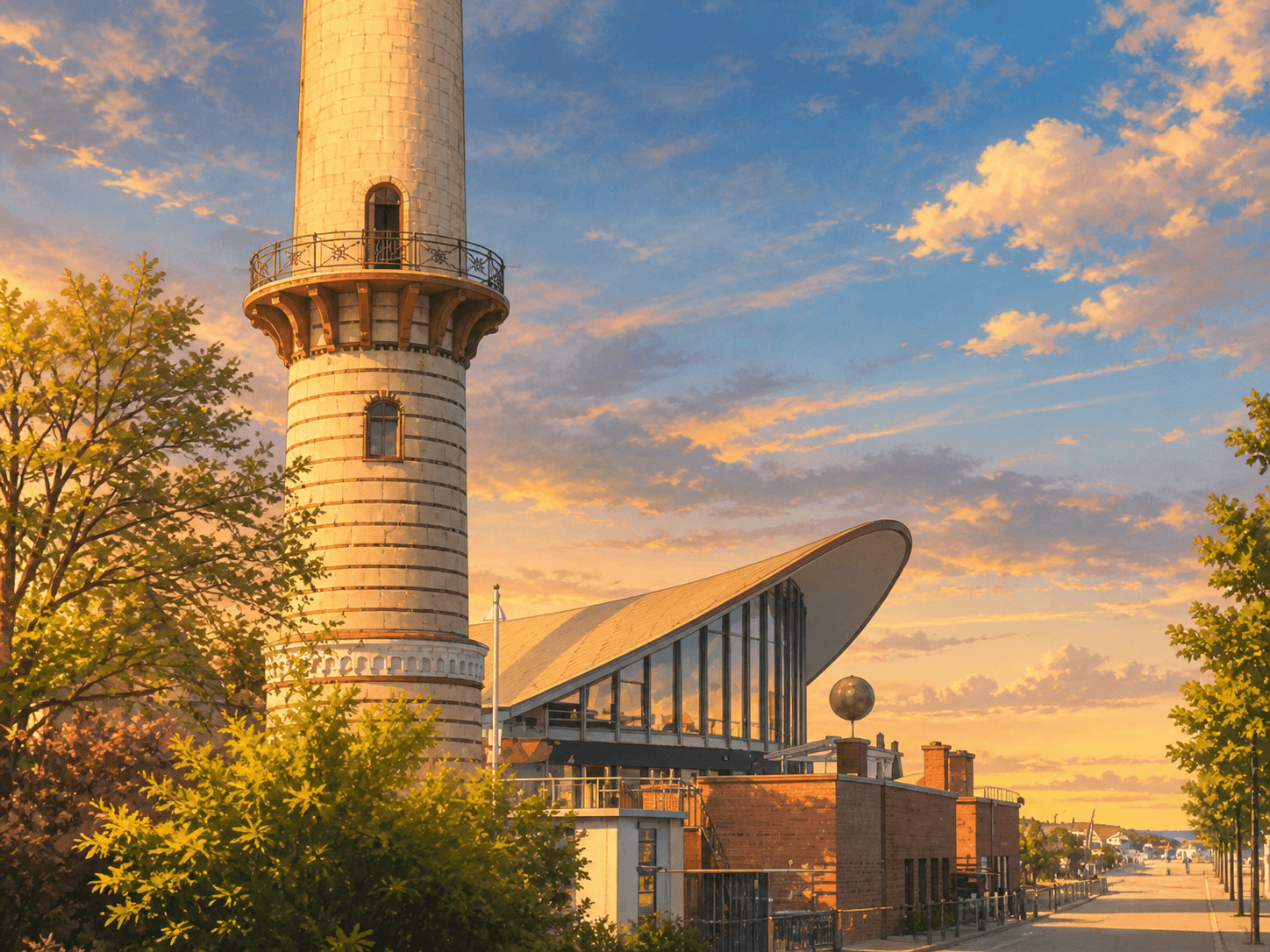
In April 2026, key urban development topics were in focus in Rostock. From the planning of a new museum location to the noise action plan and renewable energies on tram tracks – the city is moving toward a sustainable and livable future.
Rostock on Track: Urban Development and Sustainability in April 2026
Urban development in Rostock is in motion. In April 2026, several landmark decisions were made that will affect the city's urban design as well as its climatic and social future. From museums to noise reduction and electromobility – Rostock is focusing on integration, innovation, and sustainability.
Museum of the Future: New Location for the State Archaeological Museum
One of the largest urban projects is the planned construction of a new State Archaeological Museum. The current location in the Stadthafen area is being evaluated against an alternative at August-Bebel-Straße 1. Rostock is investing 15 million euros in the Stadthafen option, while the Societät-Region is being analyzed in terms of renovation needs, safety requirements, and land availability.
A change in location could reduce the city's long-term financial burden. However, no final decision has yet been made. Negotiations between the city and the state of Mecklenburg-Western Pomerania must be completed by the end of 2026, leaving a certain degree of uncertainty. Nevertheless, Rostock is ambitious in its goal to integrate culturally and economically valuable buildings into the urban fabric.
Noise Reduction as City Policy: The Fourth Noise Action Plan
Noise pollution in Rostock is a health-related issue that can no longer be ignored. The fourth Noise Action Plan (LAP) aims to reduce noise from road traffic and trams. Approximately 10,000 residents are affected by road traffic noise, and about 2,000 by tram traffic.
Measures such as low-noise asphalt, speed reductions, and noise barriers are being implemented. Priority is given to traffic space redesign on L22 and road surface repairs. A steering group is monitoring progress, and the plan is to be fully implemented by 2027. Although no direct financial impacts are projected, implementation is heavily dependent on the city's budget situation.
Urban Climate and Green Spaces: Trees in the Maßmannstraße
The preservation of trees in the Maßmannstraße is a pilot project within the Schwammstadt Rostock 2080 initiative. Although the 40 lindens were already planted in 1915 and now stand on parking lot areas, they are being preserved through soil aeration, protection from vehicles, and other measures. With a cost of approximately 99,000 euros from the Urban Tree Fund, the project not only advances an urban development initiative but also sets a sign for climate adaptation.
Sustainable Energy: Photovoltaics on Tram Tracks
An innovative project that could catapult Rostock into the future of renewable energy is the evaluation of photovoltaic systems on unused tram track areas of the RSAG. The goal is to generate electricity without competing for land. The pilot project, inspired by Swiss examples, will be evaluated by the end of 2026. Collaboration with start-ups such as Sun-Ways and the RSAG itself is crucial to its success – and could position Rostock as a pioneer in municipal energy policy.
Future of Urban Development: Sports Planning and Neighborhood Development
The new integrated sports development plan is a milestone in the city's urban strategy. Based on a study by the Institute for Sports Science (INSPO), the focus is on offering structures, communication networks, and spatial infrastructure. The plan, updated every ten years, is an instrument to design sports facilities in a demand-oriented and sustainable manner.
In addition, a mixed-use development with a swimming hall, housing, and commercial facilities is being planned in the Hamburger Tor district. The ice rink is being excluded due to urban and economic reasons – but the perspective of an urban center remains intact.
Conclusion: Rostock as a Model City for Sustainable Development
April 2026 has shown that Rostock is on the right track not only in urban planning but also socially and ecologically. From cultural sites to green spaces and energy supply, the city is guided by a clear goal: to build a livable, sustainable, and future-ready city. The challenges are great, but the direction has been set – and Rostock is moving in the right direction.
NeoSearch analyses public council documents, committee minutes and municipal announcements. Source references appear automatically once verified meeting data is available.
What does this mean for businesses?
Urban development, zoning plans and commercial settlements create early construction and supply opportunities. Following council decisions reveals projects before they go to tender.
Track similar decisions in your region
Set up monitoring for economic development in Mecklenburg-Vorpommern — prefilled from this article.
Set up monitoring →More signals from Rostock
Opening Hours Ordinance and Touristic Development in Rostock – Spotlight on April 2026
In April 2026, the adjustment of the state opening hours ordinance was at the center of political debate in Rostock. The Tourism Committee intensely discussed how to better support retail in tourist areas. In addition, the updated structural concept for Warnemünde was presented.
Read more → Rostock Prioritizes Noise Reduction – The 4th Update of the Noise Action Plan
In April 2026, the Hanseatic and university city of Rostock approved the 4th update of its Noise Action Plan. The goal is to reduce noise exposure for residents and protect public health. The focus is on 60 identified noise hotspots and 30 proposed measures. This blog analyzes the background, decisions, and implications.
Read more → Youth Policy in Rostock: Decisions, Structures, and Perspectives in April 2026
In April 2026, Rostock focused on key decisions regarding youth support. The Youth Welfare Committee convened, elected new leadership, and adopted a guideline for the professional staffing of out-of-home youth support services. This deep dive shows how these decisions shape the future of youth promotion in the Hanseatic city.
Read more →