Rostock's Climate and Nature Conservation Measures in March 2026
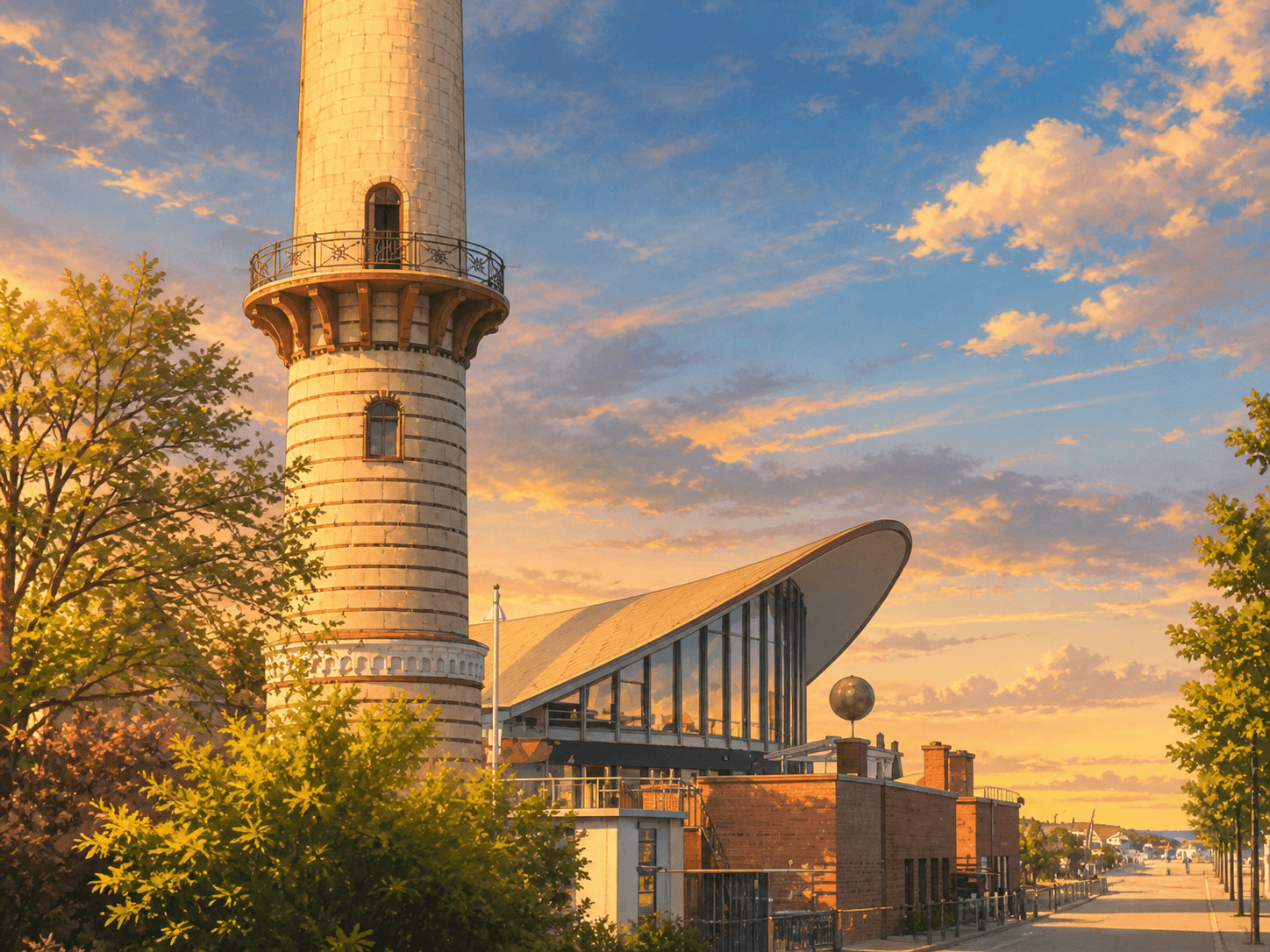
In March 2026, Rostock engaged intensively with climate and nature conservation topics. The focus was on biodiversity areas, natural climate protection strategies, and measures to improve the quality of life in the city.
Biodiversity Areas and Natural Climate Protection Strategies in Rostock
In March 2026, the city of Rostock intensified its efforts to create and maintain biodiversity areas. In particular, Hamburger Straße was highlighted as a central area for the development of nature-friendly green spaces. The goal is not only to strengthen biological diversity but also to create cool areas that serve as climate protection measures during rising temperatures, through wide sidewalks, green spaces, and park areas.
In addition, reference was made to the action program "Natural Climate Protection – Rural Areas" (2024–2028), which focuses on the restoration of ecosystems and the resilience of natural habitats. In this context, the interconnection of vegetation communities and the creation of stepping-stone biotopes are also being pursued to provide habitats for insects, birds, and small mammals.
Challenges in Area Maintenance
Due to the extensive areas that need to be maintained in Hamburger Straße and its surroundings, the city has decided to outsource the maintenance. Approximately 1,000 hectares of land cannot be managed without external support. This measure is necessary to ensure the long-term quality of green spaces and to promote biodiversity.
A particular challenge is also posed by the "trampled paths" caused by dog walkers, which have formed south and north of Hamburger Straße. The city does not plan to create new paths, but instead marks existing spots with mown paths to guide hikers and simultaneously protect the vegetation.
Integration into Urban Spaces: From Daycare Centers to Container Buildings
Another topic that played a role in Rostock's climate and environmental debates was the handling of urban buildings. For example, a mold problem was identified in the daycare area "Flotte Waldkäfer," which has already been resolved in the upper floor. A spore load measurement is currently underway in the ground floor. After the renovation, the rooms will be reopened.
Since the daycare area will be demolished by the end of the year, discussions are underway about whether the daycare children can be integrated into the adjacent kindergarten "Flotte Waldkäfer." However, the kindergarten management is skeptical, as capacity must be reserved for birth-intensive year groups.
As an alternative use, it is being examined whether space cells (container buildings) from Schmarl can be transported and used in Reutershagen. This could offer a flexible solution that is both ecologically and spatially sensible.
Traffic and Safety: Speed Limits and Green Strips
Climate and environmental aspects were also considered in the area of traffic and safety. In Goerdeler Straße, a speed limit of 30 km/h between 22:00 and 06:00 is being pursued to increase the safety of residents and at the same time reduce traffic noise.
In addition, it is being examined whether bollards can be installed in front of the RFZ (Regional Specialist Center) to restrict parking in a green strip. This project aims to improve safety for children crossing the street and at the same time protect the green area.
Forward Look: Tree Sponsorships and Edible City
As part of its climate and environmental strategy, Rostock is also relying on civic engagement. Reference is made to the topic of "tree sponsorship," in which citizens can maintain trees in the city. In addition, the initiative "Edible City" is being pursued further, which strengthens local food production and saves resources.
These projects show how closely environmental and climate policy are linked with social, ecological, and urban planning goals. With these measures, Rostock wants not only to mitigate the effects of climate change but also to improve the quality of life for its citizens in the long term.
NeoSearch analyses public council documents, committee minutes and municipal announcements. Source references appear automatically once verified meeting data is available.
What does this mean for businesses?
Municipal heat planning, photovoltaics and climate measures create early project indicators. Following council decisions surfaces sites and tenders before they are publicly advertised.
Track similar decisions in your region
Set up monitoring for environment & climate in Mecklenburg-Vorpommern — prefilled from this article.
Set up monitoring →More signals from Rostock
Opening Hours Ordinance and Touristic Development in Rostock – Spotlight on April 2026
In April 2026, the adjustment of the state opening hours ordinance was at the center of political debate in Rostock. The Tourism Committee intensely discussed how to better support retail in tourist areas. In addition, the updated structural concept for Warnemünde was presented.
Read more → Rostock Prioritizes Noise Reduction – The 4th Update of the Noise Action Plan
In April 2026, the Hanseatic and university city of Rostock approved the 4th update of its Noise Action Plan. The goal is to reduce noise exposure for residents and protect public health. The focus is on 60 identified noise hotspots and 30 proposed measures. This blog analyzes the background, decisions, and implications.
Read more → Youth Policy in Rostock: Decisions, Structures, and Perspectives in April 2026
In April 2026, Rostock focused on key decisions regarding youth support. The Youth Welfare Committee convened, elected new leadership, and adopted a guideline for the professional staffing of out-of-home youth support services. This deep dive shows how these decisions shape the future of youth promotion in the Hanseatic city.
Read more →