Frankfurt's Urban Development Agenda in January 2026: From Renovations to Climate-Resilient Urban Planning
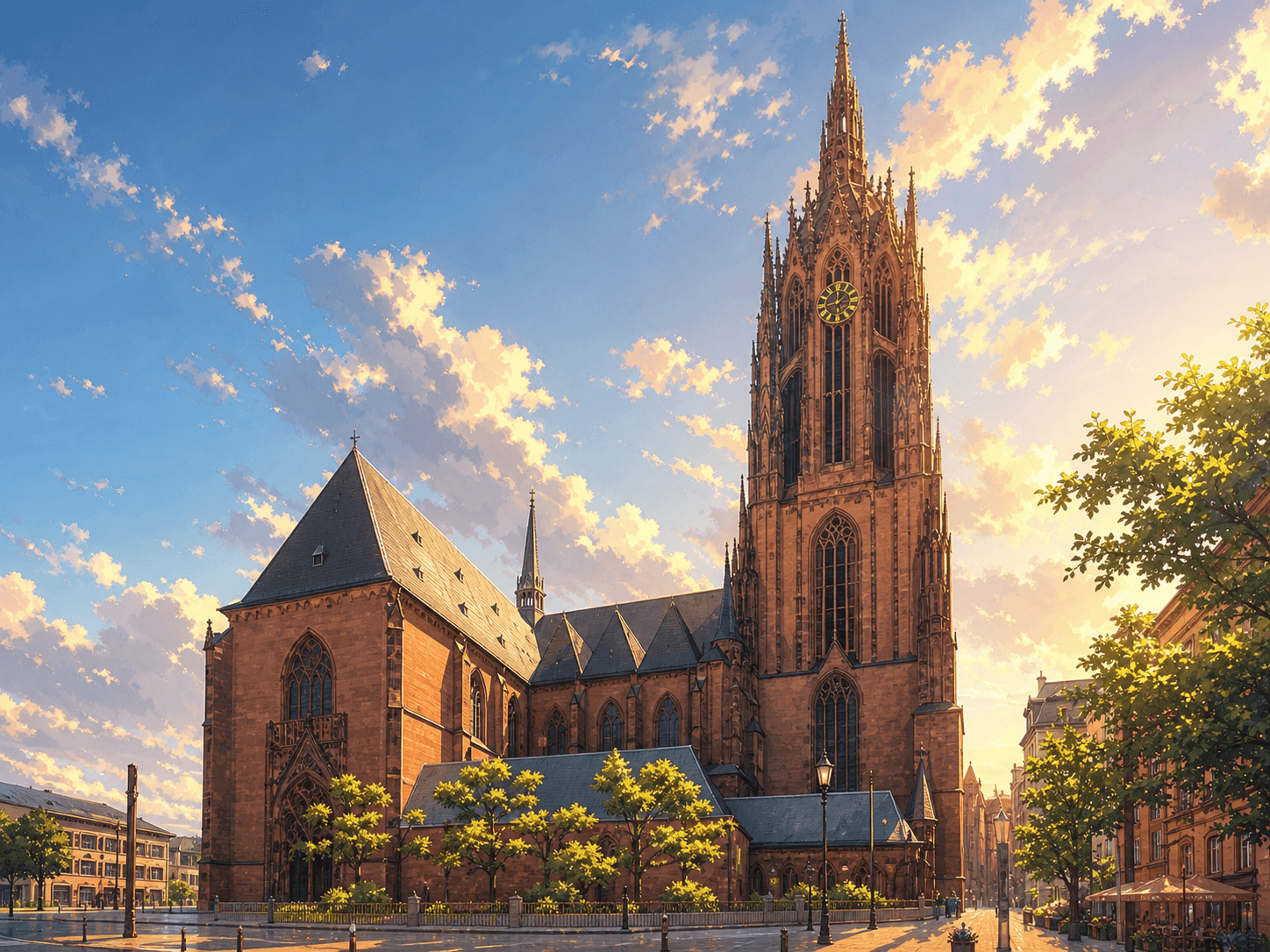
In January 2026, Frankfurt am Main set important milestones for future urban development in the Committee for Planning, Housing, and Urban Development. In addition to energy-efficient renovations and addressing vacancy issues, topics such as climate-friendly green spaces, zoning, and traffic planning were in focus.
Frankfurt's Urban Development Agenda in January 2026: From Renovations to Climate-Resilient Urban Planning
Frankfurt am Main has established itself in recent years as a pioneer in urban development. In January 2026, the Committee for Planning, Housing, and Urban Development set important directions for the future shaping of the metropolis, particularly with regard to sustainability, housing supply, and infrastructure. The decisions made during the month show how the city is responding to challenges such as climate change, population growth, and social justice.
Energy-Efficient Renovations and Urban Design in Focus
A central point of the January session was the renovation offensive for municipal buildings, known under the title "Frankfurt II." The goal is to improve the energy efficiency of more than 2,000 city-owned buildings by 2030. Particularly noteworthy is the decision to expand the Germaniabunker, which not only has symbolic value but also creates new urban spaces. In addition, the renovation of the Building at Stiftstraße 32 was approved in order to halt its deterioration and stabilize the historic city center.
Important decisions were also made in the area of zoning. Resolutions were passed for several zoning plans, such as No. 949 (east of A 5/Eschborner Landstraße) and No. 950 (south of Mainzer Landstraße/West of Schildwacht). These plans are part of the long-term strategy to further develop Frankfurt as a business and science location.
Climate Resilience and Green Space Development
Another central topic was climate-friendly green space development. The Europagarten 2.0 project was approved in its proposed version. This project involves a comprehensive renewal of the park, with a focus on climate-resilient installations and ecological biodiversity. The first construction phase, which concerns the Inner Park Center, will begin with preparatory measures.
In addition, measures for de-sealing (removing impermeable surfaces) were discussed, which are intended to be part of the city's climate protection strategy. De-sealing has proven to be an effective means of mitigating local climate change and improving the urban microclimate.
Housing Policy and Social Justice
The discussion on housing supply and social justice remained a central topic. In January, several initiatives were adopted to address vacancy in Frankfurt. The city is pursuing a policy of active vacancy reduction, particularly in the inner-city districts. In addition, the support for housing cooperatives was further advanced in order to create affordable housing.
Another focus was the renovation of the Gellertsiedlung, carried out by ABG Frankfurt Holding GmbH. This project is part of the long-term strategy to strengthen social housing in Frankfurt and provide tenants with long-term security.
Transport Planning and Public Participation
In the area of transport planning, Frankfurt emphasized transparency and public participation. The Frankfurt am Main Integrated Transport Plan 2035+ was approved, specifying that for investments of over 250 million Euros or for projects with below-average economic profitability, a separate parliamentary approval is required. Moreover, explicit public participation is planned for projects such as the Bergen/Enkheim Line or the Oberrad-Ostend Connection.
Decisions were also made in the area of P+R (Park and Ride) planning, with the P+R Taunusblick site designated as a priority. This is part of the strategy to reduce local traffic and strengthen public transport.
Conclusion: A City in Transition
January 2026 marks a milestone in urban development policy in Frankfurt. The adopted measures show how the city is responding to future challenges: with a clear strategy for climate-resilient development, socially just housing policy, and participatory transport planning. The implementation of these projects will be crucial for Frankfurt's future as a vibrant, livable, and affordable city.
NeoSearch analyses public council documents, committee minutes and municipal announcements. Source references appear automatically once verified meeting data is available.
What does this mean for businesses?
Urban development, zoning plans and commercial settlements create early construction and supply opportunities. Following council decisions reveals projects before they go to tender.
Track similar decisions in your region
Set up monitoring for economic development in Hessen — prefilled from this article.
Set up monitoring →More signals from Frankfurt
Governance and Administration in Frankfurt: The Constituent Session of the City Council 2026
The constituent session of the Frankfurt City Council on April 23, 2026 marked the beginning of the 20th electoral term. Numerous decisions were made on the composition of the presidium, the election of the City Council Chairperson, and the organization of committees. The blog provides a detailed insight into the proceedings, decisions, and background.
Read more → Frankfurt Municipal Politics April 2026 – A Change at the Top
In April 2026, the focus in Frankfurt was on the formation of the new City Council. Claudia Korenke was elected as the new Council Chair, and the political faction landscape has been restructured.
Read more → Governance in Frankfurt – March 2026: Decisions, Debates and Challenges
In March 2026, Frankfurt focused on numerous decisions and discussions in the field of governance and administration. The Ältestenausschuss (Standing Committee of Elders) and the Committee for Personnel, Security and Digitalization passed important proposals, rejected others, and referred topics for review. This blog analysis highlights the central debates, the decisions made, and the tensions that arose.
Read more →