Frankfurt Monthly Blog: Decisions and Developments in January 2026
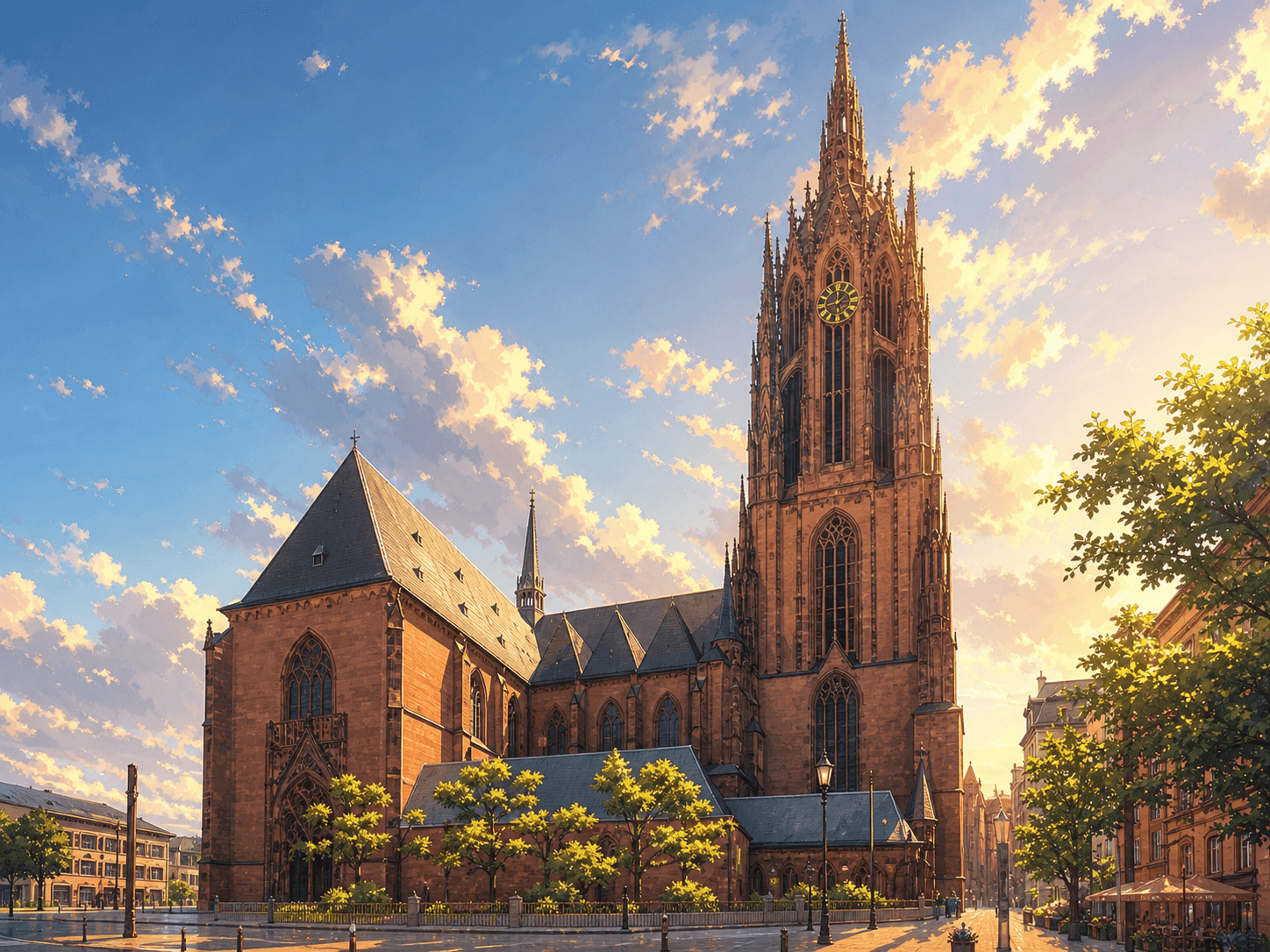
An overview of the most important decisions, debates, and projects in Frankfurt am Main in January 2026.
On Course: Frankfurt Looks Ahead
What was important this month
- ✅ The Integrated Rail Traffic Plan 2035+ was unanimously adopted – a milestone for the expansion of rail connectivity in the region.
- 🚴♂️ Cycling infrastructure is improving: Several neighborhood councils approved measures for safer bike lanes and bike racks.
- 🏫 Full-day childcare at elementary schools and changes to school districts were approved – with a focus on education and integration.
- 💰 The 2026 Budget has been passed: The Greens, SPD, Volt, and ÖkoLinX-ELF voted in favor, while the FDP and AfD rejected it.
- 🌱 Frankfurt is focusing on Sustainability: The Sustainability Strategy 2030+ and the project "Europagarten 2.0" were approved.
- 🎨 The city is becoming stronger culturally: Frankfurt World Design Capital 2026 has been approved – with co-funding.
Mobility: Rail, Bus and Cycling in Focus
Frankfurt made a clear decision in January for a mobility-oriented future. The Integrated Rail Traffic Plan 2035+ was unanimously adopted in several committees and marks a strategic milestone for the expansion of rail infrastructure. In addition, the P+R Concept was approved to relieve commuters.
There were also advances in the area of cycling mobility: Neighborhood councils such as Harheim and Bergen-Enkheim approved measures to improve cycling infrastructure. However, proposals for ground markings at U-Bahn stations failed in some councils, indicating regional differences in mobility planning.
Education and Social Affairs: Schools in Transition
Education policy was another key focus. The full-day childcare at elementary schools was approved in several neighborhood councils – with divided votes, indicating the complexity of implementation. In addition, the school district amendment was unanimously passed, which will realign school development in the city.
In the area of social affairs, child and youth poverty received attention. In addition, several proposals for full-day childcare and school safety were approved. The debate on social housing remained controversial – some proposals were rejected, indicating regional differences in housing policy.
2026 Budget: Party Positions Reflected
The 2026 Budget has been passed. The Greens, SPD, Volt, and ÖkoLinX-ELF clearly voted in favor, while the FDP and AfD rejected it. The debate on the tourism fee and fee regulations remained contentious. In addition, the funding of cultural events was unanimously approved – a signal for Frankfurt as a cultural metropolis.
Climate: Sustainability as a Key Issue
The Sustainability Strategy 2030+ was approved in several committees. In addition, the project "Europagarten 2.0" was approved – a step toward greener districts. However, a proposal by the Left Party to supplement the strategy failed. Also, the Miyawaki Mini-Forest Pilot Project was introduced – an innovative project for microclimate improvement.
Culture and Sports: Frankfurt as a Design Capital
There were significant decisions in the cultural and sports sector. With Frankfurt World Design Capital 2026, the city has positioned itself as an international design capital. In addition, a funding concept for film productions was approved, strengthening Frankfurt's position as a film city. However, the Magistrat rejected a proposal to establish an EU House – a difficult topic in the cultural landscape.
Security and Civic Participation: Contentious Debates
The security debate remained polarizing. Proposals by the CDU for video surveillance on the Zeil, gun-free zones, and police stations were rejected. In addition, the placement of AEDs in community centers was noted – a step toward medical preparedness. In terms of civic participation, Frankfurt is focusing on transparency: Document access, public question hours, and debates on mobility measures strengthen the sense of participation.
Outlook: Frankfurt Looks Ahead
January 2026 was marked by clear decisions in education, mobility, climate, and culture. While some debates were controversial – especially in the financial and security areas – a unified picture emerges in transport and sustainability policy. The city is focusing on structural planning, green infrastructure, and cultural diversity – topics that will remain in the spotlight in the coming months.
NeoSearch analyses public council documents, committee minutes and municipal announcements. Source references appear automatically once verified meeting data is available.
What does this mean for businesses?
Schools, daycare centres and public buildings create early planning and construction opportunities. Following council agendas surfaces tenders for refurbishment, new builds and fit-out months before the official award — from shell construction to specialist planning to furnishing.
Track similar decisions in your region
Set up monitoring for education & public facilities in Hessen — prefilled from this article.
Set up monitoring →More signals from Frankfurt
Governance and Administration in Frankfurt: The Constituent Session of the City Council 2026
The constituent session of the Frankfurt City Council on April 23, 2026 marked the beginning of the 20th electoral term. Numerous decisions were made on the composition of the presidium, the election of the City Council Chairperson, and the organization of committees. The blog provides a detailed insight into the proceedings, decisions, and background.
Read more → Frankfurt Municipal Politics April 2026 – A Change at the Top
In April 2026, the focus in Frankfurt was on the formation of the new City Council. Claudia Korenke was elected as the new Council Chair, and the political faction landscape has been restructured.
Read more → Governance in Frankfurt – March 2026: Decisions, Debates and Challenges
In March 2026, Frankfurt focused on numerous decisions and discussions in the field of governance and administration. The Ältestenausschuss (Standing Committee of Elders) and the Committee for Personnel, Security and Digitalization passed important proposals, rejected others, and referred topics for review. This blog analysis highlights the central debates, the decisions made, and the tensions that arose.
Read more →