Frankfurt Rundschau – Monthly Review February 2026
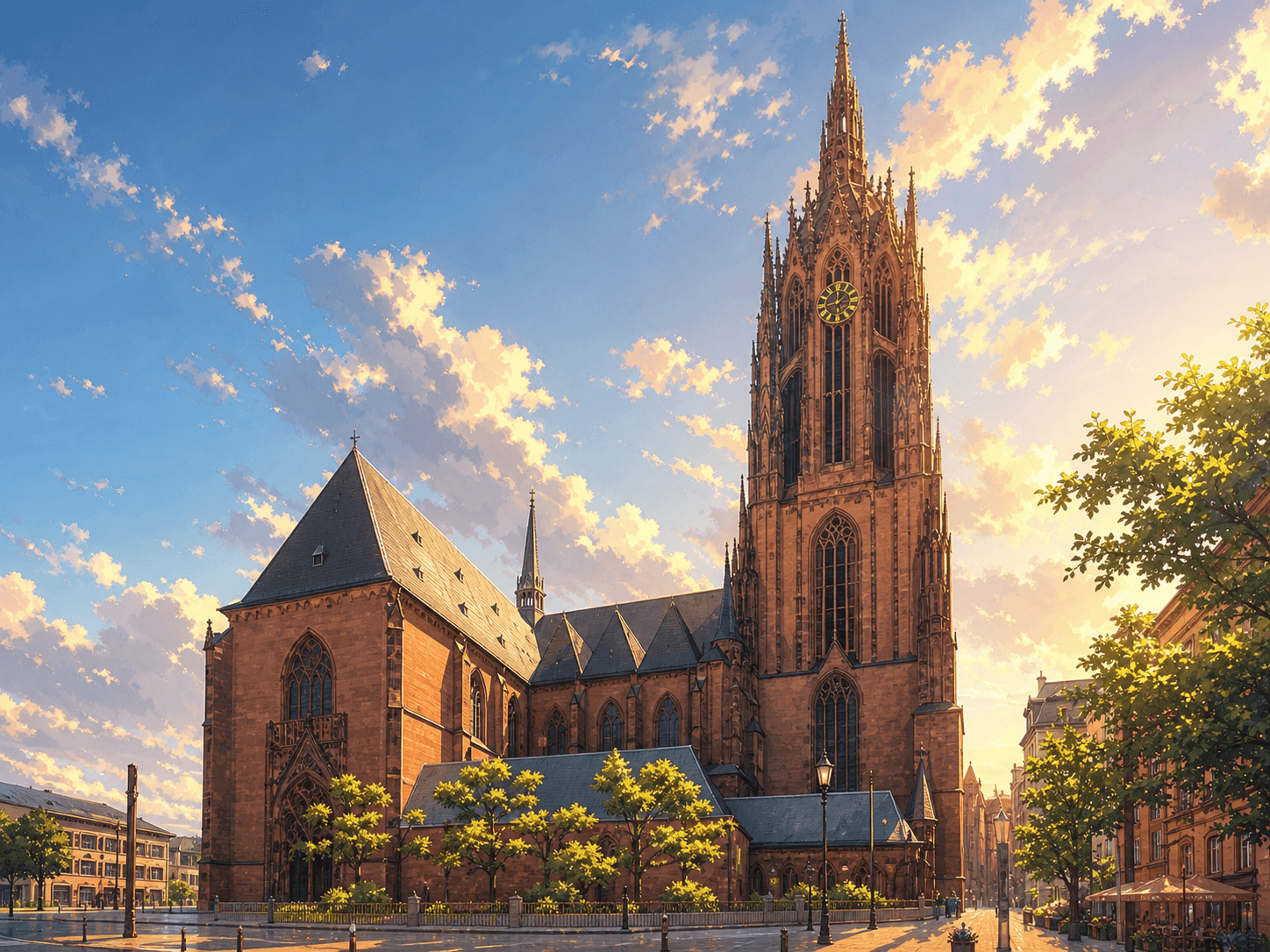
In February 2026, Frankfurt saw numerous decisions in the areas of climate, education, mobility, and the budget at the center of attention. This blog provides an overview of the most important topics and developments.
Climate, Education, Mobility – The Month in Focus
What was important this month
- Climate protection and management of the Nile Geese: The Committee for Climate and Environmental Protection laid the groundwork for a population management plan for the Nile Geese in Frankfurt – a pilot project in dealing with urban wildlife.
- Construction projects and playgrounds: The Local Council Dornbusch-Escherheim-Ginnheim unanimously approved the planning of a new playground on Fritz-Tarnow-Straße.
- 2026 Budget: The Main and Finance Committee concluded the general debate on the 2026 budget and approved a number of proposals.
- Mobility and 30 km/h zones: Local Council 15 decided to introduce a 30 km/h zone on Homburger Landstraße – a step toward enhancing traffic safety.
- Digitalization and Smart-City: The Committee for Mobility and Smart-City discussed the future of digital infrastructure in Frankfurt and submitted proposals for review.
- Education policy: The Education Committee rejected several initiatives, including the strengthening of the Immigration Office and the renovation of queer cultural sites.
Climate and Environment: Nile Geese Pilot Project
In February, the Committee for Climate and Environmental Protection approved a pilot report on the management of the Nile Geese in Frankfurt. The goal is to align the management of urban wildlife with climate protection efforts. The Magistrat has been tasked with submitting a comprehensive report within three months. This initiative is part of the strategic implementation of the city's climate protection strategy and demonstrates that Frankfurt remains actively engaged in addressing seemingly unconventional challenges.
Education Policy: Initiatives Rejected
In February, the Education Committee addressed several initiatives, including the renovation of the queer cultural house LSKH, the promotion of diversity in Frankfurt schools, and the increase of the event budget for the Cultural and Exhibition Association (KAV). All proposals were rejected, with the Greens, CDU, SPD, Left, and Volt advocating for further discussion in the Main and Finance Committee. The rejections stem from political party differences and highlight how sensitive education policy remains in Frankfurt.
Mobility: 30 km/h Zones and Smart-City
Local Council 15 unanimously approved the introduction of a 30 km/h zone on Homburger Landstraße. This measure is part of the city’s long-term strategy to slow down traffic and enhance safety for pedestrians and cyclists. At the same time, the Committee for Mobility and Smart-City discussed the expansion of digital infrastructure. Several proposals were rejected or referred back to the Magistrat for review, with the focus on the future-readiness of Frankfurt’s transportation networks.
2026 Budget: En bloc Votes
In February, the Main and Finance Committee concluded the general debate on the 2026 budget. In total, 23 agenda items were voted on en bloc, with the majority of proposals being rejected. The voting reflected political tensions between the factions. The rejection of many initiatives shows that the budget process remains a central political focal point in Frankfurt.
Cross-Topic: Political Tensions and Priorities
A recurring pattern in the meetings was the clear division between the factions. Particularly on issues such as climate protection, education, and mobility, clear lines were drawn: while the Greens, CDU, SPD, Left, and Volt often acted in unison, the FDP, AfD, and ÖkoLinX-ELF voted differently or rejected proposals. These differences are also reflected in the voting on budget requests and financial proposals.
Despite political tensions, some projects were unanimously approved, such as the 30 km/h zone or the renovation of certain playgrounds. These projects show that it is possible to find consensus even in a polarized atmosphere – especially when citizens' interests are clearly defined.
Conclusion and Outlook
February 2026 was characterized by political debates, but also by concrete decisions in the areas of education, climate, and mobility. The rejection of many initiatives in the Education Committee and the budget debate shows that political priorities remain divided. At the same time, Frankfurt set impulses toward sustainable urban development with projects such as the Nile Geese management and the 30 km/h zone.
March will show whether political differences in the budget process can be overcome and which projects will be implemented. Citizens can look forward to reports on the Nile Geese management and the future of Frankfurt's transportation planning.
NeoSearch analyses public council documents, committee minutes and municipal announcements. Source references appear automatically once verified meeting data is available.
What does this mean for businesses?
Municipal heat planning, photovoltaics and climate measures create early project indicators. Following council decisions surfaces sites and tenders before they are publicly advertised.
Track similar decisions in your region
Set up monitoring for environment & climate in Hessen — prefilled from this article.
Set up monitoring →More signals from Frankfurt
Governance and Administration in Frankfurt: The Constituent Session of the City Council 2026
The constituent session of the Frankfurt City Council on April 23, 2026 marked the beginning of the 20th electoral term. Numerous decisions were made on the composition of the presidium, the election of the City Council Chairperson, and the organization of committees. The blog provides a detailed insight into the proceedings, decisions, and background.
Read more → Frankfurt Municipal Politics April 2026 – A Change at the Top
In April 2026, the focus in Frankfurt was on the formation of the new City Council. Claudia Korenke was elected as the new Council Chair, and the political faction landscape has been restructured.
Read more → Governance in Frankfurt – March 2026: Decisions, Debates and Challenges
In March 2026, Frankfurt focused on numerous decisions and discussions in the field of governance and administration. The Ältestenausschuss (Standing Committee of Elders) and the Committee for Personnel, Security and Digitalization passed important proposals, rejected others, and referred topics for review. This blog analysis highlights the central debates, the decisions made, and the tensions that arose.
Read more →