Bad Vilbel Committed to Climate Neutrality: The Integrated Climate Protection Concept 2026
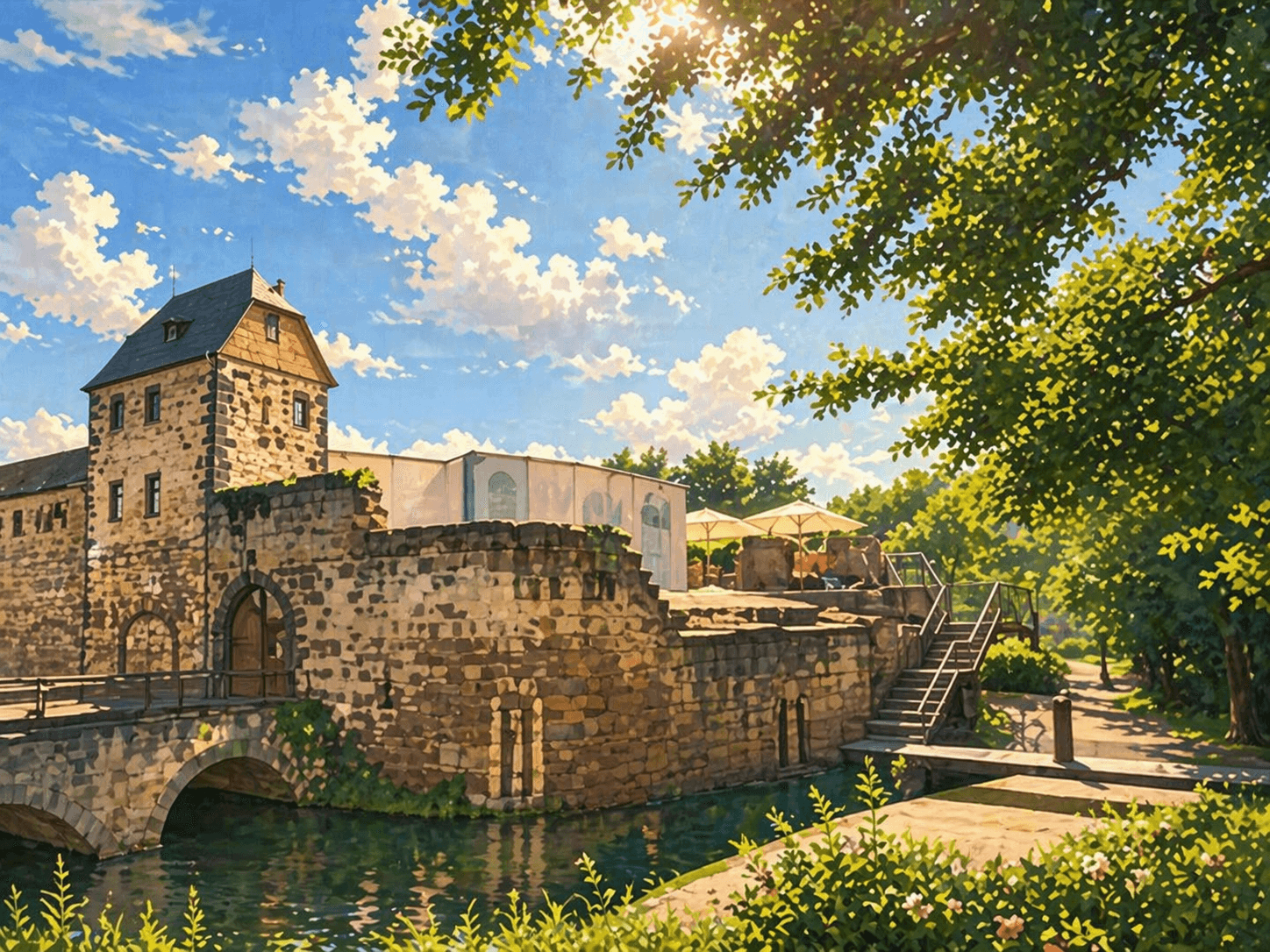
In February 2026, Bad Vilbel adopted a comprehensive Integrated Climate Protection Concept (IKSK), setting the city on the path to becoming climate neutral by 2045. This blog provides insights into the background, goals, and key measures of this landmark decision.
Climate Neutrality in Bad Vilbel: The Integrated Climate Protection Concept 2026
In 2026, the city of Bad Vilbel addressed a central issue for the future: climate protection. With the adoption of the Integrated Climate Protection Concept (IKSK) on 03.02.2026 in the Planning, Construction, and Environment Committee, the municipality has set a clear course — by 2045, Bad Vilbel shall be climate neutral. This concept is not only a strategic instrument, but also a sign of responsibility, innovation, and sustainability.
Goals and Foundations of the IKSK
The IKSK is based on a comprehensive energy and climate balance, which analyzes energy consumption and greenhouse gas emissions by sectors and energy sources. The balance was conducted using the BISKO method, which considers upstream processes and thus provides a realistic picture of emissions.
The city has set itself the goal of eliminating greenhouse gases completely by 2045 — an ambitious, yet realistic goal that aligns with national and international climate protection targets. Germany and Hesse have already committed to climate neutrality by 2045, and Bad Vilbel follows this line with a municipal action plan.
Key Measures of the Climate Protection Concept
1. Energy Efficiency and Renewable Energies
Energy efficiency is a central component of the IKSK. Bad Vilbel plans the expansion of photovoltaic systems on public and private roofs, the expansion of district heating networks, and the development of heat sources such as geothermal energy and wastewater heat.
Another focus is the energy transition in the transport sector. The city promotes electric mobility, cycling, and public transport. In addition, the Vilbus fleet is being electrified step by step, a process that should be completed by 2027.
2. Climate Adaptation and Biodiversity
In addition to reducing greenhouse gases, the IKSK also addresses climate adaptation. Extreme weather events such as heavy rain and heatwaves will be incorporated into an adaptation strategy, implemented through a sensor network and hotspot maps.
In the area of biodiversity, Bad Vilbel supports the maintenance of scattered orchard meadows, the grazing of green spaces, and the planting of hedges and nesting boxes. In addition, the city forest is being adapted to make it more resilient to climate change.
3. Citizen Participation and Communication
Climate protection is a community task. The IKSK therefore provides for intensive citizen participation. Measures such as thermography walks, City Cycling (Stadtradeln), and climate education in kindergartens and primary schools are intended to raise awareness and actively involve the population.
The communication strategy is transparent and includes annual reports on progress, training for municipal bodies, and information for citizens on the current state of emissions.
4. Financing and Support
The implementation of the IKSK is financially secured. The city uses grants from federal and state programs, for example for energy advice, charging infrastructure, and climate adaptation concepts. In addition, the city supports private measures, for example through a new climate funding guideline, which supports roof greening, rainwater use, and sealing reduction.
Challenges and Future Perspectives
Despite the clear objectives and comprehensive planning, there are challenges. The data basis of the balance is not yet complete, and there are no concrete timetables and intermediate goals. The faction BÜNDNIS 90/DIE GRÜNEN even called for an earlier target (2035) in response to the urgency of the climate crisis.
Nevertheless, the IKSK is a milestone. It shows that Bad Vilbel is ready to take responsibility, drive innovations, and develop sustainable solutions. The city has joined a network of climate-friendly municipalities and wants to be a role model — for Hesse, for Germany, and for the world.
Outlook: Climate Neutrality as a New Beginning
The IKSK is more than a concept — it is a guide for the future. With clear measures, transparent communication, and strong citizen participation, Bad Vilbel sets an example of how municipalities can actively combat the climate crisis.
The next few years will show whether the 2045 goal will be achieved. But already now it is clear: Bad Vilbel is on the right track.
NeoSearch analyses public council documents, committee minutes and municipal announcements. Source references appear automatically once verified meeting data is available.
What does this mean for businesses?
Municipal heat planning, photovoltaics and climate measures create early project indicators. Following council decisions surfaces sites and tenders before they are publicly advertised.
Track similar decisions in your region
Set up monitoring for environment & climate in Hessen — prefilled from this article.
Set up monitoring →More signals from Bad-Vilbel
Governance and Administration in Bad Vilbel – Structures, Procedures, and Democratic Processes
In April 2026, Bad Vilbel saw a series of constitutive meetings and elections within its municipal bodies. The decisions regarding governance and administration reflect the city's democratic structure and illustrate how local politics are organized and implemented in Bad Vilbel.
Read more → Bad Vilbel: Financial Policy and Budget Expansions in April 2026
In April 2026, Bad Vilbel saw significant decisions in the Finance Committee – particularly the extraordinary grant to non-profit organizations that participated in the Hessentag 2025. This blog post analyzes the background, decision-making processes, and implications.
Read more → April 2026: Bad Vilbel in the Spotlight – Highlights and Decisions
In April 2026, Bad Vilbel addressed important political, cultural, and infrastructural topics. Discover in our monthly review which decisions were made and how they will influence the city.
Read more →