Urban Development in Frankfurt (Oder): Outlook and Challenges in April 2026
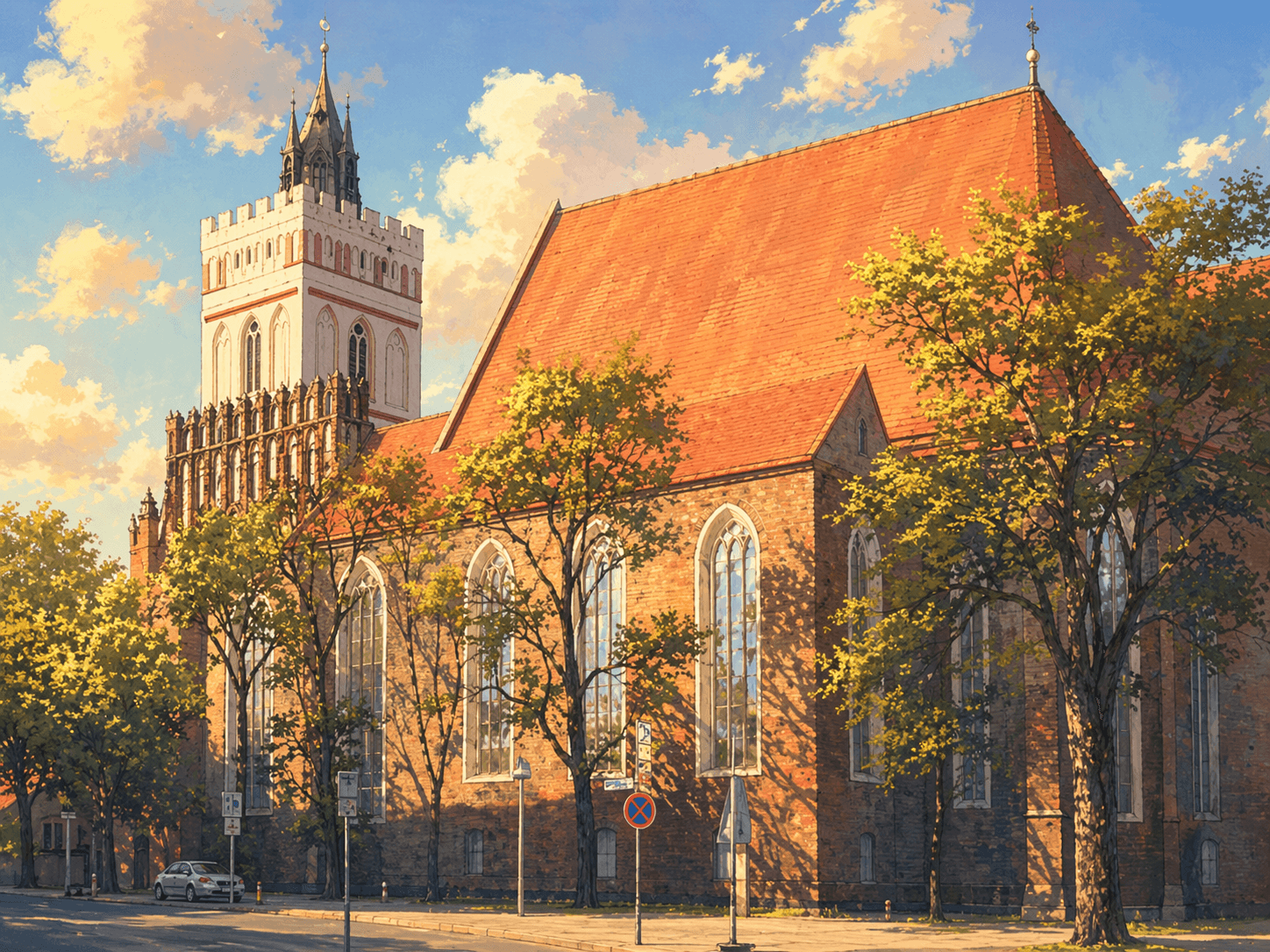
In April 2026, Frankfurt (Oder) focused on numerous decisions and planning processes in the areas of urban development and construction. From the repeal of the advertising ordinance to the expansion of the industrial area and the museum renovation – the city is actively moving towards modernization and climate protection.
Urban Development in Frankfurt (Oder): Between Modernization and Protection
Urban development in Frankfurt (Oder) is characterized by a constant interplay between innovation and preservation. In April 2026, the municipal planning priorities became clear: the repeal of the advertising ordinance, the expansion of the industrial area, and the extension of the museum complex marked steps toward flexibility and sustainability. At the same time, ecological and cultural protection measures remain central to the planning process.
Repeal of the Advertising Ordinance: Modernization or Loss of the Cityscape?
In April 2026, the advertising ordinance in force since 2013 was repealed in the center of Frankfurt. The decision aims to remove bureaucratic hurdles and adapt the regulation of advertising installations to modern standards. In the future, control will be carried out via regional building use regulations such as the Brandenburg Building Use Ordinance.
However, the repeal also sparked debate. Critics fear that the cityscape may be affected by less regulated advertising posters. The city has announced that it will evaluate the effects by 2030. This long-term observation is crucial to maintaining the balance between economic promotion and the cityscape.
Industrial Expansion: Ensuring Competitiveness
Another central topic was the expansion of the A12 industrial area through the zoning plan BP-54-008. With an area of 78 hectares, the city will offer flexibly parcelable plots in the future to secure the competitiveness of its industrial location. The direct connection to the A12, B112, and the prospective B87 underlines the strategic importance of the project.
The expansion is part of a larger plan to strengthen the industrial infrastructure of Brandenburg. At the same time, it presents a challenge to the city: How can growth be combined with sustainability without increasing environmental pressure?
Museum Construction: Heritage Conservation and Modern Architecture
The third amendment to the zoning plan BP-02-002 "Bahnhofsberg" marks a milestone in the city's cultural development. The former cinema will be converted into the Brandenburg State Museum for Modern Art (BLMK). The new building will complement the historically protected existing structure without overshadowing it.
Ecological and cultural aspects were central to the project. The FFH compatibility assessment confirmed that the planned measures would not constitute a significant disturbance to the bat habitat. At the same time, green roofs and replacement afforestation were planned to contribute to the improvement of the microclimate.
Climate and Energy: CO2 Removal as Future Technology
Another project discussed in April 2026 is the development of a CO2 removal park in the "Am Hohen Feld" area. The planned zoning plan VBP-23-001 provides for a pyrolysis plant that produces biochar and thus permanently binds CO2. In addition, the waste heat from the plant will be fed into the district heating network and covers about 8 percent of the city's heat demand.
This initiative is a milestone in municipal climate protection policy. It shows that Frankfurt (Oder) is not only advancing with renewable energies but also testing innovative CO2 removal technologies. The planned decision on implementation in the second quarter of 2027 underlines the ambition to be climate-neutral by 2030.
Conclusion: Frankfurt (Oder) on the Way to the Future
April 2026 was an intense chapter in the urban development history of Frankfurt (Oder). The decisions show that the city consciously chooses a future-oriented but also responsible development path. Whether in modernizing advertising regulations, expanding industrial areas, or renovating the museum – Frankfurt (Oder) balances between growth and protection. The coming months will show whether this balance is sustainable in the long term – and how the planned projects will fit into the urban image.
NeoSearch analyses public council documents, committee minutes and municipal announcements. Source references appear automatically once verified meeting data is available.
What does this mean for businesses?
Urban development, zoning plans and commercial settlements create early construction and supply opportunities. Following council decisions reveals projects before they go to tender.
Track similar decisions in your region
Set up monitoring for economic development in Brandenburg — prefilled from this article.
Set up monitoring →More signals from Frankfurt-Oder
Youth Policy in Frankfurt (Oder): Challenges, Developments, and Perspectives in April 2026
In April 2026, Frankfurt (Oder) focused on numerous youth policy issues – from childcare provision and child protection to educational and prevention programs. The Youth Welfare Committee extensively discussed developments, risks, and potential measures.
Read more → Governance and Administration in Frankfurt (Oder) – April 2026 in Focus
In April 2026, Frankfurt (Oder) saw numerous meetings of local advisory boards and administrative decisions in the areas of governance and administration. The city recorded both structural and communicative progress, while also facing challenges such as staff shortages and slow construction planning.
Read more → Frankfurt (Oder) in the Cultural Spotlight: Jubilee, Music, and Community in April 2026
In April 2026, Frankfurt (Oder) was entirely focused on cultural impulses and social connections. From jubilee preparations to the future of the Brandenburg State Orchestra and educational projects to cross-border cooperation – the month demonstrated how diverse the city shapes its cultural identity.
Read more →