Frankfurt (Oder) in the Cultural Spotlight: Jubilee, Music, and Community in April 2026
In April 2026, Frankfurt (Oder) was entirely focused on cultural impulses and social connections. From jubilee preparations to the future of the Brandenburg State Orchestra and educational projects to cross-border cooperation – the month demonstrated how diverse the city shapes its cultural identity.
775 Years of Frankfurt (Oder): Jubilee Planning in Focus
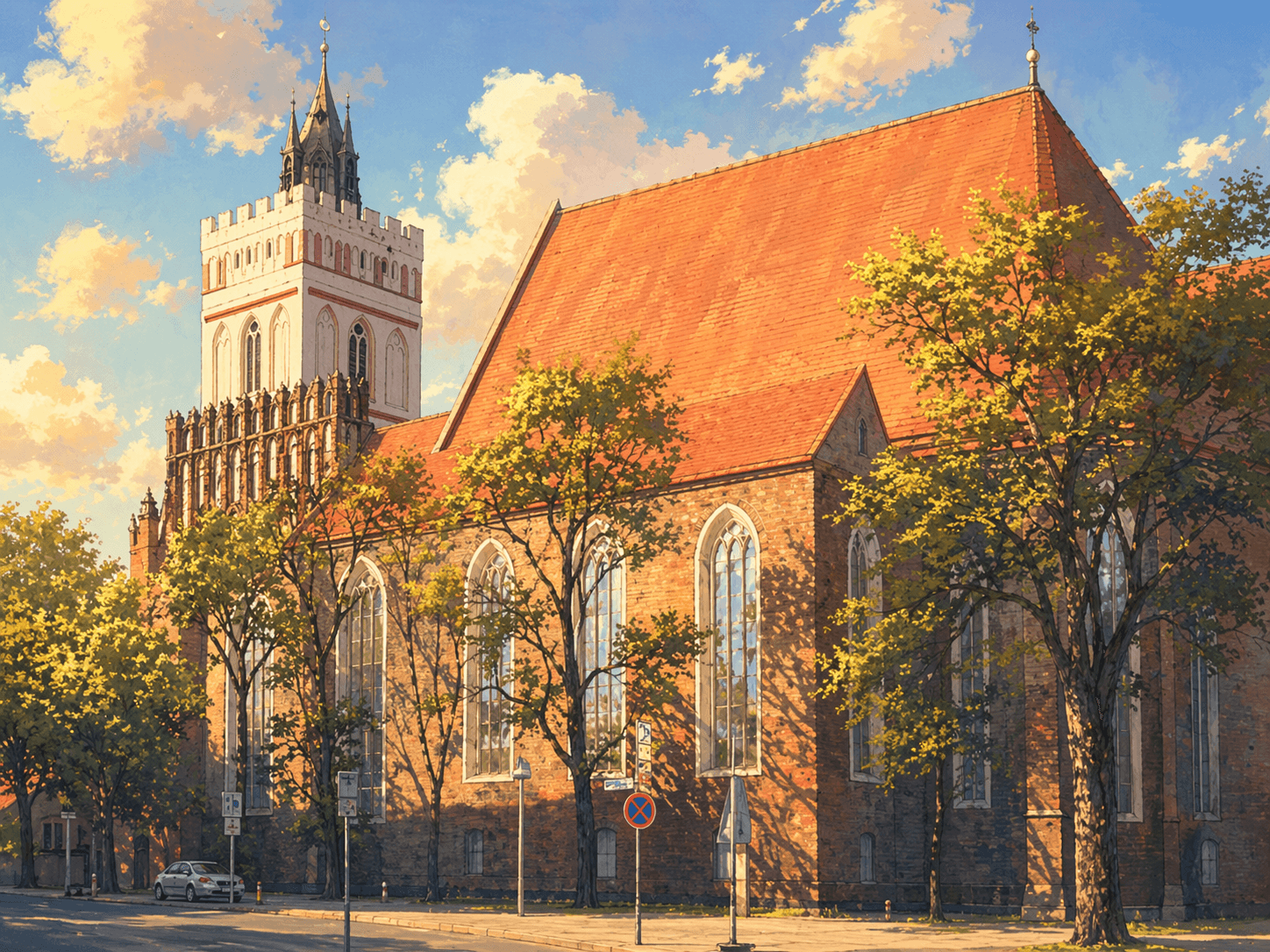
In 2028, Frankfurt (Oder) will celebrate its 775th anniversary – a milestone the city has been preparing for intensively since the beginning of the year. In April 2026, a specific timeframe for the jubilee planning was set, with the goal of developing a rough concept by the summer break. The celebrations are planned to take place from May to October 2028 and will cover a wide cultural spectrum. Highlights include an interactive exhibition in the Marienkirche, a "Carnival of Cultures," a historical city festival, and an impressive light mapping project along the Oder Promenade. Financial controls and sponsorship preparations are already underway, and the next planning meeting is scheduled for April 29. The jubilee period will not only highlight the city's historical significance but also showcase its cultural and social diversity.
Brandenburg State Orchestra Frankfurt: A Harmonious Future
The Brandenburg State Orchestra Frankfurt (BSOF) remains a central figure in the city's cultural landscape. In addition to its role as Brandenburg's A-orchestra, it also serves as a link between Frankfurt (Oder) and the international music scene. With the appointment of Felix Mildenberger as the new General Music Director for the 2026/27 season, the city is investing in a creative future. The BSOF plans New Year's concerts, open-air events, and the "Classics Without Borders" project. Particularly noteworthy is its strong international collaboration with partner cities in Poland, Austria, and China. The concert series in Polish Slubice, German-Polish educational projects, and performances in Europe illustrate how strongly Frankfurt (Oder) functions as a cultural hub between East and West.
Cultural Education and Cross-Border Communication
Beyond artistic performances, the BSOF plays a crucial role in cultural education. Through projects like "Tension Fields" and "Wagner for Children," music is understood not only as entertainment but also as an educational tool. Cultural communication across the border, especially with Poland, is a central concern. Support for these projects comes from Interreg, the Oder-Spree Sparkasse, and other regional sponsors. The attention from renowned media outlets such as the "Frankfurter Allgemeine Zeitung" and the "New York Times" highlights the reach of this work. New projects like "Wish Concert" and an Artist-in-Residence concept provide impulses for the future of cultural education in the region.
Marketing and Financing: Challenges and Opportunities
Following the impact of the pandemic on audience development, the BSOF has adapted its strategy. Although a 11% ticket price increase led to an 8% loss in subscribers, overall revenue remained stable. The expansion of single ticket sales, stronger use of social media (+2000% growth), and the development of a modern, multilingual website are key success factors. Partnerships with media houses like Märkisches Medienhaus and rbb contribute to visibility. At the same time, financing remains a topic, as the city also decided in April 2026 to review the budget of the cultural enterprise for potential cost savings. Although planned cuts were canceled, energy costs remain a critical issue for the future.
Future of the Music School and Personnel Issues
In April 2026, important personnel decisions were also made at the music school. Following the "Herrenberg ruling" and the resulting legal restrictions, honor-based teaching is no longer permissible. The city has decided to convert fixed-term employment contracts for previously fixed-term employees into permanent contracts – with exceptions for retirees and EU retirees. This decision has far-reaching implications for the structure and working conditions of the music school. At the same time, the question of a framework agreement between the state orchestra and the music school remains unresolved, which could influence future cooperation. An extraordinary meeting of the works council on April 21 addressed these challenges, and further discussions are planned.
Cultural Cooperation and Perspectives
Frankfurt (Oder)'s role as a cultural hub between Germany and Poland is evident through projects like the "Classics Without Borders" open-air event with 6,000 spectators or the concert reading for the "Day of Remembrance" involving youth. In addition, the city is closely connected with institutions such as the Kleist Museum, the Europa-Universität Viadrina, and the Brandenburg State Orchestra. The discussions about the future of the planetarium, the Collegienstraße memorial site, and the closure of the Kleist Music School show that Frankfurt's cultural identity is constantly being redefined. At the same time, the budget of the cultural enterprise will be reviewed until October 31, 2026, aiming for the financial sustainability of the sector.
Conclusion: Culture as a Bridge between Past and Future
April 2026 has shown that Frankfurt (Oder) is not only occupied with planning its 2028 city jubilee but is also actively culturally engaged in the present. The Brandenburg State Orchestra, the music school, and educational projects contribute to strengthening the city's cultural identity. At the same time, the challenges – financial, legal, and strategic – cannot be underestimated. The future will show whether the city can successfully balance tradition and modernity with its projects and partnerships.
NeoSearch analyses public council documents, committee minutes and municipal announcements. Source references appear automatically once verified meeting data is available.
What does this mean for businesses?
Municipal council decisions are early indicators: following the council agenda surfaces projects and tenders months before the official award — before they ever reach the procurement portals.
Track similar decisions in your region
Set up monitoring for Culture and Community in Brandenburg — prefilled from this article.
Set up monitoring →More signals from Frankfurt-Oder
Youth Policy in Frankfurt (Oder): Challenges, Developments, and Perspectives in April 2026
In April 2026, Frankfurt (Oder) focused on numerous youth policy issues – from childcare provision and child protection to educational and prevention programs. The Youth Welfare Committee extensively discussed developments, risks, and potential measures.
Read more → Governance and Administration in Frankfurt (Oder) – April 2026 in Focus
In April 2026, Frankfurt (Oder) saw numerous meetings of local advisory boards and administrative decisions in the areas of governance and administration. The city recorded both structural and communicative progress, while also facing challenges such as staff shortages and slow construction planning.
Read more → Social Affairs and Housing Policy in Frankfurt (Oder) – April 2026 in Focus
In April 2026, social participation, integration, and housing policy were at the center of attention in Frankfurt (Oder). Numerous decisions and reports highlight the challenges and progress in the city.
Read more →