Social Affairs and Housing Policy in Frankfurt (Oder) – April 2026 in Focus
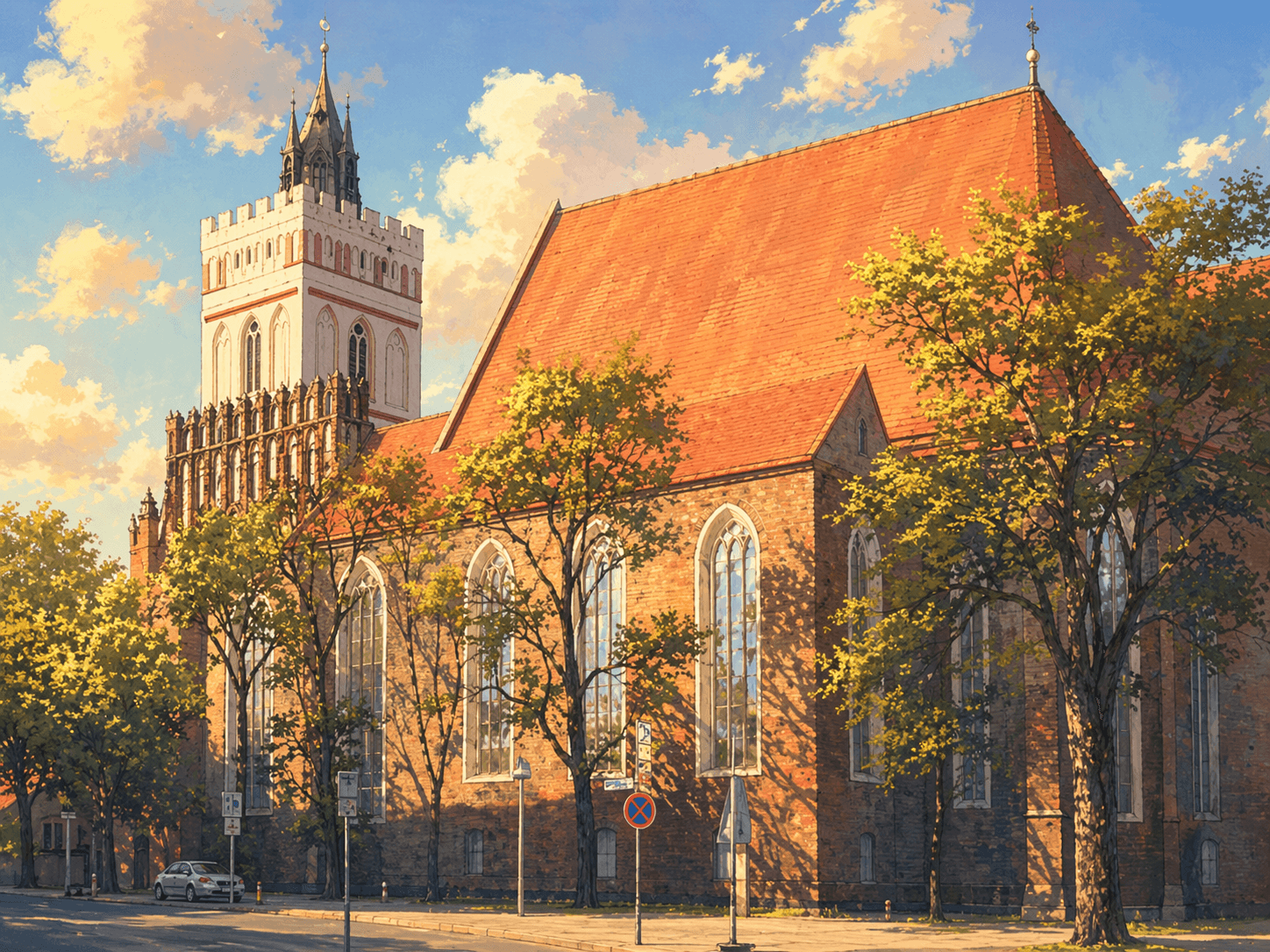
In April 2026, social participation, integration, and housing policy were at the center of attention in Frankfurt (Oder). Numerous decisions and reports highlight the challenges and progress in the city.
Social Participation and Housing Policy in Frankfurt (Oder) – The Month of April 2026
Frankfurt (Oder) is a city facing the challenges of its multicultural structure and social integration. April 2026 was marked by intense discussions and concrete decisions in the areas of social affairs and housing policy. The city is pursuing a participatory policy that relies not only on state measures but also on the involvement of its citizens.
Social Advisory Boards as Keys to Participation
The work of social advisory boards is a decisive factor for the quality of social policy in Frankfurt (Oder). The Senior Advisory Board, Disability Advisory Board, and Integration Advisory Board all actively represented the interests of their target groups during this month.
The Senior Advisory Board, for example, presented plans for a senior advisory office that would serve as a direct contact point for older citizens. In addition, proposals for integration into local community conferences and cooperation with the Senior Academy were discussed. These measures aim to increase the involvement of the elderly in the city’s political life.
The Disability Advisory Board strongly advocated for the rapid implementation of the “Barrier-Free Frankfurt (Oder)” action plan. Central topics included barrier-free mobility, education, and tourism. The board also called for comprehensive citizen participation through the Frankfurt app and early involvement in planning processes. These demands reflect the desire for inclusive urban planning that does not only react to inclusivity after completion.
The Integration Advisory Board, on the other hand, supported the implementation of the Local Integration Management (KIM) and the program “Welcome to Brandenburg (WIB 2023–2025)”. The advisory board plays a central role in integrating refugees and migrants into the city and enabling social participation.
Labor Market and Migration: Challenges and Trends
The labor market in Frankfurt (Oder) remains a central topic. In April 2026, there were 2,933 unemployed people, of whom 1,957 (66.7%) were German citizens and 976 (33.3%) were foreign nationals. Particularly notable is the number of unemployed individuals from third countries (643) and asylum seeker countries (360), indicating ongoing migration from these regions.
The city also provided concrete employment data. In September 2025, 2,185 people were registered as low-income employees, of whom 1,622 (74.2%) were German citizens. There was a slight decline compared to the previous year. The data show that Frankfurt (Oder) remains at a stable level in terms of labor market policy, despite the challenges.
Migration also has a clear impact on the structure of job seekers. In March 2026, 4,400 job seekers were recorded, 2,794 of whom were from Eastern Europe. The work of the Federal Employment Agency is of great importance here to integrate newcomers into the labor market and create equal opportunities.
Prevention and Poverty Reduction: Focus on Families
Another important topic was the fight against child and youth poverty. April 2026 brought a comprehensive situation report that addressed the specific needs of this group. Particularly affected are families with multiple children, single parents, and families with a migration background.
The city has worked to strengthen preventive measures in order to identify social risks at an early stage. These include childcare offers, financial support for families, or educational programs. These measures are not only socially important but also contribute to the long-term stabilization of the city’s society.
Outlook: Inclusion and Social Security as Future Tasks
April 2026 has shown that Frankfurt (Oder) is on the way to becoming an inclusive and socially just city. The work of the advisory boards, the integration of migrants, and the fight against poverty are central issues that must continue to be advanced in the coming months.
The city has set clear priorities: greater participation, better labor market policy, and stronger prevention. The challenges are significant, but the determination to overcome them is equally strong. In the coming months, it will depend on whether political guidelines are translated into concrete measures and whether citizens recognize and support these initiatives.
NeoSearch analyses public council documents, committee minutes and municipal announcements. Source references appear automatically once verified meeting data is available.
What does this mean for businesses?
Schools, daycare centres and public buildings create early planning and construction opportunities. Following council agendas surfaces tenders for refurbishment, new builds and fit-out months before the official award — from shell construction to specialist planning to furnishing.
Track similar decisions in your region
Set up monitoring for education & public facilities in Brandenburg — prefilled from this article.
Set up monitoring →More signals from Frankfurt-Oder
Youth Policy in Frankfurt (Oder): Challenges, Developments, and Perspectives in April 2026
In April 2026, Frankfurt (Oder) focused on numerous youth policy issues – from childcare provision and child protection to educational and prevention programs. The Youth Welfare Committee extensively discussed developments, risks, and potential measures.
Read more → Governance and Administration in Frankfurt (Oder) – April 2026 in Focus
In April 2026, Frankfurt (Oder) saw numerous meetings of local advisory boards and administrative decisions in the areas of governance and administration. The city recorded both structural and communicative progress, while also facing challenges such as staff shortages and slow construction planning.
Read more → Frankfurt (Oder) in the Cultural Spotlight: Jubilee, Music, and Community in April 2026
In April 2026, Frankfurt (Oder) was entirely focused on cultural impulses and social connections. From jubilee preparations to the future of the Brandenburg State Orchestra and educational projects to cross-border cooperation – the month demonstrated how diverse the city shapes its cultural identity.
Read more →