Cottbus in the Spotlight: Urban Development and Construction Planning in March 2026
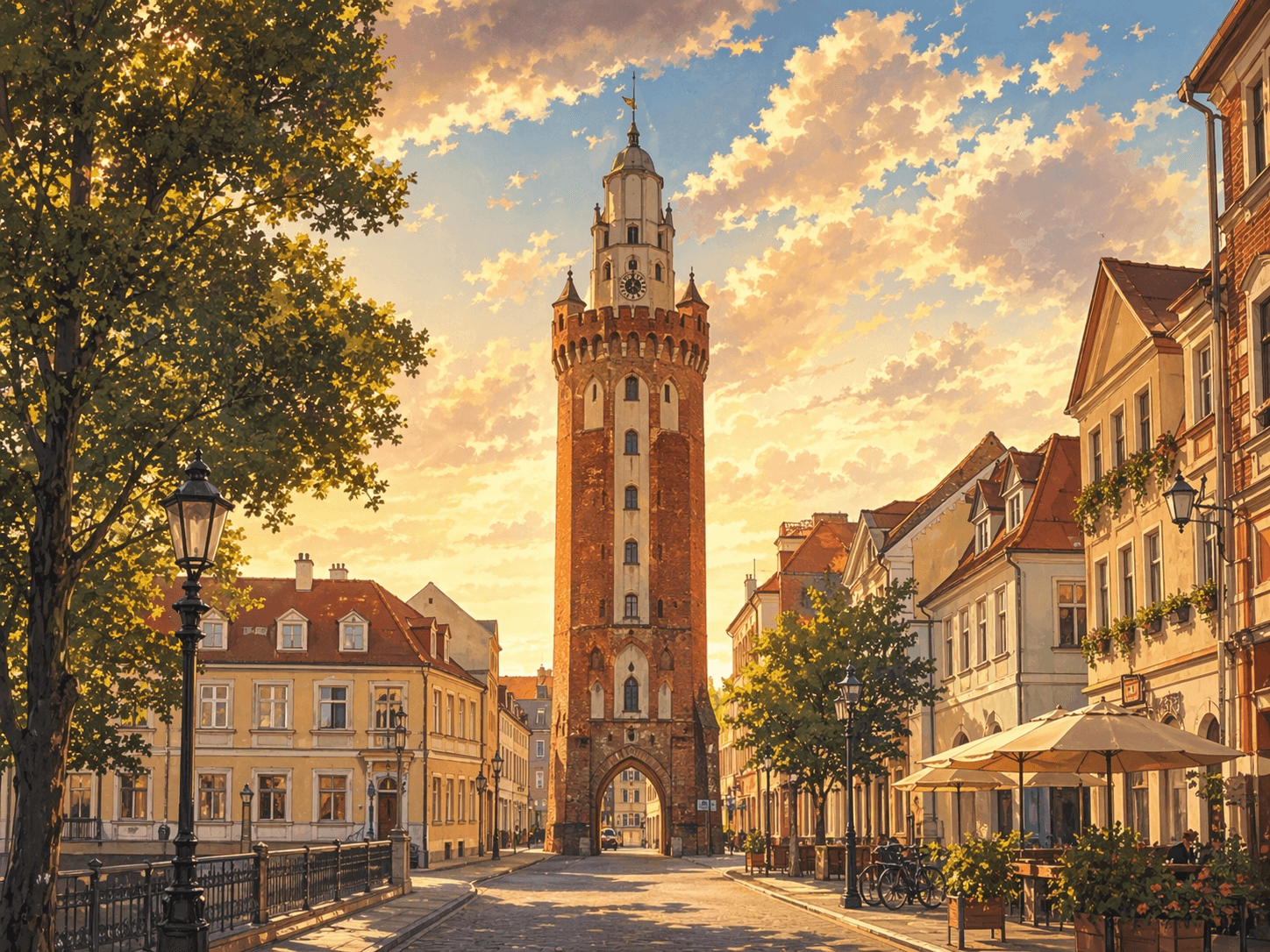
In March 2026, Cottbus set important impulses in urban renewal, construction planning, and neighborhood development. With conservation regulations, zoning plans, and the BauTurbo Act, the future of the Saxon state capital is being shaped—with a focus on citizen participation and climate protection.
Cottbus Builds the Future: Urban Development in March 2026
In March 2026, urban development was at the center of attention in Cottbus. With the adoption of conservation regulations, the introduction of the BauTurbo Act, and the planning of new neighborhoods, the city set important milestones for its urban future. The developments show a clear focus on sustainability, citizen participation, and infrastructure expansion—especially within the Lausitz Science Park and in the neighborhoods of the historic city center and suburbs.
Conservation Regulations as a Shield for the Cityscape
A central aspect of urban planning in Cottbus was the adoption of conservation regulations. The "Inner North Suburb" and "Inner South Suburb" Conservation Regulations and the Design Regulation for the Historic City Center of Cottbus serve to preserve the historical and architectural character of the city. They regulate future changes to buildings and access routes and establish clear legal foundations for the design of urban space.
In addition, a pre-emption right under § 24 of the German Building Code (BauGB) was granted to protect the cityscape. This enables the city to prioritize purchases within the scope of the conservation regulations. The regulations were adopted following extensive public participation, with citizen associations from Schmellwitz, Mitte, and Ströbitz actively involved.
BauTurbo Act Accelerates New Housing Construction
To advance the urgently needed housing supply, Cottbus implemented the BauTurbo Act, introduced in 2025. In March 2026, a general decision was made on the application of the law, valid for a period of twelve months.
The BauTurbo Act allows for accelerated processing of construction planning procedures, enabling projects to be implemented more quickly. In Cottbus, the procedure is conducted in parallel with regular B-Plan procedures, and not all projects need to go through the regular Building Committee. This is particularly beneficial in a more densely built urban area like Cottbus, where many projects are submitted simultaneously.
The Lausitz Science Park Gains Momentum
Another focus of urban planning was the Lausitz Science Park. In March 2026, zoning plans for three districts within the Science Park were adopted: the Neighborhood District, the Innovation District, and the Education Campus. These districts are intended to be designed in a modern, sustainable, and environmentally friendly way, with a focus on education, research, and innovation.
A central element is the Zoning Plan N/38/125-4, which applies to approximately 4.9 hectares in the district of Ströbitz. The goal is the development of a new residential district with approximately 1,100 housing units, combined with the provision of kindergarten and school places. A central green corridor with parks, retention areas, and recreational spaces is also planned. While the allotment gardens "Am Mühlberg" and "Roseneck" are affected, they will not be used until 2029.
Citizen Participation and Transparency as Success Factors
Although not every construction measure can be subject to public participation, Cottbus strongly emphasizes transparency and dialogue. Thus, citizen associations from Ströbitz, Schmellwitz, and Mitte were actively involved in the planning process. The Local Council of Groß Gaglow was informed about the zoning plan for the Chausseestraße and given the opportunity to submit comments.
The administration emphasizes that participation is not only formal but also substantive. This is particularly important in sensitive districts such as the historic city center or projects with significant social impact. The reporting obligation for BauTurbo projects within three months and the reports in the Building Committee underscore the transparency of the processes.
Outlook: Cottbus as a Model City of the Future
The measures in March 2026 show how Cottbus is positioning itself as a model city of the future: with a strong focus on sustainability, innovation, and citizen participation. The conservation regulations protect the cultural heritage, the Lausitz Science Park creates new impulses for economy and education, and the BauTurbo Act accelerates the necessary new housing construction.
In the coming months, it will be particularly interesting to observe how these projects translate into reality—and whether Cottbus can find a sustainable path into the future with this policy.
NeoSearch analyses public council documents, committee minutes and municipal announcements. Source references appear automatically once verified meeting data is available.
What does this mean for businesses?
Town halls, fire stations, depots and administrative buildings create early construction and refurbishment opportunities. Following council agendas reveals projects before they go to tender.
Track similar decisions in your region
Set up monitoring for public buildings & administration in Brandenburg — prefilled from this article.
Set up monitoring →More signals from Cottbus
Cottbus in Transition – April 2026: Economic Developments and Strategies for the Future
In April 2026, the city of Cottbus intensively addresses key topics in economic development. Alongside the transition to CO₂-neutral drive technologies in public transport and municipal heat planning, the current economic situation and the future of business succession are in focus. The following blog article analyses the most important decisions and developments of the month.
Read more → Education Policy in Cottbus: Challenges and Decisions in April 2026
In April 2026, Cottbus focused on important decisions in the areas of education and public institutions. The Committee for Education, Sports, Culture, and Sorbian/Wendish Affairs discussed, among other things, the future of school social work and the urgently needed rehearsal spaces for music groups. This blog analyzes the background, decisions, and their long-term implications.
Read more → Cottbus in April 2026: Urban Development, Climate Protection, and Mobility in Focus
In April 2026, Cottbus focused on the transformation of urban infrastructure, the development of the municipal heat plan, and the planning of future-oriented transport models. This blog analyzes the decisions made, their backgrounds, and their implications for the city’s future.
Read more →