Würzburg's Urban Development in April 2026: From Urban Beach to Climate Protection
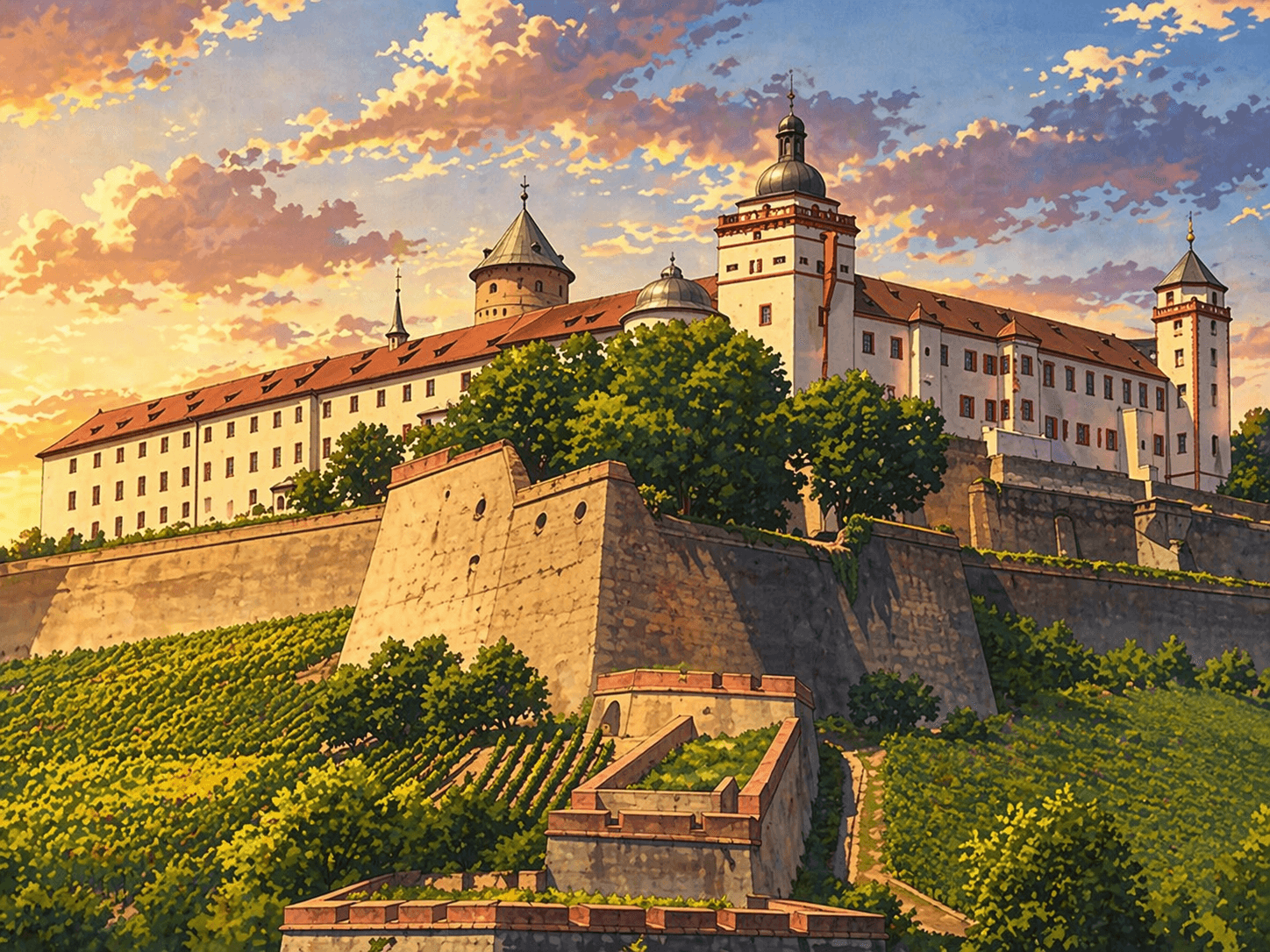
In April 2026, Würzburg focused on key steps in urban development, ranging from the construction of a new urban beach at Ludwigkai to climate-adapted projects and the redesign of playgrounds. Here is the analysis of the most important developments.
Urban Development in Würzburg: From Urban Beach to Climate Adaptation
Urban development in Würzburg is a dynamic field that not only influences the physical shape of the city but also the quality of life for its citizens. In April 2026, important decisions were made that affect both short-term impacts and long-term planning. From the new urban beach at Ludwigkai, the renovation of historic buildings, to climate protection measures – Würzburg is clearly in motion.
The New Urban Beach at Ludwigkai: A Symbol of Urbanity
One of the most striking projects decided in April 2026 is the urban beach at Ludwigkai. With a building permit, the establishment of a new cultural and social meeting place has been enabled. The operation is limited to the season from April to October and is intended to last until 2036. Particularly noteworthy is the deviation from the parking regulations: instead of the usual 133 car parking spaces, only one is required. This radical step underlines the focus on urban resource conservation and car-free leisure areas.
The operating hours (11:00–23:00) and the gastronomy planning are designed to appeal to both local and tourist guests. The urban beach will not only be a summer experience but also a model project for climate-friendly urban development. In a time when the climate crisis is becoming increasingly apparent, Würzburg, with this project, shows that urban leisure areas can also be designed in an ecologically responsible way.
Climate-Adapted Urban Development: From Cemetery to Construction
Another central topic was climate-adapted urban development, particularly at the Heidingsfeld Cemetery. A proposal for the creation of a green oasis with shade and cooling effects was initiated to increase the comfort of staying and at the same time to protect the climate. Such measures are not only important for the cemetery, but for urban development as a whole. They make it possible to use urban spaces in times of rising temperatures while promoting biodiversity at the same time.
However, the planning of such projects is not without challenges. The city administration must assess whether the areas are dispensable and whether the measures are to be implemented temporarily or permanently. Despite these administrative hurdles, interest in climate-resilient urban planning is high – not least because the building codes in the Building Energy Act (GEG) also require more climate protection.
Redefining Playgrounds: Inclusion and Sustainability
The development of playgrounds was also a focus of the April sessions. The preliminary design for the Lindleinstraße playground and the new layout in the Ringpark ("Am Gericht") were approved. Both projects aim to be barrier-free and inclusive. In addition, they are intended to be climate-resistant through modern materials and thoughtful design.
The financing of these projects is partly supported by state grants, which shows that in Würzburg, there is a desire for liveable, child-friendly urban areas. The support through the federal-state program "Lebendige Zentren" is a clear impulse to strengthen sustainability and inclusiveness in urban development.
From Zoning Plans to Mobility Concepts: Structural Change in the City
In the April session of the Committee for Construction and Public Order, the 5th amendment to the zoning plan "Heidingsfeld Süd" was also approved. This development and infrastructure plan provides for the conversion of a former nursery into an intergenerational housing project. The aim is to relieve the housing market and at the same time promote social diversity in the city. The planning also takes into account energy efficiency and the reduction of sealing – two decisive aspects in today's urban planning.
In addition, the Mobility Plan 2040 was adopted, which proposes overarching measures for improving mobility. Particularly noteworthy here is the traffic calming in the Old Town and Sanderau as well as the creation of barrier-free connections. The focus on pedestrian traffic and the promotion of cycle paths underline the change in Würzburg's mobility strategy.
Conclusion: Urban Development as an Answer to the Future
The April sessions in Würzburg show that urban development is not only a technical or construction-related issue, but a social and climate policy one. The construction of the urban beach, the climate-adapted redesign of green areas, the development of inclusive playgrounds, and the reorientation of mobility planning are examples of how a city can respond to the challenges of the future.
Würzburg is moving towards a sustainable, inclusive and liveable urban development – a process that not only changes architecture, but also the quality of life of the people. The next steps, especially in the implementation of the approved projects, will show whether this vision can be put into practice.
NeoSearch analyses public council documents, committee minutes and municipal announcements. Source references appear automatically once verified meeting data is available.
What does this mean for businesses?
Urban development, zoning plans and commercial settlements create early construction and supply opportunities. Following council decisions reveals projects before they go to tender.
Track similar decisions in your region
Set up monitoring for economic development in Bayern — prefilled from this article.
Set up monitoring →More signals from Wuerzburg
Würzburg's Financial Policy in April 2026: Budget Allocation and Investments in Focus
In April 2026, the city of Würzburg is setting important financial impulses in areas such as health promotion, neighborhood management, and infrastructure. An overview of the budget decisions and their implications.
Read more → Würzburg's Governance in April 2026: Structural Reforms, Transparency, and Inter-Party Cooperation
In April 2026, Würzburg’s City Council implemented decisive reforms in governance and administration. From the status of mayoral positions to public participation – an overview of the key developments.
Read more → Würzburg in April 2026: Decisions for the Future of the City
April 2026 brought numerous decisions and developments in Würzburg affecting urban planning, culture, mobility, and administration. Here is a monthly review of the most important topics.
Read more →