Würzburg in April 2026: Decisions for the Future of the City
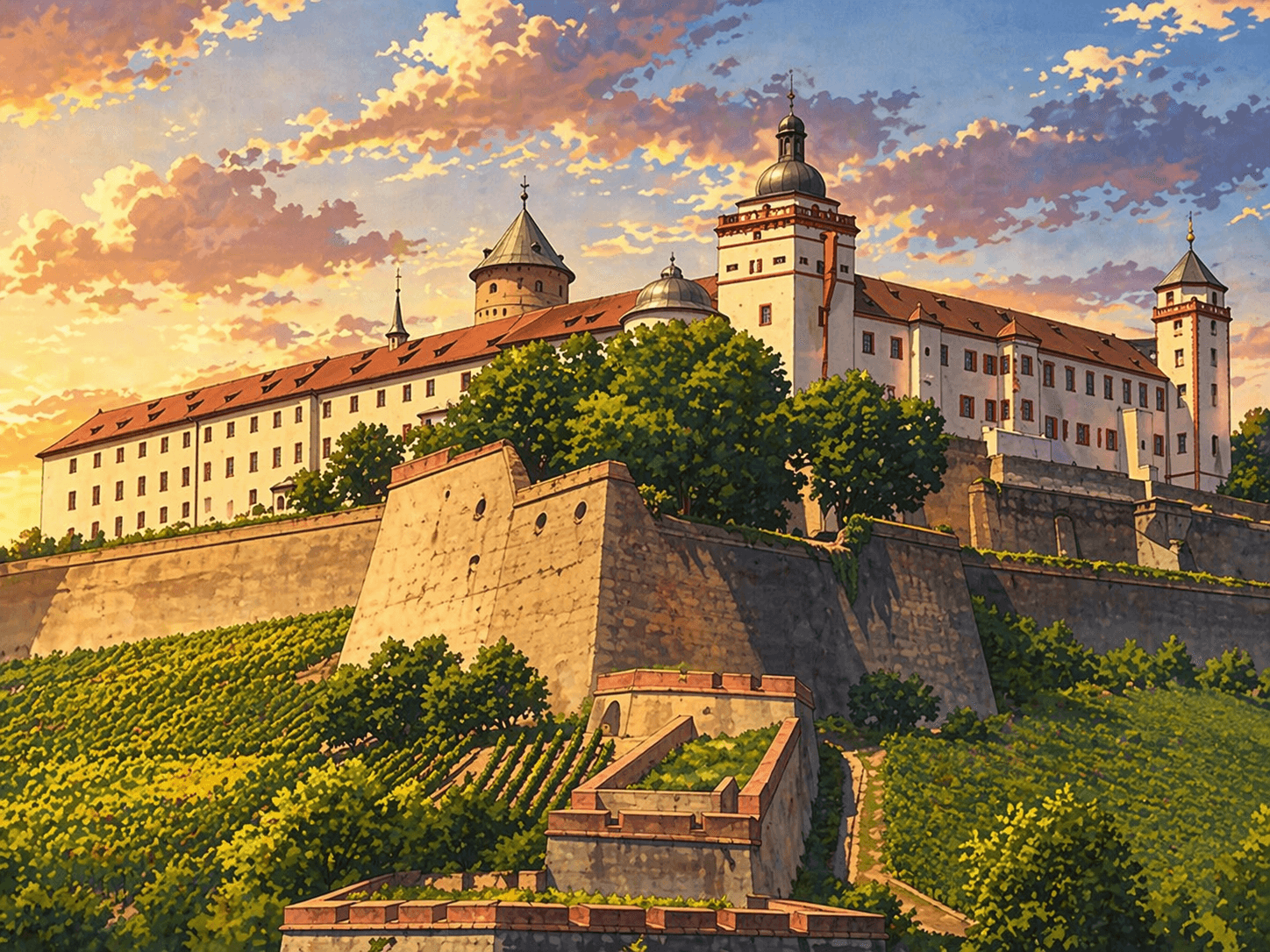
April 2026 brought numerous decisions and developments in Würzburg affecting urban planning, culture, mobility, and administration. Here is a monthly review of the most important topics.
For the City of the Future: April 2026 in Würzburg
What Was Important This Month
- The application deadline for the Spring Fair has been moved to September 30 of the previous year – providing more time for planning and promotion.
- A memorial to sexual violence in a church context is to be erected on Kiliansplatz – an important symbol of reconciliation and remembrance.
- The Mobility Plan 2040 was approved – a milestone for climate-friendly mobility in Würzburg.
- City Council sessions brought changes to the main charter: The 2nd Mayor will henceforth be an official on a fixed term, while the 3rd Mayor will be an honorary official.
- In the Planning and Environment Committee, a pedestrian traffic concept was approved – including an annual budget of 390,000 € for pedestrian traffic and the appointment of a pedestrian traffic officer.
Urban Development and Planning: New Directions Set
April 2026 was marked by important urban planning decisions. The 5th amendment to the zoning plan "Heidingsfeld Süd" was approved, allowing the "Wohnen am Gewächshaus" zoning plan to proceed to implementation. Additionally, the zoning plan "Residential Development at Rottendorfer Straße 40 & 44" was passed – another step in the development of the inner city.
The heritage protection list was also updated: The Artist's Villa with Workshop Buildings (Leistenstraße 81) and the Catholic Parish Center St. Andreas (Breslauer Straße 24) were added, while three movable monuments were removed. These decisions show how the city is preserving its cultural identity while also reshaping it.
Mobility and Environment: Focus on Sustainability
The Mobility Plan 2040 is a central milestone for Würzburg. It lays the foundation for a climate-friendly transportation policy and was unanimously approved by the City Council. The plan's recommendations are to be implemented as concrete measures, including a pedestrian traffic concept for the Old Town, Grombühl, Sanderau, and Zellerau.
This concept also decided that 390,000 € annually will be allocated for pedestrian traffic measures in the future. In addition, a pedestrian traffic officer is to be appointed – a clear signal for greater safety and comfort in the urban space.
Culture and Citizen Participation: Active Shaping of the City
The Ordinance on Special Uses in the Pedestrian Zones "Inner City" and "Heuchelhof" was unanimously approved and replaces the old ordinance from 1973. This allows for modern and flexible use of the inner city – especially for gastronomy and culture.
Another highlight was the approval of minutes from several sessions, which strengthens transparency and citizen participation. In addition, a new § 3a was added to the Shop Closing Ordinance, allowing Sunday opening during the Heidingsfeld City Festival – a benefit for local businesses and the population.
Overview: Structural and Personnel Changes
In the 107th session of the City Council, an inter-party motion to amend the main charter was passed: The 2nd Mayor will now be an official on a fixed term, and the 3rd Mayor will be an honorary official. This change introduces flexibility into the administrative structure and creates new role models in local politics.
In addition, representatives for the General Assembly of the Bavarian Cities Association 2026 were named: Dr. Sandra Vorlová (Green Party faction) and Dr. Adolf Bauer (CSU faction). These representatives will henceforth represent Würzburg's interests in Bavarian municipal politics.
Outlook: What's Next?
April 2026 has shown how diverse the topics in local politics are: from urban development and mobility to citizen participation. The approved measures form a solid foundation for the coming months – especially in terms of the climate-friendly development of the city and the preservation of its cultural identity.
In May, the focus will be on the implementation of the approved plans, particularly in the areas of pedestrian traffic and zoning planning. In addition, preparations for the Spring Fair are in full swing – with the new application deadline giving the city more time to collect creative and diverse ideas.
Final Verdict with Outlook
April 2026 was a month of decisions in Würzburg. With the approval of zoning plans, the introduction of new mobility strategies, and the updating of the administrative structure, the city has set important course corrections for the future. Citizens can look forward to more transparency, more culture, and more sustainability – not only in the coming months, but for the years to come.
In this spirit: Würzburg is on the move – and in the right direction.
NeoSearch analyses public council documents, committee minutes and municipal announcements. Source references appear automatically once verified meeting data is available.
What does this mean for businesses?
Urban development, zoning plans and commercial settlements create early construction and supply opportunities. Following council decisions reveals projects before they go to tender.
Track similar decisions in your region
Set up monitoring for economic development in Bayern — prefilled from this article.
Set up monitoring →More signals from Wuerzburg
Würzburg's Financial Policy in April 2026: Budget Allocation and Investments in Focus
In April 2026, the city of Würzburg is setting important financial impulses in areas such as health promotion, neighborhood management, and infrastructure. An overview of the budget decisions and their implications.
Read more → Würzburg's Governance in April 2026: Structural Reforms, Transparency, and Inter-Party Cooperation
In April 2026, Würzburg’s City Council implemented decisive reforms in governance and administration. From the status of mayoral positions to public participation – an overview of the key developments.
Read more → Würzburg's Urban Development in April 2026: From Urban Beach to Climate Protection
In April 2026, Würzburg focused on key steps in urban development, ranging from the construction of a new urban beach at Ludwigkai to climate-adapted projects and the redesign of playgrounds. Here is the analysis of the most important developments.
Read more →