Regensburg's Urban Development in March 2026: From Planning to Implementation
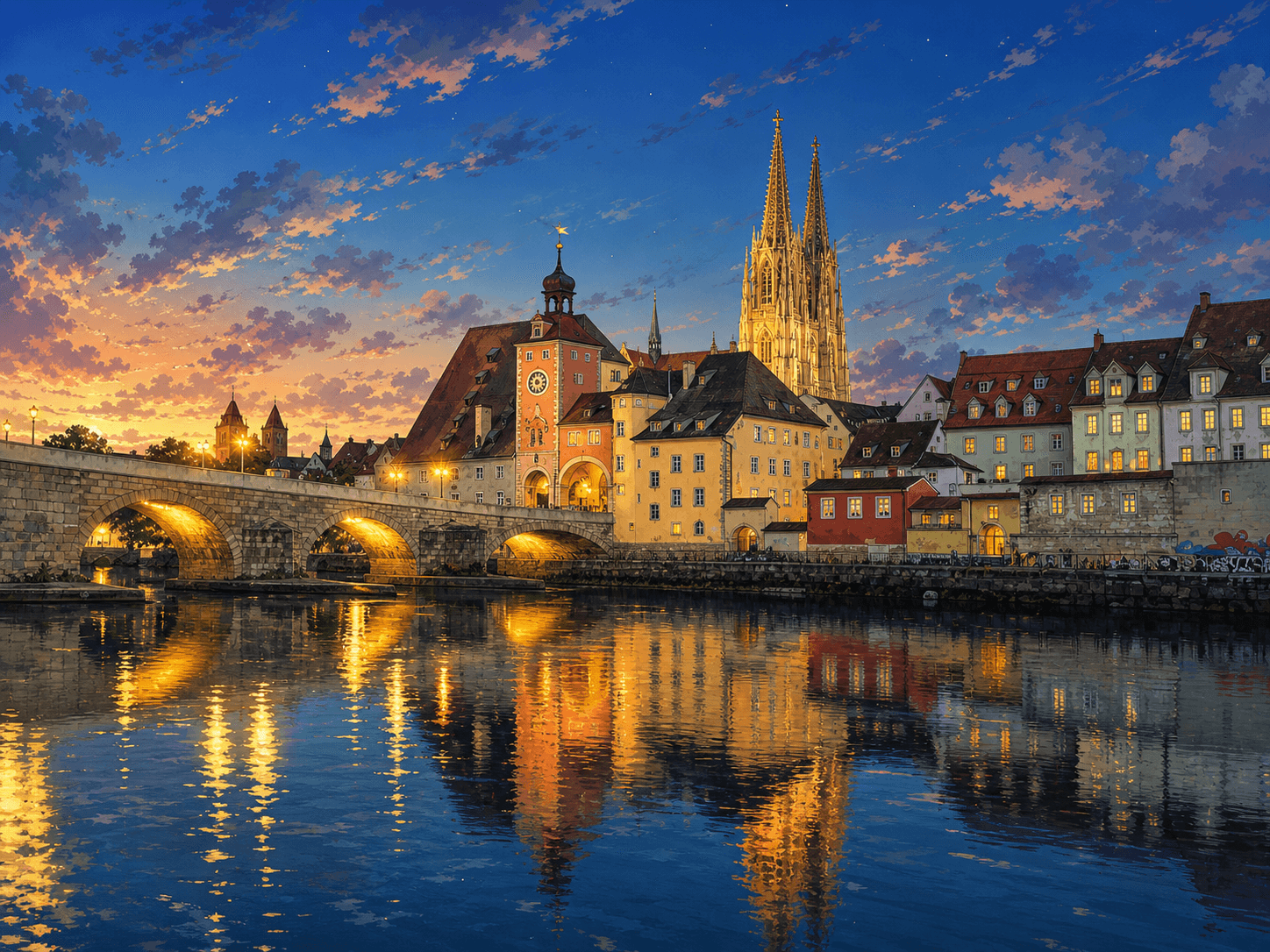
In March 2026, the city of Regensburg launched strong impulses in several urban and infrastructural projects. From the redesign of Emmeramsplatz to the expansion of cycling infrastructure and the revitalization of the old town – the focus was on sustainability, mobility, and social cohesion.
Regensburg's Urban Development: Between Planning and Implementation
Urban development is a central factor for the future viability of cities. In recent years, Regensburg has established itself as a pioneer in areas such as climate protection, mobility, and social housing. In March 2026, several key planning steps and projects came to the forefront, paving the way for future developments.
Urban Development Preliminary Studies and Renovation Areas
In March 2026, the city of Regensburg completed the urban development preliminary study for Reinhausen and developed integrated development concepts (ISEK) for Reinhausen-West and Reinhausen-East. These initiatives aim to identify long-term action areas, such as green space, energy efficiency, and social infrastructure.
Particularly noteworthy is the examination of a historic preservation area according to § 172 BauGB for Alt-Reinhausen. This step illustrates how Regensburg seeks to protect historical structures without losing sight of social and infrastructural progress.
Mobility and Transportation Infrastructure
Another central theme was the restructuring of the Regensburg Transport Network (RVV), which will become the RVV GmbH from 2027. The city holds 51% of the shares and assumes proportional costs. This step is part of a comprehensive strategy to strengthen public transport while simultaneously reducing individual car traffic.
Additionally, a planning decision was made for the expansion of Wernerwerkstraße, including cycle lanes, sidewalks, and bus stops. The cost of this project amounts to around 1.5 million euros. Another project is the enhancement of the main cycle route rr10 between Dieselstraße and the Kunstpark – a gap closure in the regional cycling infrastructure that aims to improve traffic safety and attractiveness.
Climate Protection and Sustainable Urban Design
Climate protection in Regensburg is not just a lip service – it is part of municipal planning. The Emmeramsplatz will be redesigned as a "climate oasis" in the future, with green spaces, tree planting, and decentralized stormwater management. This project is part of the ISEK "Central Old Town" and will be implemented from 2027. The financing comes from savings from other projects, demonstrating that climate protection can also be financially sound.
Another example is the completed Municipal Monument Concept (KDK) in 2026, which integrates modern technologies such as solar energy into protected buildings and serves as a model for other cities. The Monument Solar Atlas will be publicly accessible in 2026, promoting transparency and imitability.
Financing and Legal Foundations
Financing municipal projects remains a sensitive issue. The funds for the expansion of Wernerwerkstraße come from the special reserve "Parking Space Buyout," showing how Regensburg strategically uses existing resources. Likewise, the redesign of Emmeramsplatz will be carried out without new funds, reflecting good budget planning.
Legal aspects are equally crucial. For example, the application by the CSU city council faction to classify Georg-Herbst-Straße as a restricted public road was rejected. Instead, a legally secure trial phase is being examined, showing how Regensburg attempts to reconcile citizens' interests with legal security.
Outlook: From Planning to Implementation
The measures adopted in March 2026 demonstrate how Regensburg positions itself as a modern, sustainable city. With projects such as the SUMP (Sustainable Mobility Plan), the restructuring of the RVV, and climate protection planning, the city is not only pursuing long-term visions but also concrete, implementable steps.
In the coming months and years, the focus will be on implementing these plans – with citizen participation, transparent financing, and urban planning courage. Regensburg proves that urban development not only means change but also preserves identity and shapes the future.
NeoSearch analyses public council documents, committee minutes and municipal announcements. Source references appear automatically once verified meeting data is available.
What does this mean for businesses?
Urban development, zoning plans and commercial settlements create early construction and supply opportunities. Following council decisions reveals projects before they go to tender.
Track similar decisions in your region
Set up monitoring for economic development in Bayern — prefilled from this article.
Set up monitoring →More signals from Regensburg
Regensburg's Educational Policy in April 2026: From Remembrance Work to School Closures
In April 2026, Regensburg's Education Committee addressed key topics – from the creation of a place for encounters to the future of the Vocational Upper School for Economics to support for educational projects through the Discretionary Fund. An overview of the most important decisions.
Read more → Regensburg's Sports Development Plan 2040: How the City is Shaping Tomorrow's Sports
In April 2026, Regensburg’s Sports Committee took the first step toward the Sports Development Plan 2040. We analyze the goals and challenges at hand – and the role citizens, associations, and institutions will play.
Read more → Youth Policy in Regensburg: Investments, Inclusion, and Future Visions in April 2026
In April 2026, the city of Regensburg set important impulses in youth policy through several decisions. From the renovation of youth centers and the expansion of playgrounds to new cultural initiatives – the focus was on securing spaces, inclusion, and the participation of young people.
Read more →