Environment and Climate in Nuremberg: April 2026 – Focus on Waste, Heat, and Water
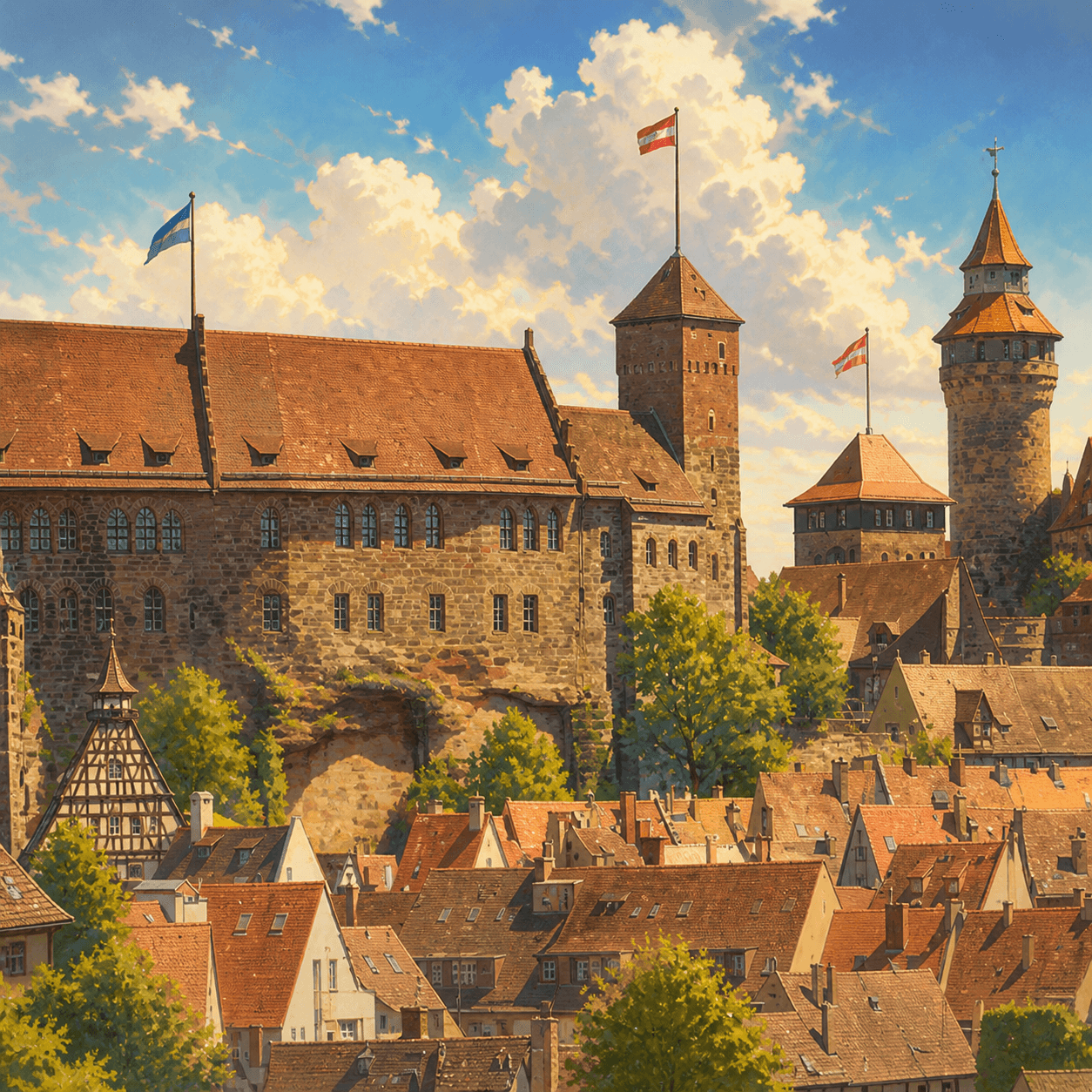
In April 2026, Nuremberg focused on key measures for climate protection, waste management, and drinking water supply. The Environmental Committee and other bodies provided impetus for climate-resilient urban development.
Climate Protection and the Environment: Nuremberg in April 2026
In a month already showing early signs of climate change with rising temperatures, Nuremberg took decisive steps in environmental and climate policy in April 2026. Discussions on waste management, heat action planning, and drinking water supply illustrate the multifaceted challenges a modern city must address in the context of the climate crisis.
2025 Waste Report and the "Circular Department Store"
The 2025 Waste Report, discussed in April 2026, provides a comprehensive overview of waste development in Nuremberg. In recent years, the city has focused on material recycling and thermal treatment, while also addressing issues such as illegal waste dumping and public outreach. A central project presented in this context is the "Circular Department Store." The goal is to reach all population groups and offer opportunities for sustainable consumption. Studies on feasibility and cost allocation were submitted, indicating the transition to concrete planning.
Heat Action Plan: Mid-Term Review and Outlook
The Heat Action Plan (HAP-acute), adopted in 2022, was again on the agenda of the Environmental Committee in April 2026. The current interim report summarized four years of implementation and highlighted key components: creating cooler spaces, ensuring the drinking water supply, and public awareness campaigns. Given the meteorological data for 2025—one of the ten warmest years on record—the necessity of these measures is evident. Particularly the driest spring since 1956 and heavy rainfall events in September illustrate the need for a differentiated, long-term strategy. Heat protection is now also discussed in Health and Social Committees to consider the impacts on different population groups.
Expansion of Drinking Fountains: Groundwater for All
Another central topic was the strategic expansion of drinking fountains in Nuremberg. The administration was tasked with developing a concept based on a demand analysis, particularly considering thermally stressed and socially vulnerable districts. The installation of water meters at new and renovated fountains, as well as the modernization of existing facilities, is intended to increase the efficiency and transparency of these measures. Additionally, a mobile drinking fountain will be used to test seasonal locations, showing that the city wants to flexibly respond to changing climatic conditions.
Eco-Model Region and Watercourse Development
Nuremberg is part of the Eco-Model Region with Nuremberg-Fürth and Roth, supported by Bavaria until 2030. In April 2026, the focus was on the impact report of the past three years and the planning for the next funding phase. The city receives financial support, although it must also cover a share of personnel costs. In addition, a report on the exposure and renaturation of streams was approved. The goal is to uncover and ecologically enhance underground streams—a step that not only serves climate protection but also enhances the quality of life in the city. The administration was tasked with integrating these plans into urban development procedures at an early stage to leverage synergies.
Conclusion: A City in Transition
April 2026 has shown that Nuremberg is actively addressing the challenges of climate change. Whether in the areas of waste management, heat adaptation, or drinking water supply, the city is relying on comprehensive concepts that include both short-term measures and long-term strategies. Collaboration with various committees and the involvement of the public in planning are crucial. With projects such as the "Circular Department Store" or the renaturation of streams, Nuremberg demonstrates that climate protection is not only a technical but also a social task.
NeoSearch analyses public council documents, committee minutes and municipal announcements. Source references appear automatically once verified meeting data is available.
What does this mean for businesses?
Municipal heat planning, photovoltaics and climate measures create early project indicators. Following council decisions surfaces sites and tenders before they are publicly advertised.
Track similar decisions in your region
Set up monitoring for environment & climate in Bayern — prefilled from this article.
Set up monitoring →More signals from Nuernberg
Youth Policy in Nuremberg: Outlook, Sustainability, and Digital Opportunities in April 2026
In April 2026, Nuremberg focused on key decisions and initiatives in youth policy. The Youth Welfare Committee reflected on the past council period, presented plans for the future, and promoted sustainability and digital opportunities in youth organizations.
Read more → Social Policy in Nuremberg: Focus on Violence Prevention and Senior Policy in April 2026
In April 2026, Nuremberg made significant progress in implementing the Istanbul Convention, gender equality work, and senior policy. The Social Committee discussed comprehensive measures to combat domestic violence and to enhance the quality of life for older people.
Read more → Governance and Administration in Nuremberg – April 2026 in Focus
In April 2026, Nuremberg focused on a range of decisions in the areas of governance and administration. From citizen initiatives to personnel and financial measures, to urban structural projects – the city is setting impulses for transparency, efficiency, and future viability.
Read more →