Nuremberg in Focus: Environment and Climate in February 2026
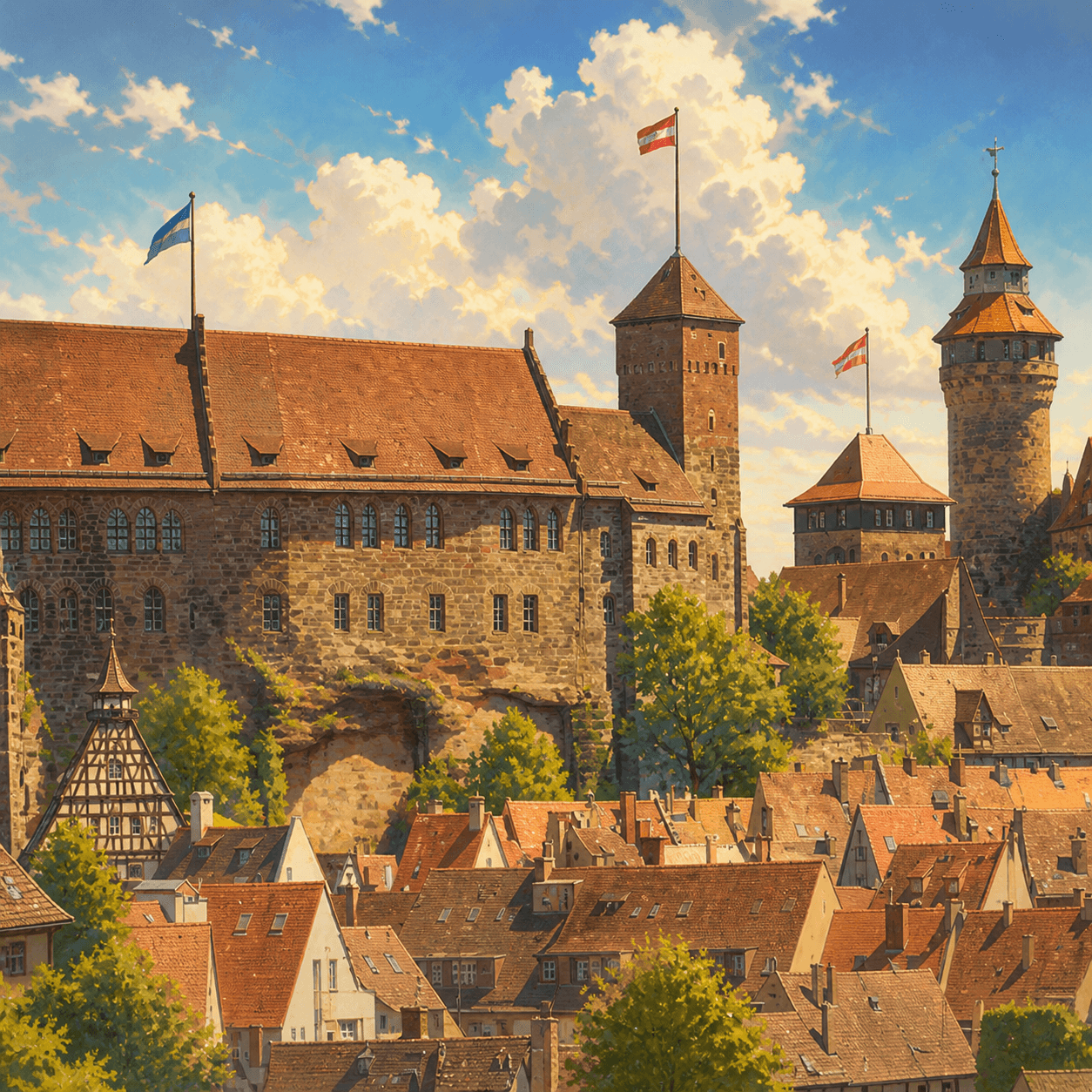
In February 2026, several key topics in environmental and climate policy were at the center of attention in Nuremberg. The Environmental Committee addressed nature conservation, hedgehog and building-nesting bird protection, and urban gardening. At the same time, a key decision on the thermal treatment of sewage sludge was discussed.
Environment and Climate in Nuremberg: The Central Topics in February 2026
In February 2026, environmental and climate policy in Nuremberg was particularly active. The city engaged intensively with topics such as nature conservation, biodiversity, urban gardening, and sustainability in the wastewater sector. A series of committee meetings discussed key decisions that touched on both ecological and social dimensions.
Nature Conservation: Designation of the Ziegellach as a Nature Reserve
A central topic in the Environmental Committee meeting was the current status of the designation of the Ziegellach as a nature reserve. This river section is considered particularly valuable for the regional flora and fauna. The proposal was submitted by the SPD City Council faction in July 2025, and the Government of Middle Franconia reported on the progress. However, financial details remained unclear. The costs for the designation and protection of the area have not yet been fully calculated, sparking political discussions within the committee. The designation would not only strengthen the ecological value of the region but also contribute to climate resilience in the long term.
Biodiversity Protection: Hedgehogs and Building-Nesting Birds
Another focus was the protection of biodiversity in urban areas. The report on hedgehog protection in Nuremberg, initiated by the Greens in November 2024, highlighted potential threats from technologies such as lawnmowers. The city is being urged to develop concrete measures for protection planning.
The protection of building-nesting birds – birds that nest in urban environments – was also a central topic. Proposals from both the CSU and the Greens called for the preservation of quarters essential for these species. The administration is to suggest concrete protective measures to ensure long-term biodiversity in the city.
Urban Gardening: Neighborhood and Sustainability
Urban gardening is gaining increasing popularity in Nuremberg. In the Environmental Committee meeting, it was reported on how civil society initiatives, in cooperation with the city, are creating gardens that not only provide food but also promote social interaction and intercultural exchange. The association Bluepingu e.V. / Edible City plays a key role here. In addition, urban gardening is a central component in the preparations for the urban state horticultural show in 2030, which is being planned in a participatory manner.
Sewage Sludge Disposal: Costs and Sustainability
Another key decision concerned the thermal disposal of dewatered sewage sludge. The SUN Works Committee decided on the award of a contract for the period 2026–2028, with a volume of 90,000 tons and a total value of 10.8 million euros. The decision was financed from ongoing funds of the success plan. However, a legally mandated phosphorus recovery is required from 2029 onwards, which is why the contracts were time-limited. This shows how the city is preparing for future requirements in the field of climate and resource protection.
Outlook: A City in Transition
The February meetings show that Nuremberg is actively responding to the challenges of climate change and the loss of biodiversity. By designating nature reserves, protecting animal species, and promoting sustainable projects such as urban gardening, the city is pursuing a holistic environmental concept. At the same time, financial and legal framework conditions remain decisive factors that will influence future measures. The city is on a path to further develop its role as a model climate city.
NeoSearch analyses public council documents, committee minutes and municipal announcements. Source references appear automatically once verified meeting data is available.
What does this mean for businesses?
Municipal heat planning, photovoltaics and climate measures create early project indicators. Following council decisions surfaces sites and tenders before they are publicly advertised.
Track similar decisions in your region
Set up monitoring for environment & climate in Bayern — prefilled from this article.
Set up monitoring →More signals from Nuernberg
Youth Policy in Nuremberg: Outlook, Sustainability, and Digital Opportunities in April 2026
In April 2026, Nuremberg focused on key decisions and initiatives in youth policy. The Youth Welfare Committee reflected on the past council period, presented plans for the future, and promoted sustainability and digital opportunities in youth organizations.
Read more → Social Policy in Nuremberg: Focus on Violence Prevention and Senior Policy in April 2026
In April 2026, Nuremberg made significant progress in implementing the Istanbul Convention, gender equality work, and senior policy. The Social Committee discussed comprehensive measures to combat domestic violence and to enhance the quality of life for older people.
Read more → Governance and Administration in Nuremberg – April 2026 in Focus
In April 2026, Nuremberg focused on a range of decisions in the areas of governance and administration. From citizen initiatives to personnel and financial measures, to urban structural projects – the city is setting impulses for transparency, efficiency, and future viability.
Read more →