Ingolstadt Invests in Intelligent Mobility: Focus on Timetable Optimization and Autonomous Driving
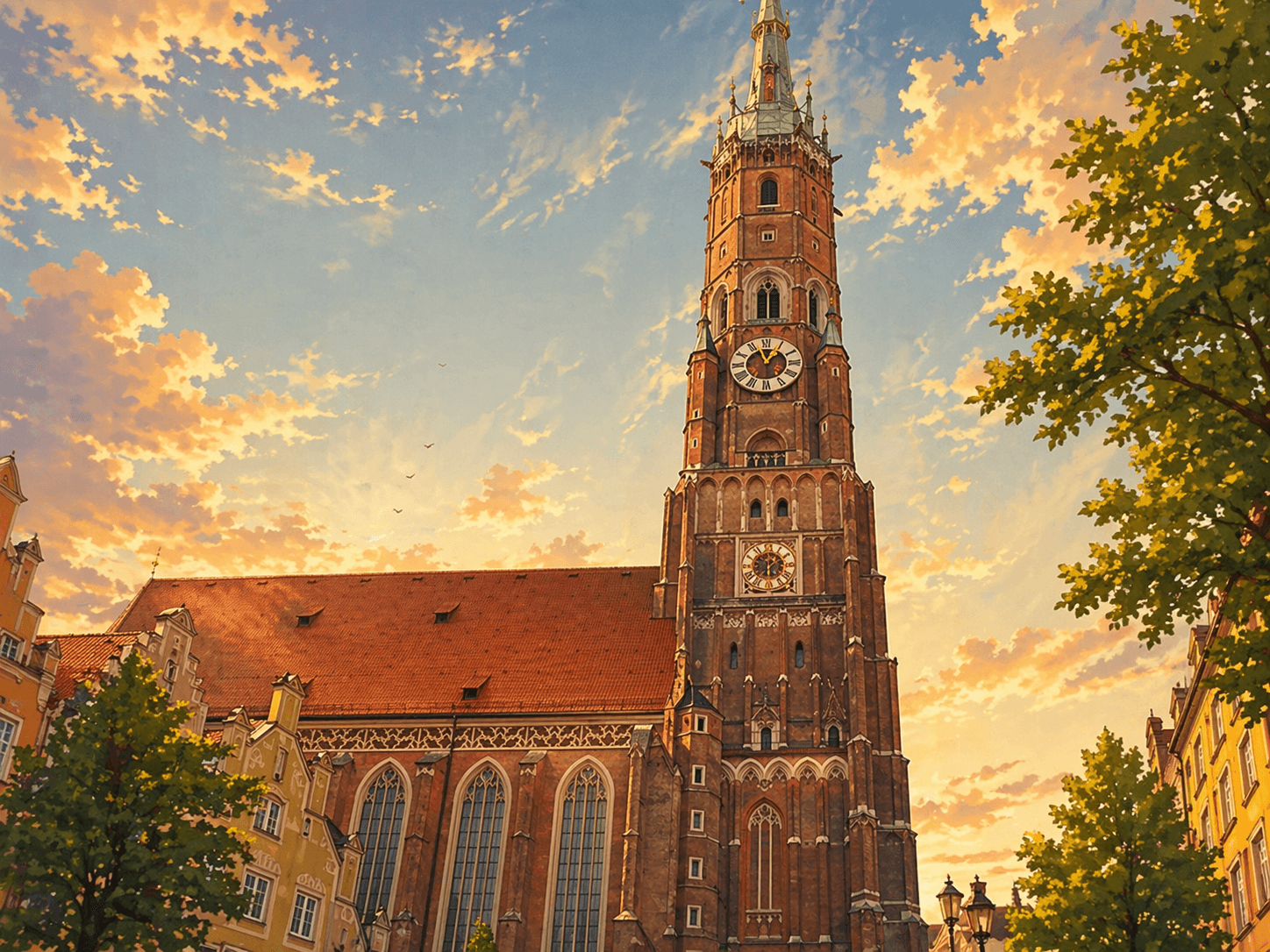
In March 2026, the future of mobility takes center stage in Ingolstadt. With comprehensive timetable measures and the introduction of autonomous shuttle buses, the city is demonstrating how it intends to make public local transport more efficient and sustainable.
Ingolstadt Invests in Intelligent Mobility: Focus on Timetable Optimization and Autonomous Driving
Public local transport (ÖPNV) in Ingolstadt is not only a central element of urban planning but also a key topic in the discussion on sustainability, efficiency, and future viability. In March 2026, several decisions were made that are intended to fundamentally change mobility in the region. At the center are two aspects: the optimization of the timetable and the introduction of autonomous driving.
Timetable Measures: Efficiency Through Consolidation
The Ingolstädter Verkehrsgesellschaft mbH (INVG) has decided on several timetable measures in March 2026, which will be implemented through the summer. The goal is to make public transport more efficient without restricting the services offered to the population.
Lines 55 and 85 will be combined into the new Line 350 starting May 1, 2026. This creates parallel traffic between Eitensheim and Ingolstadt, strengthening the connection between these regions. Likewise, Lines 15, 9223, and N4 will be merged into Line 315 starting August 1, 2026. This line will operate at a 30-minute interval in the future. The night line N4 is also being adjusted: it will now start at 8:30 p.m. and run until 12:30 a.m. at a 60-minute interval.
These measures will result in savings of around 250 TEUR per year. At the same time, the offer during peak hours remains high: reinforcement buses ensure that the timetable quality remains at the level of a 15-minute interval.
Lines 50, 60/61: Adaptation to School Hours and Summer Timetable
Further changes affect Lines 50, 60, and 61. Effective March 30 and September 15, 2026, Line 50 will switch to a 40-minute interval, with modifications adapted to school schedules. Lines 60 and 61 will be merged into a unified Line 61 and will operate at a 30-minute interval in the future—both on weekdays, Saturdays, and during school holidays.
Especially during the summer holidays, users benefit from a consistent 30-minute interval for Line 61, improving mobility in the city center and surrounding areas. These measures contribute to annual savings of approximately 978 TEUR and show how Ingolstadt aims to modernize public transport in times of tight budgets.
Autonomous Driving: The Future of Mobility in Ingolstadt
In addition to the optimization of the timetable, the topic of autonomous driving is another focal point in Ingolstadt. At a meeting of the supervisory board of Stadtbus Ingolstadt GmbH on March 19, 2026, it was discussed how autonomous driving can be integrated into public transport.
Autonomous shuttle buses will operate in the future on fixed routes in the city center at low speeds. In rural areas, they could serve as feeder services and close mobility gaps. Potential areas of application also include campus grounds, trade fairs, and leisure parks. Benefits such as optimized route planning, lower operating costs, barrier-free mobility, and CO₂ reduction make autonomous driving attractive—although challenges remain.
Currently, in Germany, a person must always be on board who can intervene in an emergency. In addition, legal regulations, technical reliability, and cybersecurity must be considered. Passenger trust is another central issue.
For Ingolstadt, cooperation with regional partners such as the Ingolstadt University of Applied Sciences (THI), the Catholic University of Eichstätt-Ingolstadt, and the Chamber of Industry and Commerce (IFG) is crucial. Nicole Hinterberger, mobility innovation manager at the IFG, is responsible for the topic. The management is also tasked with analyzing and specifically utilizing funding opportunities from the federal government and the Free State.
Outlook: A Mobility Strategy for the Future
The measures taken in March 2026 show how Ingolstadt is shaping public transport for the future. By optimizing timetables and consolidating services, efficiency is increased without disadvantaging the population.
At the same time, the city is investing in innovation: autonomous driving could become a decisive addition to public transport in the coming years—especially in peripheral areas and for special requirements such as barrier-free mobility.
The coming months will show how these plans are implemented in practice. But one thing is already clear: Ingolstadt is not just aiming to maintain the status quo, but is actively shaping the future of mobility.
NeoSearch analyses public council documents, committee minutes and municipal announcements. Source references appear automatically once verified meeting data is available.
What does this mean for businesses?
Town halls, fire stations, depots and administrative buildings create early construction and refurbishment opportunities. Following council agendas reveals projects before they go to tender.
Track similar decisions in your region
Set up monitoring for public buildings & administration in Bayern — prefilled from this article.
Set up monitoring →More signals from Ingolstadt
Urban Development in Ingolstadt – Focus on April 2026
In April 2026, Ingolstadt will look back on a range of urban developments and construction projects. The focus is on childcare provision, expanded housing options, energy efficiency measures, and the development of new leisure areas. In this blog article, we analyze the most important projects and developments in urban development.
Read more → Health Policy in Ingolstadt: Structural Adjustments and New Mandates
In April 2026, Ingolstadt made important decisions in the field of healthcare. The hospital joint venture and the Ingolstadt Hospital stood in the spotlight – both in terms of organizational adjustments and financial security.
Read more → Culture and Community in Ingolstadt: Focus on the Cultural Advisory Board April 2026
In April 2026, important cultural decisions and planning were at the forefront in Ingolstadt. The Cultural Advisory Board discussed the future of cultural infrastructure, funding, and anniversary projects.
Read more →