Governance in Ingolstadt: More Transparent than Ever – Analysis of April 2026
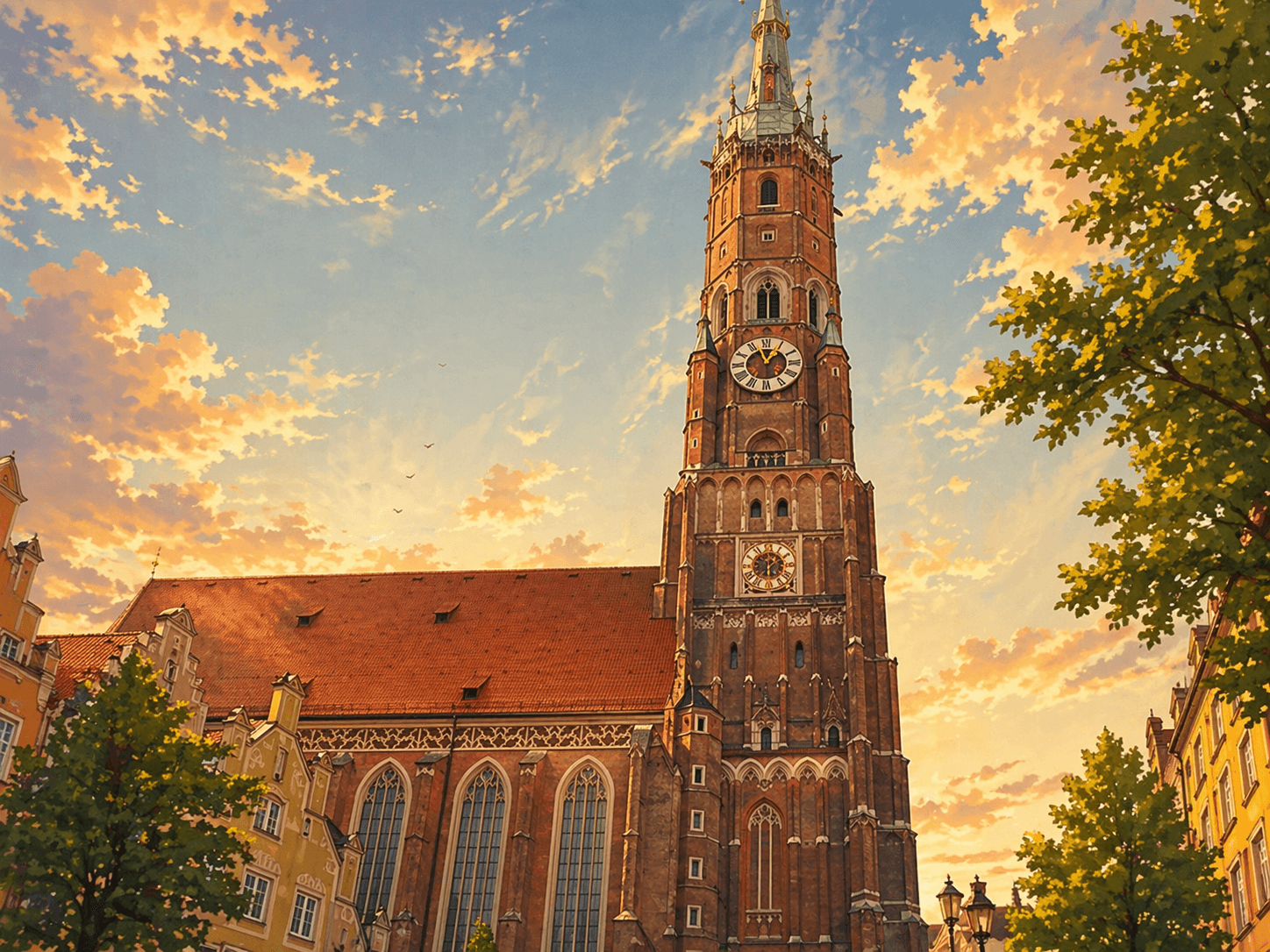
April 2026 marks an intense political month in Ingolstadt. Numerous meetings, proposals, and discussions illustrate how the city is further developing and making its governance structure more transparent.
Governance and Administration in Ingolstadt: A Transparent April 2026
The city of Ingolstadt has demonstrated itself as a model for transparent and citizen-oriented governance in April 2026. Multiple meetings, political proposals, and discussions highlight how local politics in Ingolstadt is evolving. The focus was particularly on the involvement of citizens, the structure of political committees, and the traceability of decision-making processes.
The Active Role of City Council Fractions
April brought a wide range of city council proposals and joint motions submitted by the eleven active factions. The CSU, SPD, Alliance 90/The Greens, Free Voters (FW), AfD, UWG, BGI, UDI, The Left, Greens, FDP, JU as well as FDP/JU and The Left/Greens actively contributed to the political debate. Particularly noticeable was the high number of joint proposals dealing with cross-party issues such as climate protection, digitalization, and administrative reform.
The diversity of factions reflects the political landscape of Ingolstadt and shows that even smaller groups like the UWG or the BGI can exert influence. The submission of proposals is not just a formality, but often marks the beginning of an intense discussion that can span several meetings.
Transparent Committee Work and Public Relations
Another central theme in April was the public accessibility of committee meetings. On April 14, 2026, the non-public meeting of the Board of Directors of VGI AöR took place, while the meeting of the Supervisory Board of Stadtbus Ingolstadt GmbH on April 21, 2026 was also non-public. These decisions on non-public meetings were met with criticism from some civil rights groups, as they could potentially affect the transparency of the decision-making process.
Nevertheless, the city of Ingolstadt remains generally known for its transparency policy. Access to meeting minutes is still possible, and the digital distribution of city council proposals and minutes has been expanded. In this regard, the criticism regarding non-public meetings remains an isolated case that does not endanger the general transparency policy framework.
The Role of the Mayors and the Mayor
The work of the two mayors, Dr. Dorothea Deneke-Stoll and Petra Kleine, as well as the mayor Dr. Michael Kern, was also in focus in April. They were responsible not only for the administration of the city, but also for implementing the political directions emerging from the city council debates. Particularly in issues such as administrative reform and the financial planning for 2027, clear positions became apparent, supported or critically accompanied by the factions.
The collaboration between politics and administration is crucial here. The office bearers and local spokespersons acted as a link between the factions and the administration, optimizing communication channels. This is a decisive factor for the efficiency and acceptance of governance in Ingolstadt.
Outlook: What Comes After April?
If April 2026 is an indicator for the future of governance in Ingolstadt, the city appears to be on the right track. The diversity of political opinions, the willingness to cooperate, and the ongoing transparency form the basis for a democratic and citizen-oriented administration. Critical voices, especially regarding the non-public meetings, must, however, be taken seriously in order to strengthen the basis of trust.
In May 2026, it will likely be about the concrete implementation of some of the city council proposals. The political committees will decide which projects are prioritized, and the citizens can actively influence the process through their participation and feedback.
NeoSearch analyses public council documents, committee minutes and municipal announcements. Source references appear automatically once verified meeting data is available.
What does this mean for businesses?
Town halls, fire stations, depots and administrative buildings create early construction and refurbishment opportunities. Following council agendas reveals projects before they go to tender.
Track similar decisions in your region
Set up monitoring for public buildings & administration in Bayern — prefilled from this article.
Set up monitoring →More signals from Ingolstadt
Urban Development in Ingolstadt – Focus on April 2026
In April 2026, Ingolstadt will look back on a range of urban developments and construction projects. The focus is on childcare provision, expanded housing options, energy efficiency measures, and the development of new leisure areas. In this blog article, we analyze the most important projects and developments in urban development.
Read more → Health Policy in Ingolstadt: Structural Adjustments and New Mandates
In April 2026, Ingolstadt made important decisions in the field of healthcare. The hospital joint venture and the Ingolstadt Hospital stood in the spotlight – both in terms of organizational adjustments and financial security.
Read more → Culture and Community in Ingolstadt: Focus on the Cultural Advisory Board April 2026
In April 2026, important cultural decisions and planning were at the forefront in Ingolstadt. The Cultural Advisory Board discussed the future of cultural infrastructure, funding, and anniversary projects.
Read more →