April 2026: Climate Protection, Culture, and Mobility in Ingolstadt
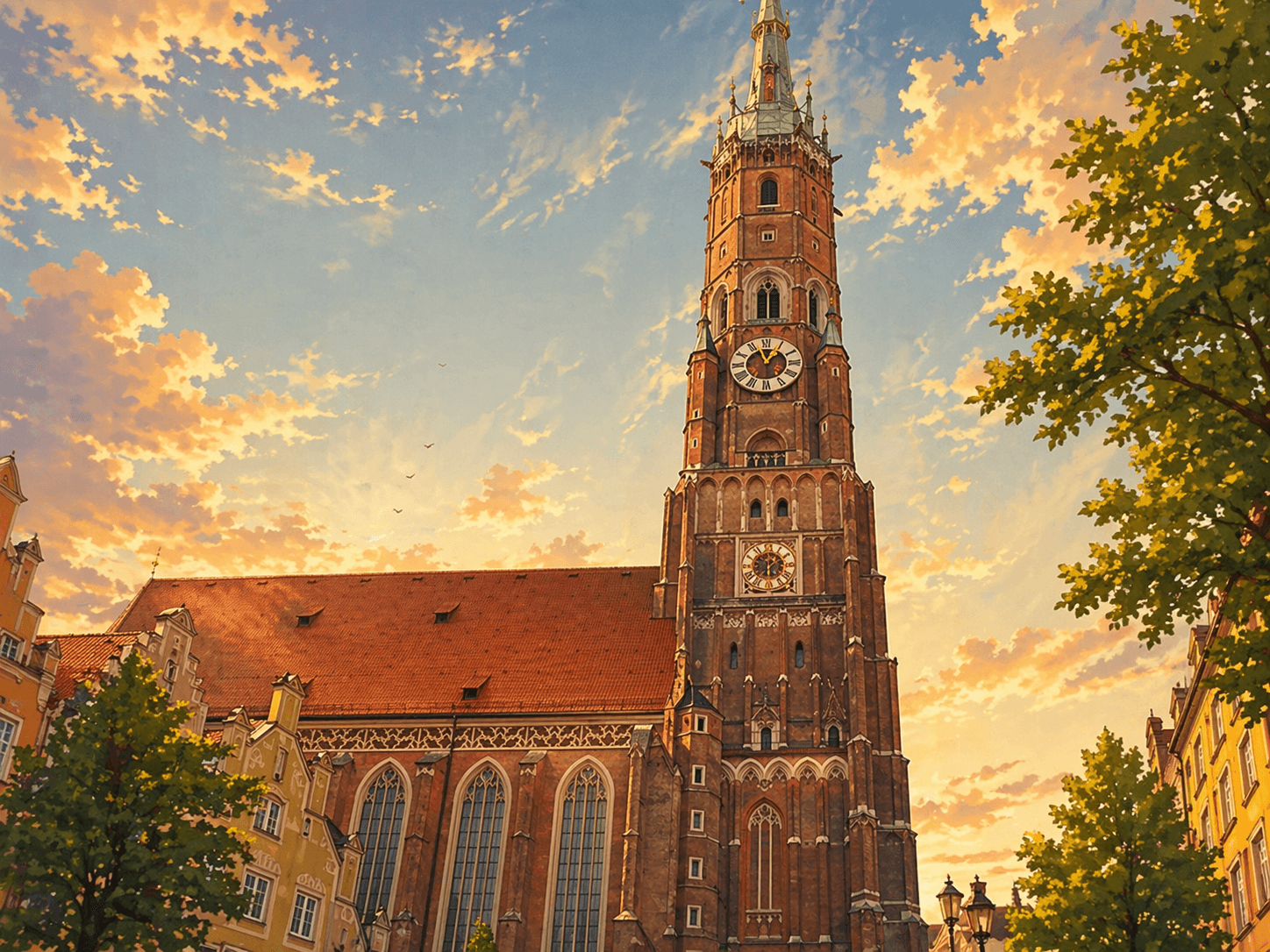
In April 2026, Ingolstadt focused on climate protection, cultural developments, and traffic policy. The city set clear signals through photovoltaic projects, cultural initiatives, and budget decisions for the transportation network. Here are the most important developments at a glance.
Climate and Energy in Focus
In April 2026, Ingolstadt set new milestones in climate protection and energy efficiency through concrete projects and strategic decisions. The Climate Advisory Board, chaired by Mayor Petra Kleine, once again confirmed the necessity of a clear climate target to provide certainty for investors and planners. The city remains committed to achieving 90% fewer greenhouse gas emissions by 2035 – a position it continues to defend against requests to revise the target.
In the area of photovoltaics, Stadtwerke Ingolstadt Beteiligungen GmbH presented the current status of the heat transition. Particularly noteworthy is the tenant electricity project in the Prinzenviertel, which with a system size of 275 kWp and a storage capacity of 110 kWh generates electricity for several hundred households. The project is financed to 90% by subordinated loans with favorable interest rates.
Further PV projects are already in planning: on municipal roof surfaces (schools, fire department, childcare centers), 450 kWp PV capacity is planned, and on the roof covering of the Hallen R/S, a project with 1,600 kWp and an annual electricity production of 1.7 million kWh will be realized. These projects make a decisive contribution to the energy transition in Ingolstadt.
Culture Remains Vibrant
The Cultural Advisory Board met on April 16, 2026, at the municipal theater to discuss the future of cultural offerings in Ingolstadt. Topics included the theater and Hämer office building, the development of the cinema landscape, and the planning of the fortress anniversary in 2028. The working group “Spaces” and the working group “Classical Support Award” reported on their ongoing projects, while the outlook for the culture portal www.ingolstadt.live was presented.
The Cultural Advisory Board emphasized the importance of the independent cultural scene and cultural infrastructure for the city’s identity. The next meeting of the advisory board is planned for November 16, 2026 – further information will follow.
Traffic and Budget: Decisions for the Future
In April 2026, important decisions were also made in the area of transport. The regional transport association Großraum Ingolstadt (VGI) approved a 4.9% fare increase effective August 1, 2026. The increase is based on the EU’s Oil Bulletin and reflects rising fuel costs. At the same time, the 2026 budget with a total volume of €19.059 million was approved, with no new loans or authorization powers planned.
Another important topic was the financing agreement for the 365-euro ticket, which was extended until July 31, 2027. The special levy for 2026 amounts to €5.35 million, distributed among the association members. The city of Ingolstadt contributes €1.092.113.80 to this.
Citizen Participation and Investments in the Northwest
The Northwest Citizens’ Meeting on April 15, 2026, informed about current investments and projects in the region. Numerous facilities received funding, including €23,225.06 for an experimental room at the Christoph Kolumbus School and €347,000 for the flat roof renovation of the Sir William-Herschel Middle School. Major construction projects such as the new playground construction and the renovation of the KiTa Sternenhaus with a total investment of €770,000 are in preparation.
Overall, the city is investing in the construction of 637 new housing units through BayernHeim and GWG with a budget of €59 million. Completion is planned for mid to late 2026. In addition, sewer and infrastructure measures totaling €3.8 million were approved.
Healthcare: New Mandate Agreed
In April 2026, a new DAWI mandate for the Hospital Purpose Association Ingolstadt (KHZVI) was approved, effective from January 1, 2026. The district of Upper Bavaria is withdrawing from the mandate, instead the kbo-DAK GmbH will take over the psychiatric and psychosomatic care. The city of Ingolstadt is obligated to enter financial assistance above one million euros from 2028 into a transparency register and have the correctness of the separation accounting certified by auditors.
Outlook: Stability, Investments, and Climate Protection
April 2026 was marked by clear decisions in climate, culture, and transport. The city remains on course in its climate policy and is promoting renewable energies through photovoltaic projects and tenant electricity initiatives. At the same time, the cultural infrastructure is being strengthened, and the transport networks are planning for the future. Citizen participation remains an important instrument to transparently communicate interests and projects.
Further decisions are expected in May 2026 – especially in the area of council consultations and the further implementation of climate-friendly projects. The city of Ingolstadt is on a stable course that combines investments, sustainability, and citizen participation.
NeoSearch analyses public council documents, committee minutes and municipal announcements. Source references appear automatically once verified meeting data is available.
What does this mean for businesses?
Municipal council decisions are early indicators: following the council agenda surfaces projects and tenders months before the official award — before they ever reach the procurement portals.
Track similar decisions in your region
Set up monitoring for Energy and Utilities in Bayern — prefilled from this article.
Set up monitoring →More signals from Ingolstadt
Urban Development in Ingolstadt – Focus on April 2026
In April 2026, Ingolstadt will look back on a range of urban developments and construction projects. The focus is on childcare provision, expanded housing options, energy efficiency measures, and the development of new leisure areas. In this blog article, we analyze the most important projects and developments in urban development.
Read more → Health Policy in Ingolstadt: Structural Adjustments and New Mandates
In April 2026, Ingolstadt made important decisions in the field of healthcare. The hospital joint venture and the Ingolstadt Hospital stood in the spotlight – both in terms of organizational adjustments and financial security.
Read more → Culture and Community in Ingolstadt: Focus on the Cultural Advisory Board April 2026
In April 2026, important cultural decisions and planning were at the forefront in Ingolstadt. The Cultural Advisory Board discussed the future of cultural infrastructure, funding, and anniversary projects.
Read more →