Fürth in April 2026: Culture Policy in Focus – Funding, Reforms, and Cultural Future
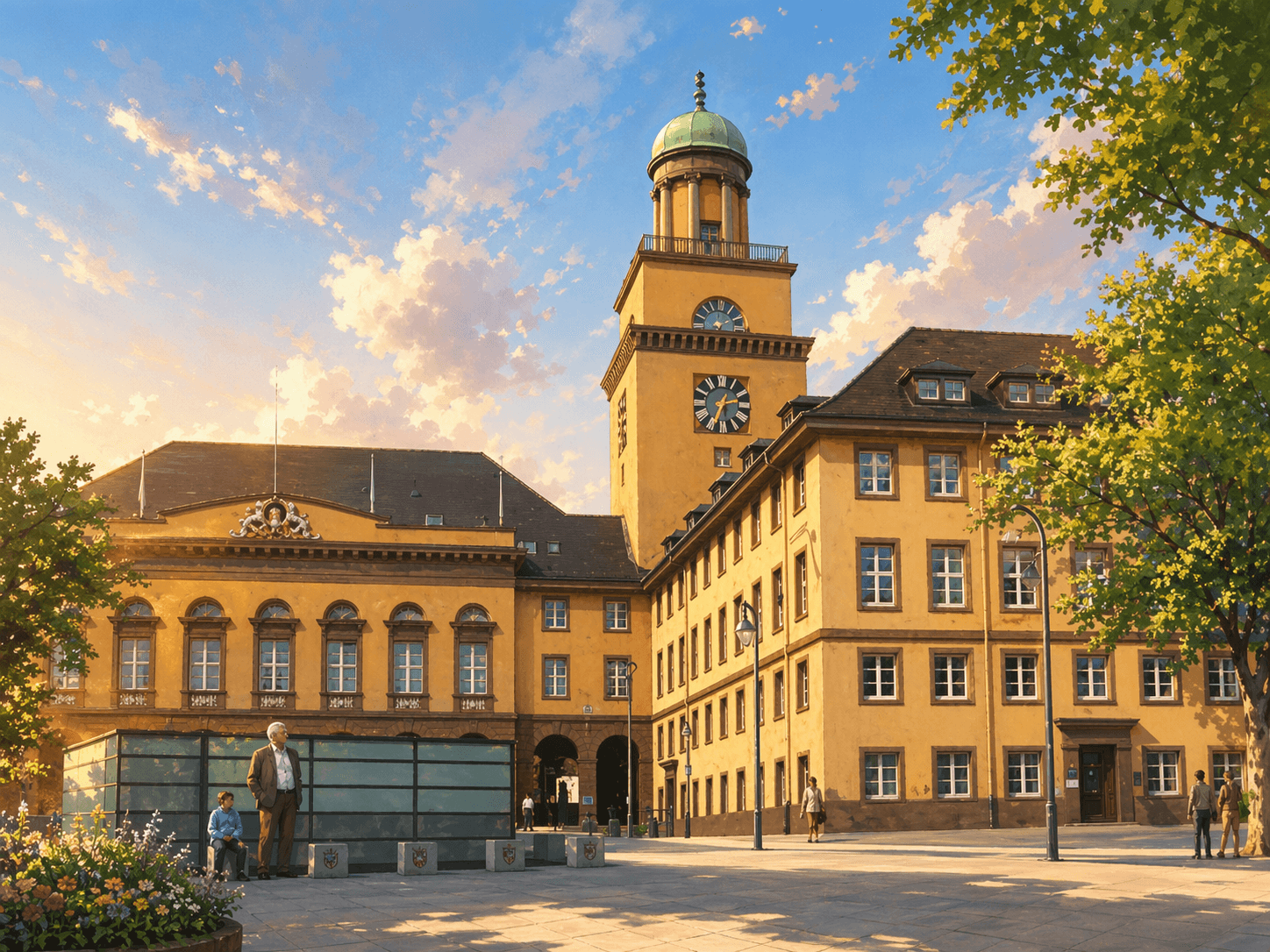
In April 2026, Fürth focused on cultural development. The Cultural Committee discussed funding for cultural institutions, reforms in cultural administration, and new approaches to improving the quality of street music. This blog provides an insight into the most important decisions and debates of the month.
Cultural Policy Decisions in April 2026: Fürth is Focusing on Innovation and Inclusion
In April 2026, Fürth was the site of intense cultural policy debates. The Cultural Committee met on April 23 and made several key decisions that could shape the city's cultural landscape in the long term. Particularly notable are the funding for the Kofferfabrik, reforms in cultural administration, and initiatives aimed at improving the quality of street music.
Funding for the Kofferfabrik: A Step Toward Modernization
The Kofferfabrik e.V. is a central cultural hub in Fürth. With over 130 events per year and a broad musical diversity (jazz, blues, rock, indie, world music, punk), it provides a platform for local, young, and female artists. In April 2026, the association applied for a grant of 5,000 euros from the city’s discretionary budget.
This funding is not only a financial support but also a signal of the Kofferfabrik’s importance as an inclusive and open cultural venue. The funds will be used to purchase a new power amplifier, mobile speaker systems, and a basic lighting system for the new gallery. This investment will help enable new event formats such as DJ sets, poetry slams, and readings, thus strengthening cultural participation in Fürth.
The funding was unanimously approved by the Cultural Committee, underscoring the political support for cultural institutions that offer low-threshold access and promote social and artistic diversity.
Reform of the Cultural Advisory Board: More Transparency and Flexibility
Another crucial item on the agenda was the amendment of the Cultural Advisory Board’s rules of procedure. The Cultural Advisory Board, which previously consisted of several honorary members of the city council, will now be limited to three members. Each member will be assigned a deputy to ensure the work can continue in case of absence. At the same time, the residency requirement for members will be abolished to allow participation by individuals whose work focuses on Fürth but who live elsewhere.
This reform aims to increase transparency and flexibility. In the future, members of the Cultural Advisory Board will not have voting rights, emphasizing the clear separation between advisory and decision-making functions within the Cultural Committee. The board’s meetings are planned to take place two to three times a year, usually before the Cultural Committee meetings.
These changes reflect the city’s desire to make the Cultural Advisory Board more efficient and diverse, thereby incorporating a broader spectrum of experts and interest representatives into cultural policy discussions.
Quality Improvement in Street Music: A Sensitive Balance
A particularly contentious issue was the Greens’ proposal for “More Quality in Street Music.” The idea behind the proposal is to improve the quality of life in the city center by reducing poor performances and promoting high-quality street music. At the same time, the attractiveness of the pedestrian zone for shopkeepers and visitors should be strengthened.
The existing regulation for street musicians sets time limits for changing locations but includes few measures for quality improvement. The proposal calls on the city administration to present possible instruments for quality optimization and to review enforcement controls. The goal is to find a sensitive balance between cultural diversity, urban climate, and noise pollution.
The debate on street music shows how complex cultural policy decisions can be, as they often have to balance artistic expression, urban order, and the well-being of citizens.
Outlook: Fürth as a Culturally Vibrant City
April 2026 was a month in which Fürth clearly demonstrated how deeply cultural policy is embedded in urban life. Through the funding of the Kofferfabrik, the reform of the Cultural Advisory Board, and the discussion on the quality of street music, the city is focusing on innovation, inclusion, and quality. These decisions contribute to positioning Fürth as a lively, culturally diverse, and accessible place—not only for artists, but for all citizens.
NeoSearch analyses public council documents, committee minutes and municipal announcements. Source references appear automatically once verified meeting data is available.
What does this mean for businesses?
Municipal council decisions are early indicators: following the council agenda surfaces projects and tenders months before the official award — before they ever reach the procurement portals.
Track similar decisions in your region
Set up monitoring for Culture and Community in Bayern — prefilled from this article.
Set up monitoring →More signals from Fuerth
Fürth's Urban Development in April 2026: Multi-use, Zoning and Mobility Strategies
In April 2026, the city of Fürth made significant advances in urban development, particularly in the areas of parking space management, zoning planning, and infrastructure for climate-neutral mobility. Numerous decisions and plans demonstrate how the city is responding to urban challenges such as housing shortages and traffic congestion.
Read more → Fürth's Social and Housing Policy in April 2026: Challenges and Progress
In April 2026, Fürth was at the center of crucial discussions and measures in the field of social and housing policy. A wide range of topics – from supporting sex workers to addressing housing shortages and neighborhood development – were addressed in the meetings of the Social Assistance, Social and Senior Affairs Advisory Committee. This blog article provides an in-depth look at the most important developments, decisions, and background information.
Read more → Education and Infrastructure in Fürth: Expansion of Full-Day Programs, Sustainability, and Investments
In April 2026, Fürth took decisive steps in educational policy and the development of public institutions. The focus was on the expansion of full-day programs at elementary schools, the extension of the educational program "Bildungskommune," increased meal prices, and investments in school construction and full-day facilities. An overview of the most important developments.
Read more →