The Senior Advisory Council in Erlangen: Structure, Decisions, and Outlook for February 2026
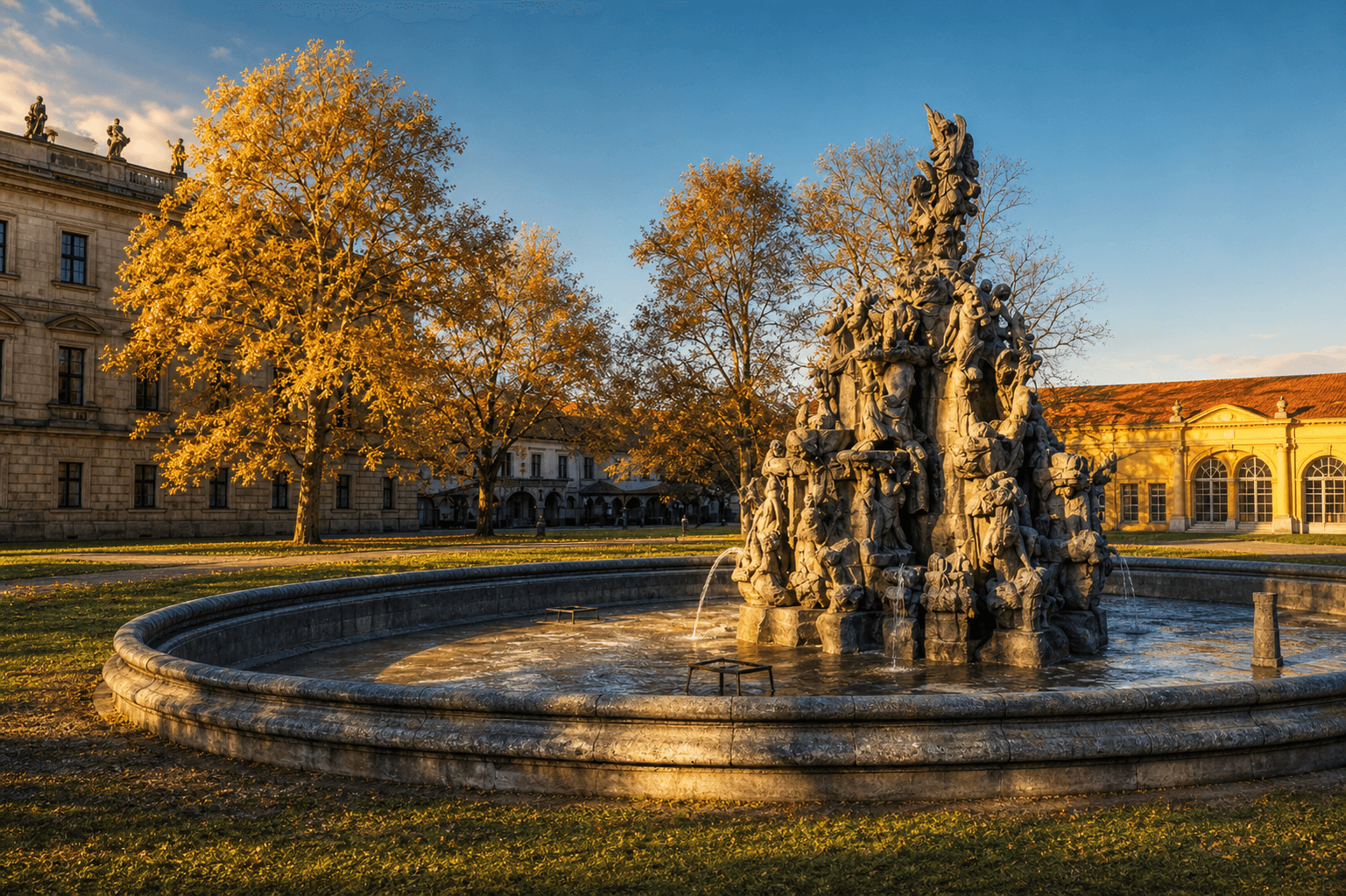
In February 2026, the Senior Advisory Council of the city of Erlangen focused on personnel changes, new working groups, and an emphasis on disaster and civil protection. The council is composed of a variety of organizations, parties, and institutions that together represent the interests of the older population.
The Senior Advisory Council as a Central Actor in Social Policy
The Senior Advisory Council of the city of Erlangen is a central contact point for political and social issues relating to the older population. With a mandate from November 2024 to June 2027 and a broad composition of city council factions, senior organizations, and social associations, the council is not only an advisory body but also an active shaper of social policy initiatives. In February 2026, personnel changes, new thematic priorities, and integration into other structural alliances were in the spotlight.
Personnel Changes and New Appointments
In February 2026, there were several personnel changes within the Senior Advisory Council. Peter Römer, who was a member until December 31, 2025, stepped down and was replaced by Andrea Raithel as a regular member. In addition, Andrea Weuthen was appointed as an alternate member with immediate effect, on the recommendation of the IG Metall Senioren. These new appointments reflect the continuous rotation and the inclusion of diverse interest groups in the council's work, strengthening the breadth of perspectives.
The first session of the council took place on February 23, 2026, in the council chamber of the town hall. The agenda included the official welcome, reports from working groups, and a topic of particular importance for the future safety of the elderly population: disaster and civil protection with a focus on seniors.
Thematic Focus: Disaster and Civil Protection
A central discussion point was the safety of the elderly population in the event of a disaster. Friedhelm Weidinger, the speaker on the topic, presented the particular challenges older people face in crisis situations—such as mobility issues, chronic illnesses, or dependence on medical care.
In this context, the Senior Advisory Council emphasizes that disaster protection must not be limited to technical measures, but also requires social networking, preparedness plans, and coordinated support. The discussion showed how important it is to include the perspective of the elderly population in planning processes in order to effectively mitigate risks.
Integration into Other Alliances: The Training Consortium
Another important project in which the Senior Advisory Council is involved is the training consortium for nursing in Erlangen. This consists of more than 70 institutions and five vocational schools that jointly structure the generalist nursing education. The goal is to ensure the quality of training and to provide sufficient training places.
In this context, it was decided to elect a consortium council instead of appointing a single representative position. A working group was set up to draft the rules of procedure for this council. Friederike Leuthe, spokesperson for the Nursing Working Group in the Senior Advisory Council, is taking on an active role here. This integration shows how closely the Senior Advisory Council is networked with other societal actors and how important it is for the future of the nursing landscape in Erlangen.
Conclusion: A Dynamic Council for a Central Policy Area
The Senior Advisory Council of the city of Erlangen is a lively and dynamic body that actively engages in social and political issues. By integrating into disaster protection discussions and nursing training consortia, it demonstrates its strategic relevance. The personnel changes and the continuous involvement of parties, associations, and organizations contribute to the council's broad support and quick response capability.
In the coming months, it will be particularly important to translate the results of the working groups and reports into concrete action plans. The challenges of demographic change and climate change make it necessary for bodies like the Senior Advisory Council to act not only reactively, but also proactively. Erlangen is moving in this direction—with a strong, multi-perspective Senior Advisory Council at its side.
NeoSearch analyses public council documents, committee minutes and municipal announcements. Source references appear automatically once verified meeting data is available.
What does this mean for businesses?
Town halls, fire stations, depots and administrative buildings create early construction and refurbishment opportunities. Following council agendas reveals projects before they go to tender.
Track similar decisions in your region
Set up monitoring for public buildings & administration in Bayern — prefilled from this article.
Set up monitoring →More signals from Erlangen
Childcare in Erlangen: Funding, Structures, and Future Prospects
In April 2026, Erlangen saw pivotal debates and reform proposals in the area of childcare. The CSU City Council faction called for a transparent cost breakdown, while the Youth Welfare Committee discussed the future of the Youth Workshop. An overview of the current situation and challenges.
Read more → Sport in Erlangen: Infrastructure, Support, and Future Challenges
In April 2026, Erlangen saw important decisions and developments in the field of sport. From investments in club facilities to the debate over opening hours of the Hannah-Stockbauer-Hall – the sports sector faces new challenges.
Read more → Budget Development and Consolidation in Erlangen – Analysis of the April Decisions
In April 2026, Erlangen made several key budgetary decisions that will shape the city's financial structure in the coming years. The focus was on consolidation measures, investments in education, and the assurance of social benefits. This blog post analyzes the background, decision-making processes, and potential impacts of the April decisions.
Read more →