Mobility in Erlangen: Challenges and Visions in March 2026
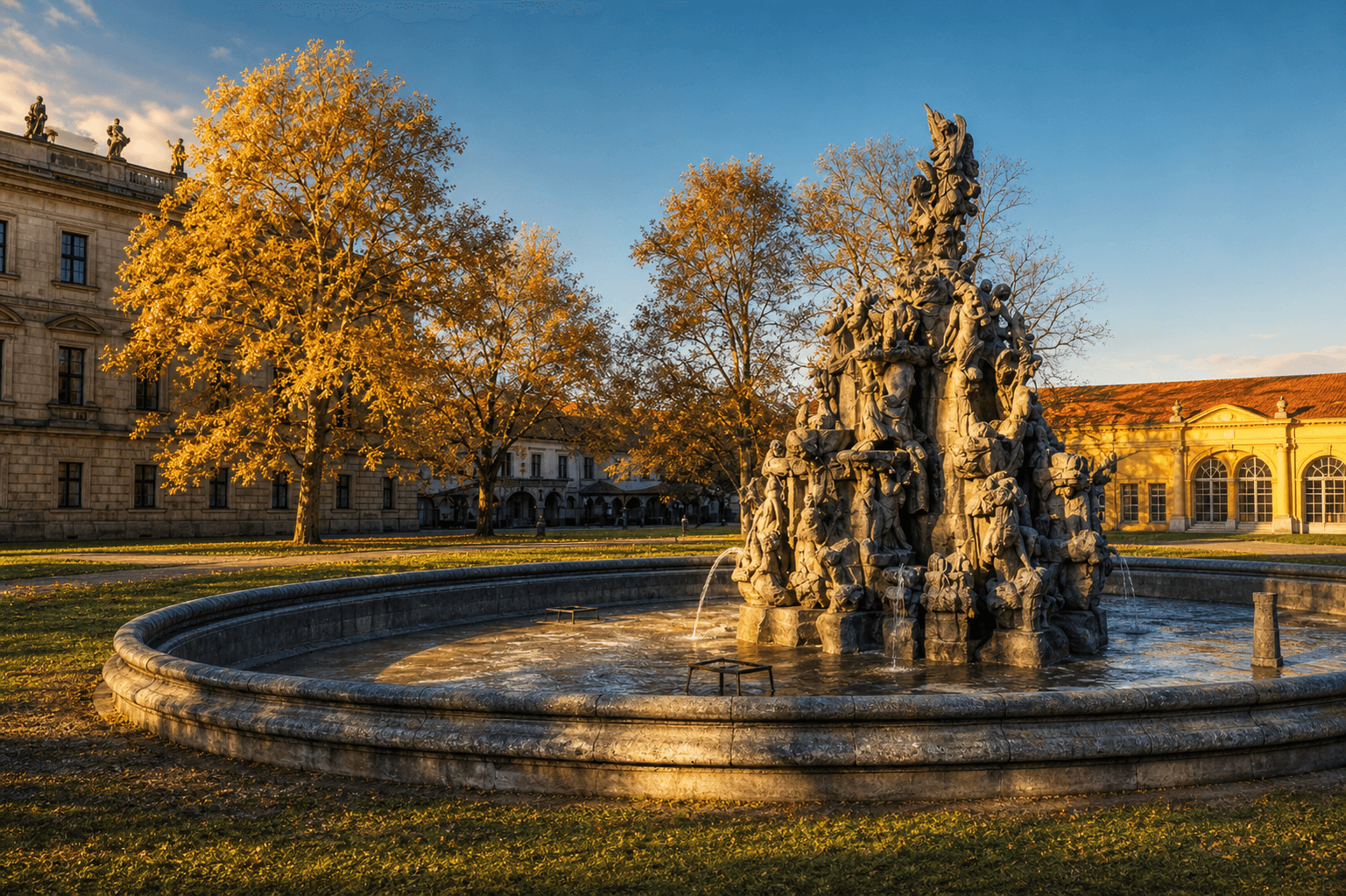
In a month full of changes and debates, Erlangen is focusing on increased cycling, improved public transport connections, and modern parking guidance systems. March 2026 brings exciting decisions and discussions in the field of mobility.
Mobility in Erlangen: How the City is Making Progress in March 2026
Erlangen is on the move in March 2026 – in the truest sense of the word. The city is actively engaging with the future of mobility: from the reactivation of the Aurachtalbahn to the expansion of cycling infrastructure and new solutions for parking and public transport. In this month, decisive steps were taken to improve traffic conditions in a sustainable manner.
The Aurachtalbahn: Between Reactivation and a Cycle Superhighway
The Aurachtalbahn, a former railway line that could today serve as part of a cycle superhighway (RSV), is at the center of public debate. In March 2026, the SPD faction submitted a motion to prevent construction along the route between Frauenaurach and Kriegenbrunn in order to keep the option of reactivating the railway line open. At the same time, the city is planning, in cooperation with Herzogenaurach, to relocate the RSV to this route.
However, the administration has clarified that using the railway line for the RSV is in conflict with its potential reactivation. Instead, a parallel economic route is being examined. The decision on whether to use the route for the RSV or to reactivate the railway is both politically and infrastructurally complex. The current preliminary planning will continue into April 2026.
Cycling: Expansion and New Bike Lanes
Erlangen is clearly focusing on cycling as a forward-looking alternative to car traffic. The Leimbergerstraße will be designated as a bike street in accordance with the guidelines for uniform design and is being planned in cooperation with the municipality of Buckenhof. This route is used by over 800 cyclists daily and forms a central section of the city's cycling network.
Another project is the second cycle superhighway from Herzogenaurach to the main train station, where the section of the bridge over the A3 and the Pappenheimer Straße is planned as a combined or shared-use structure. The Transport and Planning Committee is currently discussing measures to further increase the safety and attractiveness of cycling.
Parking Traffic: LED Boards and Parking Management
Parking in the city center is another topic that was intensively discussed in March 2026. The SPD faction submitted a motion to display parking information via LED boards to reduce traffic caused by drivers searching for parking. The city currently operates six LED boards, but they are not suitable for continuous parking guidance systems. Due to a lack of funds, the planning of a new system was postponed.
At the same time, a parking management system is being introduced in Schillerstraße (residents' parking area 7). Zone III of the parking fee regulation will apply with a rate of 2 € per hour. Management will follow a mixed principle (weekdays 8–19 hours), and each parking space can be occupied by residents. Implementation will be carried out in cooperation with Stadtwerke Stadtverkehr GmbH.
Public Transport and Traffic Safety: Challenges in Nürnberger Straße
The Nürnberger Straße is currently closed due to two construction sites, leading to a critical traffic situation. Pedestrians are forced to step onto the road, causing conflicts with cyclists. The SPD faction submitted a report on the situation, but the administration does not consider any of the proposed measures (e.g., shared pedestrian and cycle paths) to be implementable or sustainable in the long term.
Another topic is the improved public transport connection to the Dechsendorfer Weihers during the summer months. The local council of Dechsendorf is calling for an additional bus route, but Stadtwerke Stadtverkehr GmbH is advising against switching the demand-responsive bus 283T to a regular route, as this would lead to higher costs.
Outlook: Mobility as a Key Issue
Erlangen is showing itself as a city in transition in March 2026: it is promoting more cycling, examining new solutions for parking traffic, and working on the optimization of public transport connections. At the same time, challenges such as the reactivation of the Aurachtalbahn or traffic safety in construction zones remain the subject of intense debate.
The coming months will be decisive in determining whether the planned projects will be implemented and how a balance between different modes of transport can be created. For citizens, it remains to be seen how these political decisions will specifically affect their daily lives.
NeoSearch analyses public council documents, committee minutes and municipal announcements. Source references appear automatically once verified meeting data is available.
What does this mean for businesses?
Urban development, zoning plans and commercial settlements create early construction and supply opportunities. Following council decisions reveals projects before they go to tender.
Track similar decisions in your region
Set up monitoring for economic development in Bayern — prefilled from this article.
Set up monitoring →More signals from Erlangen
Childcare in Erlangen: Funding, Structures, and Future Prospects
In April 2026, Erlangen saw pivotal debates and reform proposals in the area of childcare. The CSU City Council faction called for a transparent cost breakdown, while the Youth Welfare Committee discussed the future of the Youth Workshop. An overview of the current situation and challenges.
Read more → Sport in Erlangen: Infrastructure, Support, and Future Challenges
In April 2026, Erlangen saw important decisions and developments in the field of sport. From investments in club facilities to the debate over opening hours of the Hannah-Stockbauer-Hall – the sports sector faces new challenges.
Read more → Budget Development and Consolidation in Erlangen – Analysis of the April Decisions
In April 2026, Erlangen made several key budgetary decisions that will shape the city's financial structure in the coming years. The focus was on consolidation measures, investments in education, and the assurance of social benefits. This blog post analyzes the background, decision-making processes, and potential impacts of the April decisions.
Read more →