Educational Policy in Bamberg: Expansion, Digitalization, and Infrastructure in March 2026
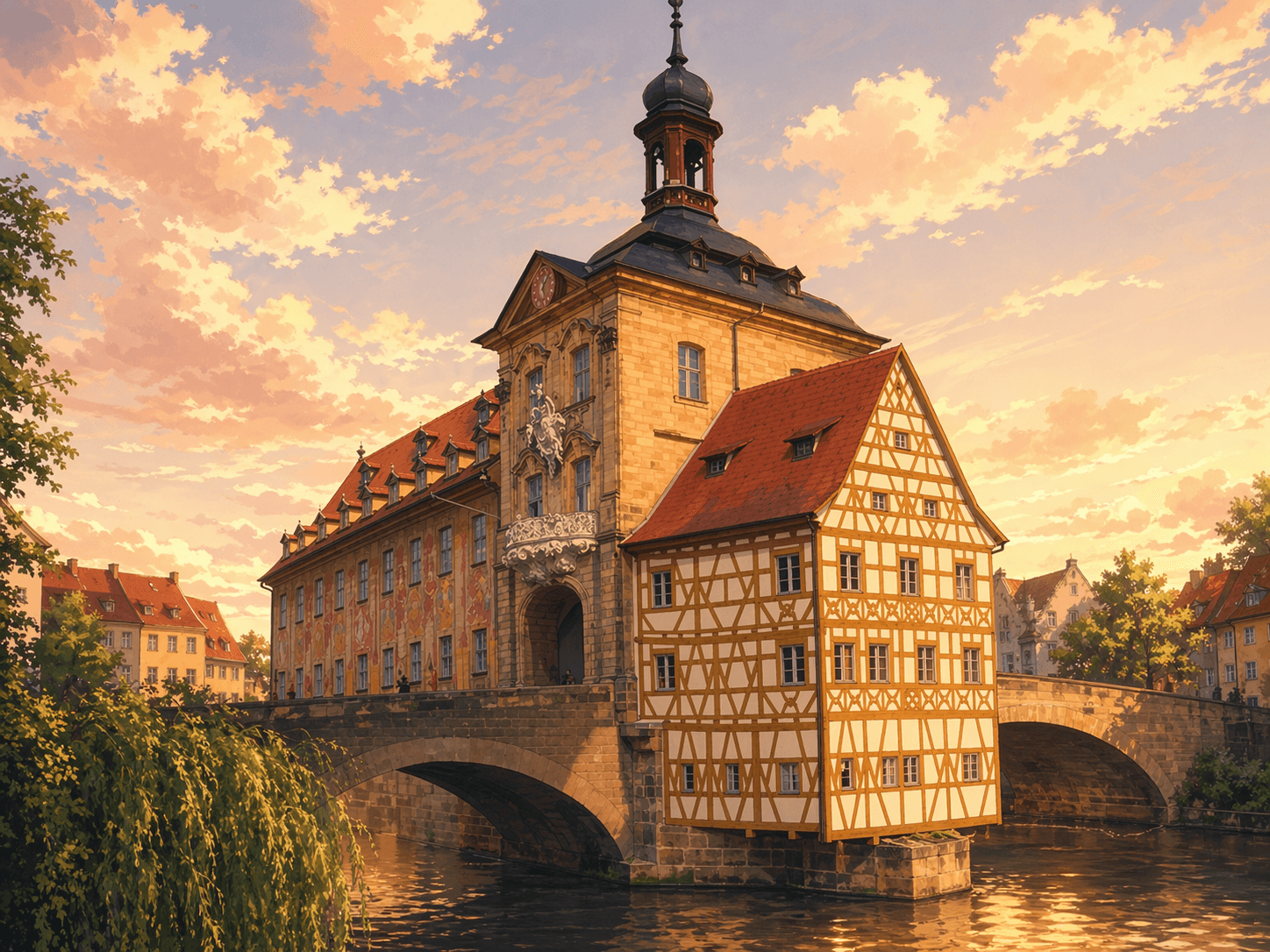
In March 2026, Bamberg discussed key educational policy topics: space concepts, digital equipment, and the future of secondary schools. The Gymnasium Joint Authority made far-reaching decisions that will shape the educational landscape of the region.
Gymnasiums in Motion: Infrastructure, Digitalization, and Student Development
Educational policy in Bamberg is in motion. In March 2026, the Gymnasium Joint Authority of the City and District of Bamberg convened to address a wide range of issues that will significantly influence the future of the Gymnasiums. From room availability and digitalization to financial planning, the discussions highlight how closely the challenges of educational policy are linked to infrastructural and economic development.
Space Requirements and Gymnasium Development: Between Shortages and Expansion
The Gymnasiums in Bamberg are facing an increasing demand for space. The joint authority predicts a deficit of approximately 57 school places for the academic year 2026/2027. Currently, 5,285 students are enrolled in the Gymnasiums of the joint authority. Previous forecasts had expected 5,752 students – a difference of 467.
The rental of the "Village Maria Ward" for up to 600 students is part of the strategy to meet the space demand. The cost for updating the forecast was approximately €4,522 to determine the specific space requirements.
A particular challenge is the Eichendorff-Gymnasium, which currently educates 483 students in the academic year 2025/26. Due to a capacity limit of two entry classes, 30 applicants could not be accommodated last year. Although the management of the joint authority considers a third entry class to be reasonable, this proposal was rejected in the meeting on March 24, 2026.
The expansion of the rented space for the Kaiser-Heinrich-Gymnasium in the building Vorderer Bach 6 was also approved. Two additional classrooms will be used from August 2026 onwards to meet the growing demand.
Digital Equipment: Funding, Budget, and Challenges
Digitalization in education is a central topic in current educational policy. The Gymnasium Joint Authority plans to allocate a special budget of €133,000 for digital equipment at the Gymnasiums in 2026. Additionally, an IT budget of €120,000 is available, of which €16,000 will be used for Jamf licenses and €104,000 for Priority-1 needs such as computer replacement and tablet trolleys.
Another funding program, SchulMobE, provides €85,000 for teacher devices. In addition, the distribution of over 1,000 student loan devices is ongoing. However, the reports indicate a high manual workload for inventory – a challenge that must be given more attention in the future.
Financial Planning and Investments: Budget 2025 and Outlook 2026
The financial situation of the Gymnasium Joint Authority is generally stable. The financial review for 2025 showed a total credit surplus of €18,070.19. A surplus of €3.46 million was recorded in the administrative budget, which will be added to the general reserve. These funds enable additional investments – 54,935 € in savings have already been approved as additional funding for 2026.
Another focus was the expansion and renovation of Gymnasiums. It was decided to demolish the upper sports hall at the E.T.A. Hoffmann-Gymnasium and replace it with a double sports hall. The cost of the new building is estimated at €7.65 million. The goal is to improve barrier-free access and to relieve the listed building.
Outlook: What's Next for Gymnasium Development?
The decisions of the Gymnasium Joint Authority in March 2026 show a clear direction: the educational infrastructure must adapt to growing student numbers, digitalization is being accelerated, and investments in buildings and equipment remain central. At the same time, capacity constraints at the Gymnasiums remain a constant issue – especially at schools like the Eichendorff-Gymnasium, where capacity expansion must be discussed again at the political level.
The challenge for the future will be to create long-term planning security – both in terms of space concepts and digitalization. Only in this way can Bamberg maintain its position as an educational hub and meet the requirements of the future.
NeoSearch analyses public council documents, committee minutes and municipal announcements. Source references appear automatically once verified meeting data is available.
What does this mean for businesses?
Schools, daycare centres and public buildings create early planning and construction opportunities. Following council agendas surfaces tenders for refurbishment, new builds and fit-out months before the official award — from shell construction to specialist planning to furnishing.
Track similar decisions in your region
Set up monitoring for education & public facilities in Bayern — prefilled from this article.
Set up monitoring →More signals from Bamberg
Social Affairs and Housing Policy in Bamberg – April 2026 in Focus
In April 2026, Bamberg made important decisions in the areas of social affairs and housing policy. The Advisory Board for People with Disabilities held a meeting to present personnel and structural changes and to plan the way forward into the new term of office.
Read more → Bamberg: Focus on Finances – Budget 2025 and Outlook 2026
In April 2026, Bamberg placed its finances and budget planning in the spotlight. With a surplus of over 39 million euros in the 2025 budget and extensive supplementary budget resolutions for 2026, the city is focusing on stability, investments, and the establishment of reserves.
Read more → Urban Development in Bamberg: Infrastructure, Climate Resilience and Neighborhood Development in April 2026
In April 2026, Bamberg sets new impulses in urban development: The East Deep Collector, bicycle parking houses and climate-resilient neighborhoods dominate the agenda. The focus is on sustainable infrastructure and social integration.
Read more →