Ulm in March 2026: Urban Development, Construction, and Mobility in Focus
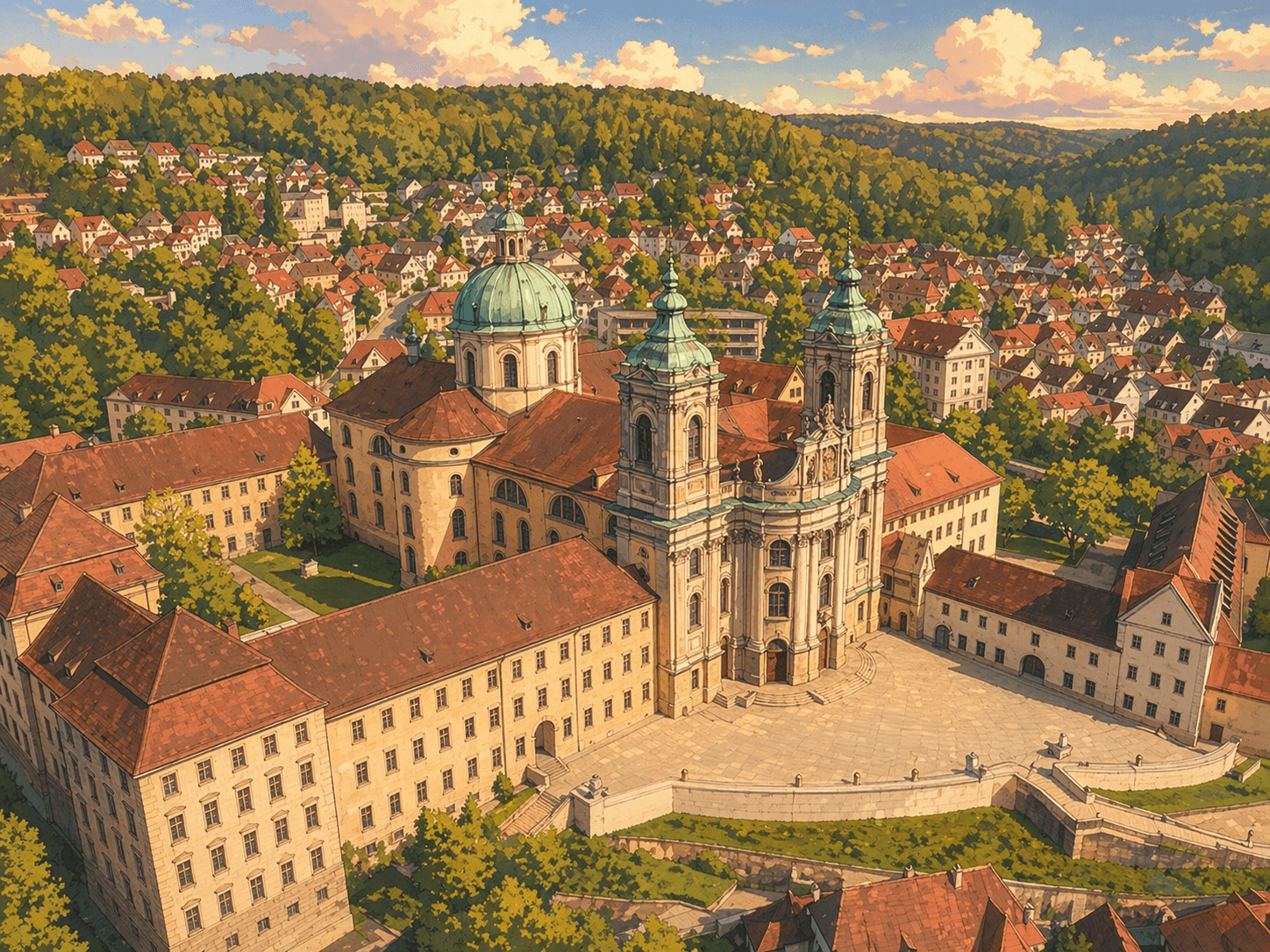
In March 2026, numerous decisions in the areas of urban development, construction, and mobility will shape the future of Ulm. From traffic optimization and wind energy planning to housing promotion, the topics demonstrate how the region is preparing for growth and sustainability.
Ulm in March 2026: Urban Development, Construction, and Mobility in Focus
Urban development and mobility are key themes for the future viability of Ulm. In March 2026, the city council addressed a wide range of projects, plans, and traffic optimizations. The decisions not only reflect the current challenges but also the city's long-term goals: more housing, sustainable mobility, and economic development.
Housing Promotion and the "Bau-Turbo"
In March 2026, several initiatives to promote housing construction were in the spotlight. In particular, the so-called "Guidelines for Bau-Turbo" were discussed and applied in multiple sessions. The goal is to accelerate the process of construction permits and realization to meet the growing demand for affordable housing.
Several construction applications were reviewed in the districts of Einsingen and Jungingen, although the specific projects have not yet been fully published. Nonetheless, it is evident that the city is increasingly focusing on inner-city development and densification to minimize land use pressure.
Zoning and Wind Energy
A central project was the revision of the zoning plan for the "Homepark IKEA" site. The sales area of the sports specialty store Decathlon will be expanded by 2,740 m², bringing the total area to 15,850 m². The change takes place within the existing commercial agglomeration, so no "green field" is being built on. A deviation procedure was required due to objections, and the project initiator has contractually committed to not building any new sports specialty stores in the Blau.Quartier.
In addition, the 43rd and 44th amendments to the land use plan were addressed. The 44th amendment provides for a special construction area for wind energy and a "Wind Acceleration Zone" in Ulm and Blaustein. This is another step toward the energy transition and the expansion of renewable energy sources in the region.
Mobility and Public Transport
In March 2026, several decisions were also made in the field of mobility. The city utility company Ulm (SWU) achieved an average punctuality of 93% in the tram network and 85% in the bus network. Nevertheless, the losses of public transport increased to 35 million euros. To reduce costs, several package measures were approved, including the reduction of lines and optimization of intervals.
A central project is the "Mobility Future Plan 2040," which is to be completed by the end of Q1 2027. The plan is aligned with the state's climate goals and defines six key objectives: safety, fairness, efficiency, economic power, health, and environmental awareness. Implementation will be accompanied by an intensive participation strategy with mobility forums, online participation, and an exhibition in 2026.
Infrastructure and Neighborhood Development
In the field of infrastructure, the planning for the replacement of Building 2 was in focus. The project, which is set to begin in the fall of 2026, will cost around 19.7 million euros and is supported by municipal street construction funding. In addition, planning for the area Stockmahd and Messe-Parkplatz was continued. The goal is an urban neighborhood development with housing, public transport connections, and access.
The traffic connection of the new building areas is a central aspect. The tram line 1, which already connects the area, will be modernized, and a new stop at the fairgrounds is planned. In the medium term, the Brenzbahn will be upgraded to a double-track and electrified.
Conclusion: A City in Transition
Ulm is moving toward a sustainable and future-oriented urban development. The decisions of March 2026 show how the city is responding to challenges such as housing shortages, climate change, and infrastructure deficits. Through the combination of Bau-Turbo strategies, mobility plans, and urban development projects, Ulm will not only grow, but also learn how to grow.
NeoSearch analyses public council documents, committee minutes and municipal announcements. Source references appear automatically once verified meeting data is available.
What does this mean for businesses?
Municipal council decisions are early indicators: following the council agenda surfaces projects and tenders months before the official award — before they ever reach the procurement portals.
Track similar decisions in your region
Set up monitoring for Finance and Budget in Baden-Württemberg — prefilled from this article.
Set up monitoring →More signals from Ulm
Childcare in Ulm: Digital Transition, Fee Reform, and Transparent Allocation of Places
In April 2026, the city of Ulm will implement significant reforms in childcare: The introduction of the software "Little Bird," the adjustment of daycare fees, and the revision of the allocation process are the central measures. An overview of the background, implications, and future challenges.
Read more → Ulm is betting on intercultural sports coaches – How sport becomes a bridge for integration
In Ulm, the project "Intercultural Sports Coaches" is coming into focus. The goal is to enable people with a history of fleeing or migration to access sport and society more easily. This deep dive explores the background, structure, and impact.
Read more → Ulm in April 2026: Urban Development and Construction in Focus
In April 2026, Ulm demonstrated that urban development and construction are at the center of political and administrative attention. Numerous projects, financial decisions, and urban planning debates are shaping the city's current course. This blog post analyzes the most important developments in urban development and construction in Ulm.
Read more →