Ulm in April 2026: Urban Development and Construction in Focus
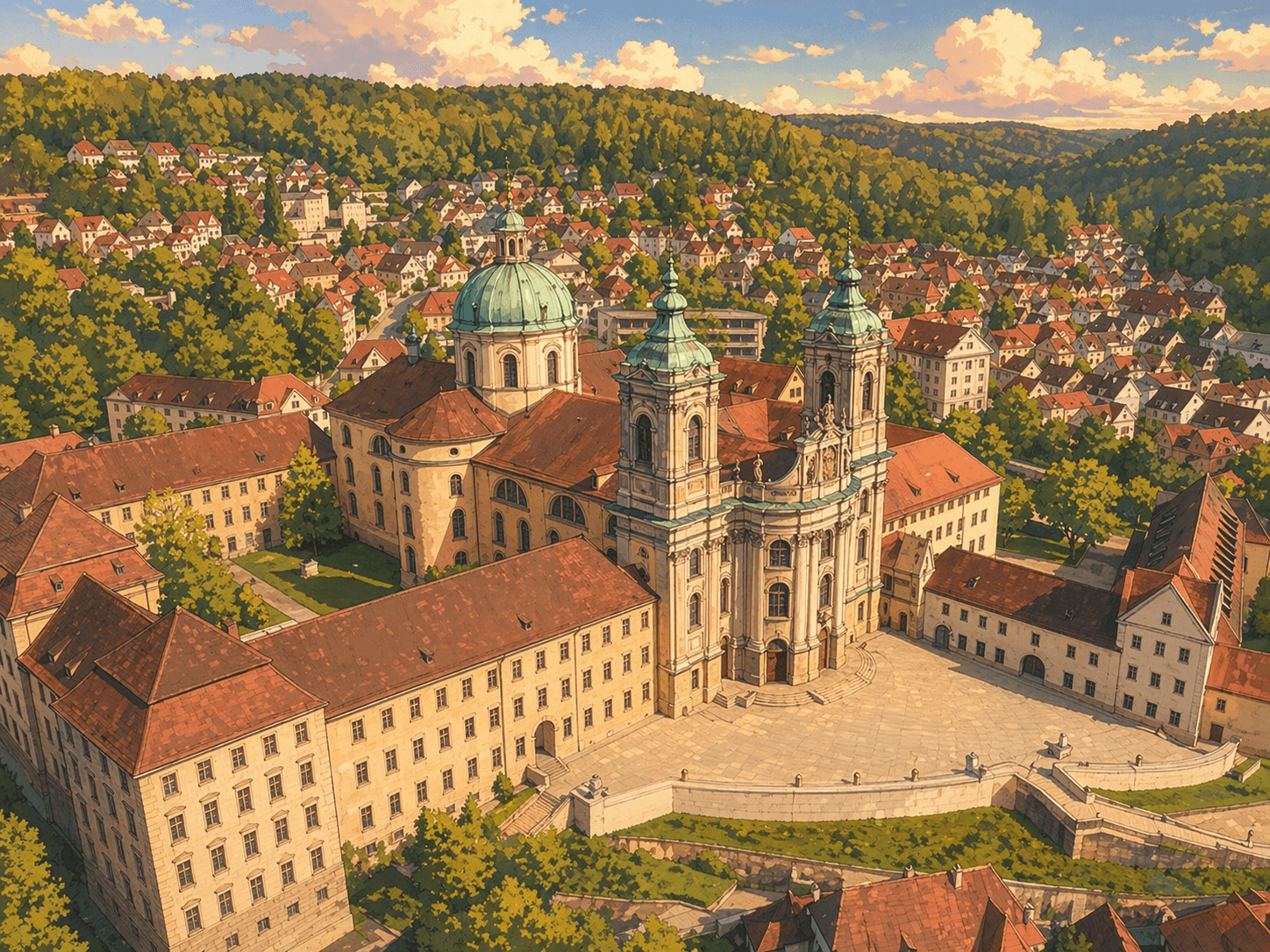
In April 2026, Ulm demonstrated that urban development and construction are at the center of political and administrative attention. Numerous projects, financial decisions, and urban planning debates are shaping the city's current course. This blog post analyzes the most important developments in urban development and construction in Ulm.
Ulm April 2026: Urban Development and Construction – Acceleration, Consolidation, and Climate Change
In April 2026, Ulm made it clear that it intends to shape its urban development strategically and in a future-oriented way. With the introduction of the "Construction Turbo" procedure, consolidation measures, climate protection planning, and extensive construction projects, the city is focusing on more speed, efficiency, and sustainability.
The "Construction Turbo" – Accelerating Housing Construction
In April 2026, the City of Ulm activated the so-called "Construction Turbo" under § 246e of the Building Code (BauGB) in order to address the urgent need for housing. A central element of this procedure is the possibility to approve housing projects without a zoning plan, provided they meet urban planning objectives.
A traffic-light principle (green/yellow/red) helps assess the applicability of the Construction Turbo. Projects such as rooftop extensions, point houses, or infill developments fall into the "green" category. Approval lies with the Technical Committee, while rejection can be carried out by the administration.
The guidelines for the application of the Construction Turbo will be evaluated in autumn 2026 and reviewed annually thereafter. At the same time, the main municipal ordinance will be adjusted to create the organizational prerequisites for this accelerated procedure.
Consolidation 2026 and 2027 – Financial Discipline Remains Central
Despite the focus on acceleration and investment, financial discipline remains a central issue. In April 2026, consolidation proposals amounting to 470,700 € were approved for the Department of Urban Development, Construction, and Environment. The city plans to reduce service and work contracts in the departmental management.
For 2027, a consolidation requirement of 941,000 € has been planned. This amount will be covered through budget cuts in various areas, such as resident parking (223,950 € less), cemetery fees (122,000 € adjustment), and façade greening/nesting boxes (reduced from 30,000 € to 10,000 €).
The maintenance costs for 2026 for infrastructure such as streets, bridges, green spaces, and buildings amount to 66.1 million €. This shows that Ulm is investing in the maintenance and development of its infrastructure despite consolidation pressures.
Climate Protection and Energy – Ulm Remains a Pioneer
In the field of climate protection, Ulm took another step forward in April 2026. A climate change adaptation concept is currently being developed, with completion planned by 2031. Key areas of focus include urban climatology, stormwater management, green space policy, water management, and population protection.
The city is receiving funding from the state of Baden-Württemberg in the amount of 200,000 €. A planning office will be tendered in 2026, and the concept is expected to be approved by the end of 2027.
Ulm also remains a pioneer in the field of renewable energy: With an installed photovoltaic capacity of 33.5% and a target of 200 MWp by 2030, the city is among the leaders. In the national Watt Competition 2026, Ulm even secured third place in the "Large Cities" category.
In addition, seven plot areas (approximately 50 hectares) were released in the land-use plan for open-space photovoltaic projects, which significantly supports the expansion of renewable energies.
Critical Urban Development Debates – Volksbank Project and Westring Tunnel
The planned new construction project by the Volksbank at the corner of Neutorstraße and Zeitblomstraße was particularly controversial in urban development discussions. Originally, a nine-story building with 8,500 m² of gross floor area was planned, but the administration recommended reducing the height to a maximum of seven stories (30 meters). Critical issues included the impact on open space quality, visual relationships to the theater and the cathedral, and dominance in the street space.
A study by the renowned architect Max Dudler confirmed that high-rise development at this location is not urban planning-compatible. It was therefore proposed to include the adjacent city-owned plot to the west.
The Westring Tunnel is also still a topic of discussion. The construction decision was approved, and monitoring procedures are being carried out in parallel. In addition, the zoning plan "Between Laupheimer Straße and B30" in Wiblingen was approved.
Conclusion – Ulm Builds for the Future
April 2026 has shown that Ulm is actively shaping its urban development: through accelerated construction processes, financial discipline, climate protection measures, and critical urban development debates. The city is focusing on speed, transparency, and sustainability – three central terms that will also be defining in the coming months and years.
NeoSearch analyses public council documents, committee minutes and municipal announcements. Source references appear automatically once verified meeting data is available.
What does this mean for businesses?
Municipal council decisions are early indicators: following the council agenda surfaces projects and tenders months before the official award — before they ever reach the procurement portals.
Track similar decisions in your region
Set up monitoring for kommunale Projekte in Baden-Württemberg — prefilled from this article.
Set up monitoring →More signals from Ulm
Childcare in Ulm: Digital Transition, Fee Reform, and Transparent Allocation of Places
In April 2026, the city of Ulm will implement significant reforms in childcare: The introduction of the software "Little Bird," the adjustment of daycare fees, and the revision of the allocation process are the central measures. An overview of the background, implications, and future challenges.
Read more → Ulm is betting on intercultural sports coaches – How sport becomes a bridge for integration
In Ulm, the project "Intercultural Sports Coaches" is coming into focus. The goal is to enable people with a history of fleeing or migration to access sport and society more easily. This deep dive explores the background, structure, and impact.
Read more → Governance and Administration in Ulm: Decisions, Structures, and Impacts in April 2026
In April 2026, the municipal administration of Ulm was deeply engaged with governance and administrative issues. From the adjustment of daycare fees to the founding of a new foundation and investments in infrastructure – the decisions shape the administrative structure and the city's budget.
Read more →