Youth Policy in Ulm: Focus on Prevention and Cooperation in February 2026
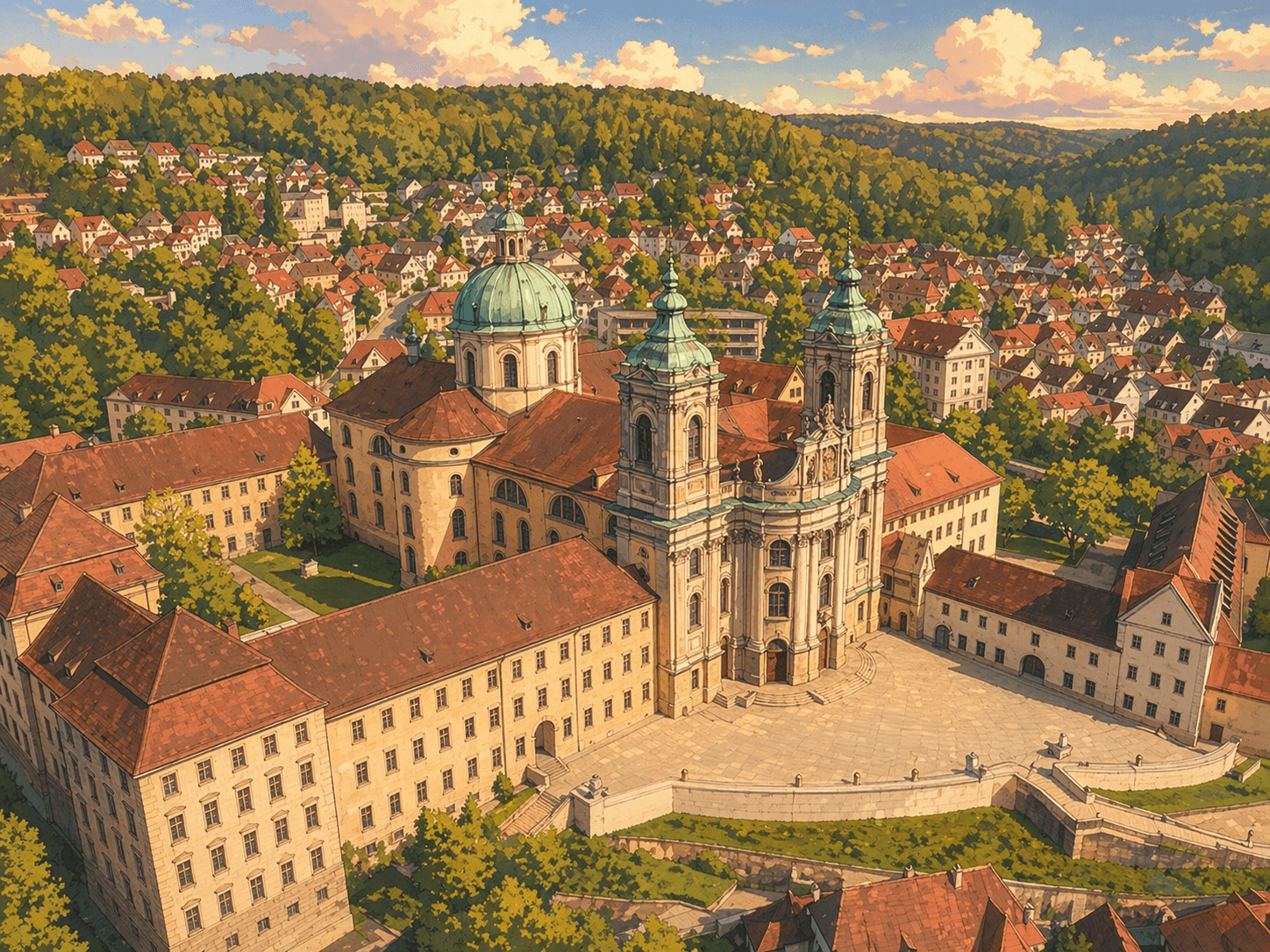
In February 2026, decisions and developments in youth policy took center stage in Ulm – particularly concerning the "House of Youth Justice" and the work of the Youth Welfare Committee. This blog provides an overview of current projects, challenges, and future perspectives.
Youth Policy in Ulm: Prevention, Cooperation, and Future Prospects
Youth policy is a central component of the municipal strategy in Ulm. In February 2026, significant developments in the work of the Youth Welfare Committee and the "House of Youth Justice" (HdJR) became evident, showcasing both successes and future challenges.
The "House of Youth Justice" – 5 Years of Prevention and Cooperation
The "House of Youth Justice" (HdJR) celebrated its fifth anniversary in 2025 and remains a key institution in the prevention of juvenile delinquency. The facility is a model project of cooperation between the police, public prosecutor’s office, and youth welfare services, aiming to support and guide young people with legal conflicts at an early stage.
During the reporting period 2024–2025, several projects and initiatives were presented. Particularly noteworthy is the increase in so-called "express diversions" – a form of out-of-court conflict resolution for juvenile offenders. While only 5 such cases were processed in 2024, the number rose to 7 in 2025. In addition, several expert conferences took place, including a focus on communication within the HdJR and a conference on data protection in youth welfare.
The success of the HdJR is also reflected in the growing attention it has received: Minister Gentges visited the facility in July 2024, and the "loveonair #ungeniertaufgeklärt" project on sexual education remains financially supported.
Challenges in Funding and Implementation
Although the HdJR has achieved many successes in recent years, there are also challenges. The funding of some projects remains uncertain – including the "Lost-Graffiti-Project" and the financial literacy training, which urgently require long-term funding. In addition, some planned offerings, such as a project supporting young women, have not yet been implemented as group activities.
Another topic is cooperation with other regional actors. Discussions with the Ulm Chamber of Crafts about a group offering on career choice have taken place, and it is planned to connect young people with sports projects at Ulm clubs.
The Youth Welfare Committee: Decisions and Participation
During the Youth Welfare Committee meeting on 04.02.2026, two central topics were discussed: the appointment of new members and the report on the HdJR for 2024–2025. The meeting was open to the public and provided interested individuals with the opportunity to learn about current youth policy in Ulm.
The committee’s work is a central pillar for transparency and citizen participation. Open agenda items and the availability of documents at the town hall or via the city of Ulm's citizen information system contribute to enriching discussions on youth policy.
Outlook: Stability and Growth in the Fight Against Juvenile Delinquency
The current crime statistics for 2025 were not yet available at the time of the report, but data from previous years show stable or even declining numbers in juvenile delinquency – particularly among 14- to under 18-year-olds. In contrast, there was an increase among those under 14, indicating the need for further preventive measures.
Future projects, such as the second "OpenDay" focusing on prevention work in schools and possible sports projects in collaboration with local clubs, could play an important role. Strengthening cooperation partners and securing funding remain key challenges for the coming years.
Conclusion: A Dynamic Youth Policy Field in Ulm
Youth policy in Ulm is characterized by a clear orientation towards prevention, cooperation, and participation. The "House of Youth Justice" is not only a success story but also an indicator of the importance of networked work in youth welfare. At the same time, bottlenecks are becoming apparent, particularly in the funding of projects and the implementation of planned offerings. The Youth Welfare Committee remains a central actor in ensuring transparency and participation.
For the future, it will be crucial to consolidate successes and develop new initiatives in a targeted manner – especially in times when the role of youth in urban society is growing.
NeoSearch analyses public council documents, committee minutes and municipal announcements. Source references appear automatically once verified meeting data is available.
What does this mean for businesses?
Schools, daycare centres and public buildings create early planning and construction opportunities. Following council agendas surfaces tenders for refurbishment, new builds and fit-out months before the official award — from shell construction to specialist planning to furnishing.
Track similar decisions in your region
Set up monitoring for education & public facilities in Baden-Württemberg — prefilled from this article.
Set up monitoring →More signals from Ulm
Childcare in Ulm: Digital Transition, Fee Reform, and Transparent Allocation of Places
In April 2026, the city of Ulm will implement significant reforms in childcare: The introduction of the software "Little Bird," the adjustment of daycare fees, and the revision of the allocation process are the central measures. An overview of the background, implications, and future challenges.
Read more → Ulm is betting on intercultural sports coaches – How sport becomes a bridge for integration
In Ulm, the project "Intercultural Sports Coaches" is coming into focus. The goal is to enable people with a history of fleeing or migration to access sport and society more easily. This deep dive explores the background, structure, and impact.
Read more → Ulm in April 2026: Urban Development and Construction in Focus
In April 2026, Ulm demonstrated that urban development and construction are at the center of political and administrative attention. Numerous projects, financial decisions, and urban planning debates are shaping the city's current course. This blog post analyzes the most important developments in urban development and construction in Ulm.
Read more →