Mobility in Stuttgart 2026: Expansion of Public Transport Infrastructure and Climate Protection in Focus
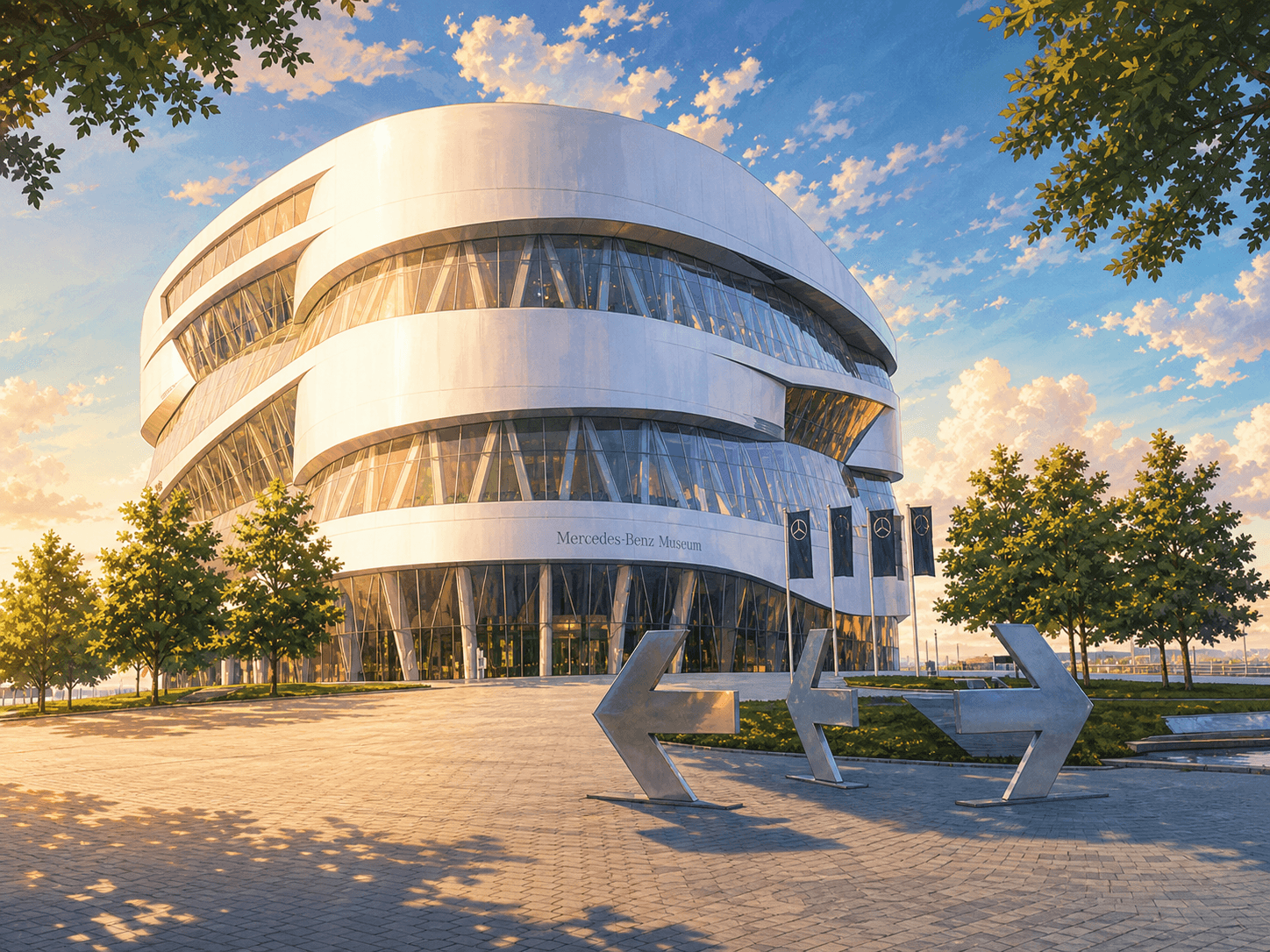
In February 2026, Stuttgart continues its course towards sustainable and barrier-free mobility. The 2025 Local Transport Plan, the digitalization of public transport, and the expansion of tram and bus networks are central topics. The city is pursuing clear climate goals and aims to significantly increase public transport usage by 2030.
Mobility in Stuttgart: Expansion, Digitalization, and Climate Protection in February 2026
Stuttgart is following a clear path in 2026 to shape the mobility of its citizens in a sustainable and future-ready way. The 2025 Local Transport Plan, adopted in November 2025, defines the framework for the expansion of public transport, digitalization, and the integration of rail, bus, and cycling. At the same time, climate protection and barrier-free access remain central – topics that have been intensively discussed in recent weeks and are being implemented in concrete projects.
Expansion of Public Transport and Climate Protection Goals
Stuttgart has set clear goals: By 2030, greenhouse gas emissions are to be reduced by 40 percent, and climate neutrality is to be achieved by 2035. The share of public transport in overall traffic should rise to 39 percent by 2030. To achieve these goals, significant investments in infrastructure will be made in the coming years.
The tram lines U13 and U19 are part of the central expansion plans. The U13 will be extended to Ditzingen, and the U19 to the Mercedes-Benz Museum in Neckarpark. Both projects are part of the overall strategy to improve access to workplaces, educational institutions, and tourist attractions. Funding is provided via the ÖDLA (Public Service Obligation) to the SSB (Stuttgart S-Bahn), which is valid until 2040.
At the same time, the U1 tram line is being adapted to the new 80-meter trains. Stops are being extended and made barrier-free – a priority that also plays a central role in current discussions on barrier-free access to all forms of transport. With 99 percent of tram stops and 832 barrier-free bus stops, Stuttgart has made significant progress, but the work continues. 20–30 stops per year are to be upgraded in the coming years.
Digitalization and Traffic Control Center
Digitalization of public transport is another key issue. The Integrated Traffic Control Center (IVLZ) coordinates public transport, manages bus lanes, and prioritizes public transport signals. 93 percent of traffic lights are already optimized for public transport. The introduction of automatic passenger counting systems (AFZS) enables more precise planning and better recording of passenger volumes.
The main station is also being digitized. The new underground station and the new S-Bahn network are part of this transformation. In addition, a pilot project for the digitalization of parking is being introduced, which includes digital short-term parking permits and "mobile parking." The goal is to reduce parking traffic and at the same time improve the control of parking violations.
Night Transport and On-Demand Transport
Night transport is also being expanded. With ten lines (N1–N10), public transport at night will be significantly better than before. The night bus is geographically well connected and links the main station with Bad Cannstatt, Vaihingen, and other districts. In addition, the on-demand transport service "SSB Flex" is being expanded. The app-based system is electrically powered and integrated into the Polygo platform to provide a flexible and environmentally friendly alternative to traditional public transport.
Integration of Rail, Bus, and Cycling
The integration of rail, bus, and cycling is a central pillar of the city's mobility strategy. 100 intermodal transfer points already exist, 75 percent of them with rail connections. Park+Ride and Bike+Ride stations at central stations like the main station, Plieningen, or the University enable a seamless connection between private and public transport.
Cycling is also being further expanded. New cycle paths are being planned, and existing paths are being marked and made safer. For example, a proposal has been submitted to clearly mark the cycle path at the Aral gas station in Sillenbuch to increase cyclist safety. At the same time, the school routes in several districts are being calmed by school streets and 30 km/h zones – an example of the local integration of the mobility strategy.
Outlook: 2027 Local Transport Plan and Climate Strategy
The new 2027 Local Transport Development Plan will define the next steps. Climate and transport goals are closely linked. The city has defined 71 measures in the Climate Mobility Plan, which are to be implemented by 2030. The integration of traffic data, the use of traffic models, and public participation are central components of this strategy.
Stuttgart is following a clear course – away from individual mobility and towards a sustainable, barrier-free, and digitized public transport system. The challenges are great, but the investments and political will show that the future of mobility in Stuttgart is already being created today.
NeoSearch analyses public council documents, committee minutes and municipal announcements. Source references appear automatically once verified meeting data is available.
What does this mean for businesses?
Town halls, fire stations, depots and administrative buildings create early construction and refurbishment opportunities. Following council agendas reveals projects before they go to tender.
Track similar decisions in your region
Set up monitoring for public buildings & administration in Baden-Württemberg — prefilled from this article.
Set up monitoring →More signals from Stuttgart
Housing and Social Affairs in Stuttgart: Challenges and Reforms in April 2026
In April 2026, decisive debates and reforms in the field of social and housing policy were at the center of attention in Stuttgart. With cuts, investments in health promotion, and the realignment of social infrastructure, the city is showing movement in the face of financial and societal challenges.
Read more → Cultural Impulses and Community Work in Stuttgart – Focus on April 2026
In April 2026, Stuttgart will provide impulses for cultural and social development in several districts. Particularly in Hedelfingen and Nord, cultural projects, citizen participation, and local initiatives were in the spotlight. An overview of the most important decisions and developments in the field of culture and community.
Read more → Education in Stuttgart: Analysis of the April 2026 Decisions
In April 2026, Stuttgart intensely addressed the future of its educational policy. The third municipal education report, new support programs and initiatives for integration, as well as investments in school infrastructure formed the core of the decisions that redefined the transition from school to vocational training and professional life.
Read more →