Offenburg April 2026: Traffic, Finances, and Integration in Focus
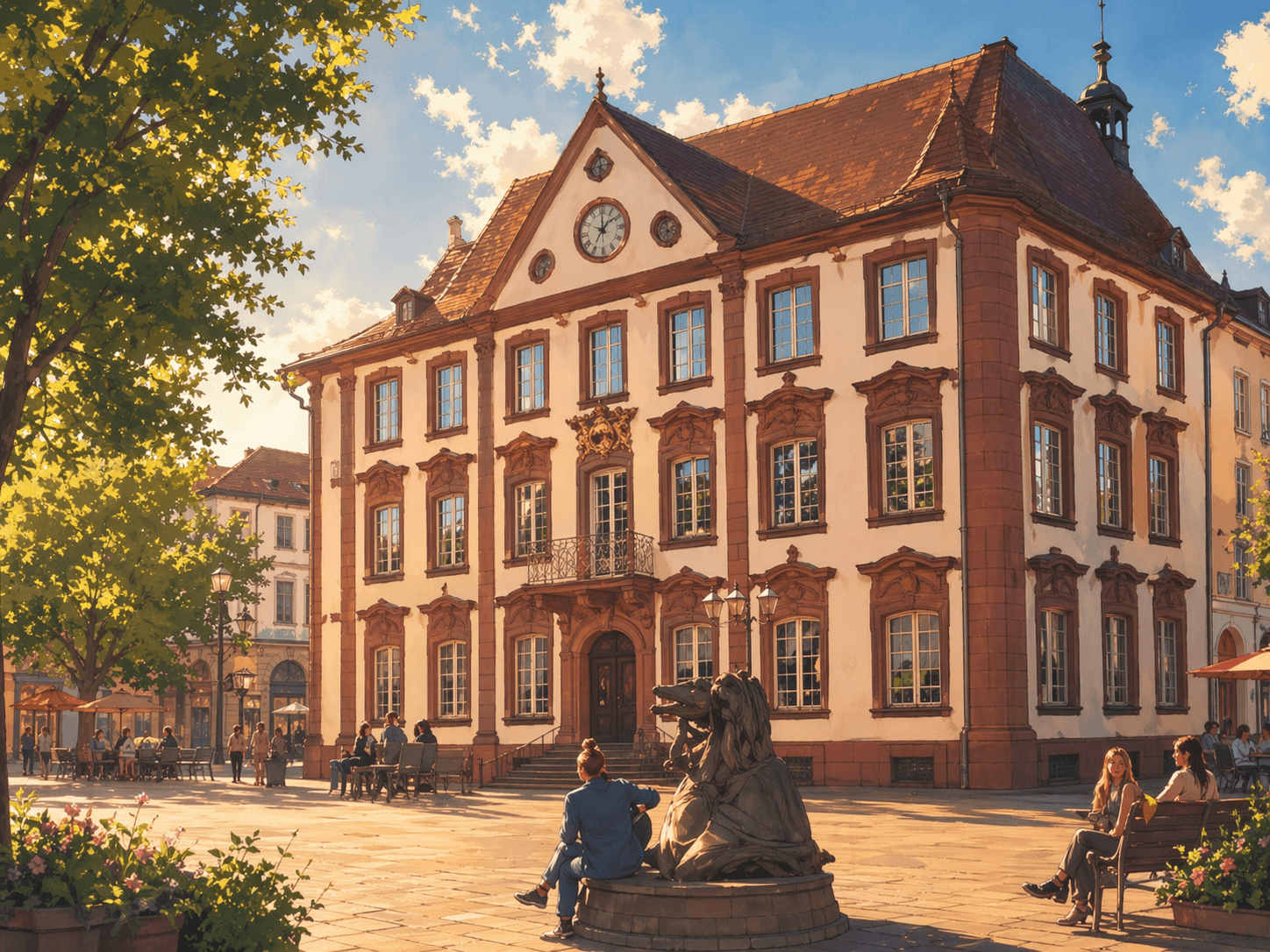
In April 2026, Offenburg made key decisions on traffic, financial planning, and integration. The Traffic Committee laid the groundwork for 30 km/h zones and sidewalk parking concepts, the Municipal Council approved the overnight stay tax, and the Integration Advisory Board discussed language support and civic engagement.
Traffic and Mobility in Focus
30 km/h Zones and Sidewalk Parking
The Traffic Committee made decisive measures in April 2026 to improve road safety and the use of public space. In several districts such as Zähringer Straße or Am Wiesenrain, new 30 km/h zones are being introduced. In addition, a city-wide concept for regulating sidewalk parking was approved to more fairly distribute public space.
These measures are part of the Masterplan "Zukunftswege", which is based on the results of a mobility survey and youth participation. The Traffic Committee has recommended that the administration advocate for the implementation of central measures at the state level.
City Bus Transport and Traffic Light Offensive
For city bus transport, it was decided that the administration must issue a new service contract for the period 2027–2042, if no private offers are available. In addition, the modernization of the traffic light network will continue, including the establishment of a central control system. These measures aim to improve road safety and efficiency.
Renovation of Badstraße and Evaluation of Zeller Straße
The renovation of the southern section of Badstraße was unanimously approved and follows the administration's proposal. In addition, the final report on the evaluation of the bicycle street Zeller Straße Ost was acknowledged. The results of this evaluation will be taken into account in future planning.
Finance and Construction
Overnight Stay Tax and Rent Index
The Municipal Council adopted the overnight stay tax regulation on April 20, 2026. It will come into effect on July 1, 2026 and remain stable for five years initially. In addition, a qualified rent index for 2026 was recognized, which was developed taking into account the consumer price index. The rent index will come into effect on June 1, 2026 and is an instrument for transparency in the housing market.
Renovations and New Construction
Several renovation projects were launched in the education and culture sectors: The primary schools Fessenbach and Griesheim as well as the Education House Zunsweier will be converted into full-day schools. In addition, the Old Slaughterhouse Building (Canvas22) and the Old Switchgear Building (LAB22) will be renovated and used as studio and event spaces.
900,000 euros in unplanned funds were approved for the renovation of the Max-Wenk Staircase, in order to be able to conclude contracts before the approval of the double budget.
Integration in Offenburg
Language Support and Civic Engagement
The Integration Advisory Board discussed in its April session the effects of cuts in the area of integration courses and the role of civic engagement. Practical examples such as the initiative "Wir lernen Deutsch Offenburg" were presented. This supplementary language support is especially important as state courses are less available.
In addition, the specialist unit mobirex was introduced, a state-wide institution that supports integration work. The advisory board emphasizes the need to strengthen civic structures even in times of cost-cutting measures.
Cross-Topic: Urban Development in the Tension Between Safety, Financial Planning, and Inclusion
The decisions of April 2026 show that Offenburg is consciously focusing on several central challenges: Safety in traffic, transparency in the housing market, investments in education and culture, as well as inclusion and integration. The future-readiness of the city is in the foreground – both in infrastructural and social terms.
The continuation of 30 km/h zones, the modernization of traffic lights, and the adjustment of the rent index are examples of how the city is responding to changes in the social and economic environment. At the same time, the strengthening of integration work and the investments in schools and culture show that Offenburg also has social cohesion in focus.
Conclusion and Outlook
April 2026 was marked in Offenburg by concrete decisions in the areas of traffic, financial planning, and integration. The adopted measures show that the city is responding both to the future and to the current needs of its citizens. In May, the Municipal Council on May 11 will be the focus, which will take over the recommendations of the committees for final decision-making. In the coming months, it will therefore be interesting to observe how the April decisions are integrated into concrete urban development.
NeoSearch analyses public council documents, committee minutes and municipal announcements. Source references appear automatically once verified meeting data is available.
What does this mean for businesses?
Town halls, fire stations, depots and administrative buildings create early construction and refurbishment opportunities. Following council agendas reveals projects before they go to tender.
Track similar decisions in your region
Set up monitoring for public buildings & administration in Baden-Württemberg — prefilled from this article.
Set up monitoring →More signals from Offenburg
Offenburg's Financial Policy in April 2026: Tax Reforms, Budget Planning, and Investments
In April 2026, Offenburg made important decisions in financial policy, including the introduction of an overnight stay tax, the adoption of the double budget for 2026/2027, and investments in education and heritage protection. This blog analyzes the background, impacts, and future perspectives of these measures.
Read more → Offenburg's Mobility Transformation: The Master Plan and its Implementation
Offenburg has set out on an ambitious path with its Traffic Master Plan 2035 to shape urban mobility in a climate-friendly and future-ready way. In April 2026, several decisions were made that set the direction – from the electrification of the bus fleet to the modernization of traffic light control.
Read more → Offenburg's Integration Policy in April 2026: Challenges and Initiatives in Focus
In April 2026, important decisions and initiatives in the field of integration policy were at the forefront in Offenburg. The Integration Advisory Board, new educational offerings, and challenges posed by federal decisions shaped the developments.
Read more →