Environment and Climate in Konstanz: Focus on Sustainability and Remediation in February 2026
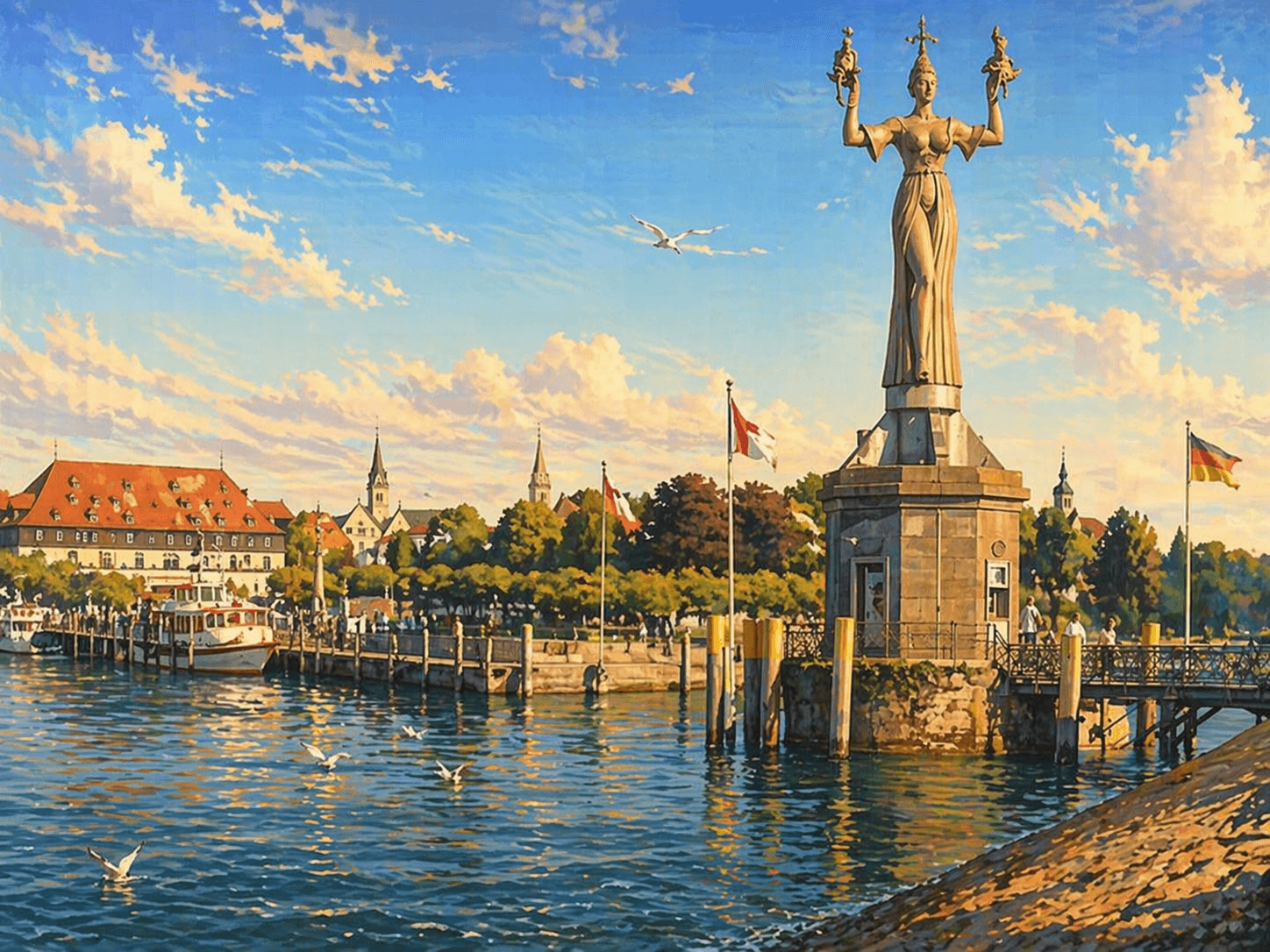
In February 2026, Konstanz was at the forefront of key environmental and climate debates. From the remediation of a landfill to the creation of nature monuments – the city is focusing on long-term ecological measures.
Konstanz in the Focus of Climate Protection: What Was Decided in February 2026
In February 2026, the Technical and Environmental Committee of the city of Konstanz engaged intensively with issues that will have a lasting impact on the region's environmental and climate policy. In addition to the remediation of an old landfill, legal adjustments, the protection of nature monuments, and the planning of a mobility pass were at the center of the discussions. These decisions demonstrate how the city of Konstanz is responding to long-term ecological challenges while simultaneously overcoming political and legal obstacles.
Remediation of the Konstanz-Dorfweiher Landfill
The remediation of the leachate drainage system at the Konstanz-Dorfweiher landfill was one of the central topics of the meeting. Built in the 1970s, the landfill has long been plagued by environmental problems. In particular, leachate from the landfill material has posed a threat to groundwater.
The city now submitted an application for the necessary forest conversion in order to carry out the remediation work. This involves temporarily removing the planned construction area from its protected area status. Critics fear that such measures could intensify deforestation. However, the administration emphasizes that the remediation will enable long-term improvements in environmental conditions and that the forest area will be restored after the work is completed.
The debate highlighted the tension between short-term ecological disruptions and long-term protection – a typical issue in environmental planning.
Extensive Nature Monuments: Balancing Protection and Politics
Another significant decision process was the motion by the FGL & Greens faction to designate extensive nature monuments. Such monuments serve to protect particularly valuable or sensitive natural landscapes from disproportionate interventions.
In Konstanz, the focus was particularly on forest areas and wetlands considered to be of high ecological value. The designation of these areas means that future construction projects will only be approved under strict conditions. This protective mechanism aims to preserve biodiversity while simultaneously strengthening the resilience of urban nature.
While the administration supported the motion, there were also discussions about its practical implications. In particular, developers and investors fear that the protection could lead to delays in the zoning process. At the same time, environmental organizations emphasized that the designation of nature monuments is a crucial step toward achieving climate protection goals.
Climate Protection and Housing: The "Bauturbo" Legislative Motion
Another politically sensitive issue was the amendment to the main municipal ordinance in connection with the so-called "Bauturbo" (construction turbo) law. This federal law aims to accelerate housing construction, for example by shortening approval procedures and delegating approvals.
In Konstanz, this meant that certain approval requirements for construction applications would be delegated to the city administration. While this could shorten construction times, it also carries risks for compliance with environmental regulations. In particular, in sensitive areas – which are common in Konstanz – the delegation of decision-making authority could lead to less transparent processes.
The debate around the "Bauturbo" legislative motion revealed the tension between climate protection and housing policy. While the city acknowledges the need for housing, it also emphasizes careful planning to minimize environmental impacts.
Outlook: What's Next with the Mobility Pass?
Another thematic focus was the clarification of responsibilities between the city of Konstanz and the district for the introduction of a mobility pass. The mobility pass is an instrument to promote sustainable mobility, particularly in public transport.
The administration is working to clearly define responsibilities for funding and implementation. The discussion centers on whether the pass will be valid only within the city or also throughout the entire district. This has implications for costs, funding, and usability.
The debate shows how closely climate policy is linked to mobility planning. The mobility pass is an example of how Konstanz is thinking toward climate neutrality – by promoting public transport, reducing individual traffic, and increasing acceptance of climate-friendly mobility forms.
Conclusion: Sustainability as a Long-Term Challenge
February 2026 was a month in Konstanz in which the city addressed key issues in the field of environment and climate. From the remediation of a landfill to the creation of nature monuments – the decisions show how the city is planning sustainably and at the same time striving to overcome political and legal hurdles.
However, the debates around the "Bauturbo" and the mobility pass also show that there are still many open questions. The future of climate policy in Konstanz depends on how well the city is able to balance different interests and align long-term ecological goals with immediate action needs.
NeoSearch analyses public council documents, committee minutes and municipal announcements. Source references appear automatically once verified meeting data is available.
What does this mean for businesses?
Municipal heat planning, photovoltaics and climate measures create early project indicators. Following council decisions surfaces sites and tenders before they are publicly advertised.
Track similar decisions in your region
Set up monitoring for environment & climate in Baden-Württemberg — prefilled from this article.
Set up monitoring →More signals from Konstanz
Konstanz: Urban Development and Construction in April 2026
In April 2026, the city of Konstanz intensively addressed issues of urban development and infrastructure. From zoning plans to traffic management and energy-saving measures, decisive steps were taken. An overview.
Read more → April 2026: Konstanz Invests in Infrastructure, Climate Protection, and District Heating
In April 2026, the city of Konstanz set key milestones for infrastructure, climate protection, and energy production. Large sums were invested in urban development, the renovation of green spaces, and the new city library. An overview of the most important developments.
Read more → Cultural Impulses in Constance: March 2026 in Focus
In March 2026, cultural development took center stage in Constance. Numerous meetings and reports examined the current situation in orchestral culture, music education, gallery operations, and library policy. An overview of the most important decisions and developments.
Read more →