Konstanz: Urban Development and Construction in April 2026
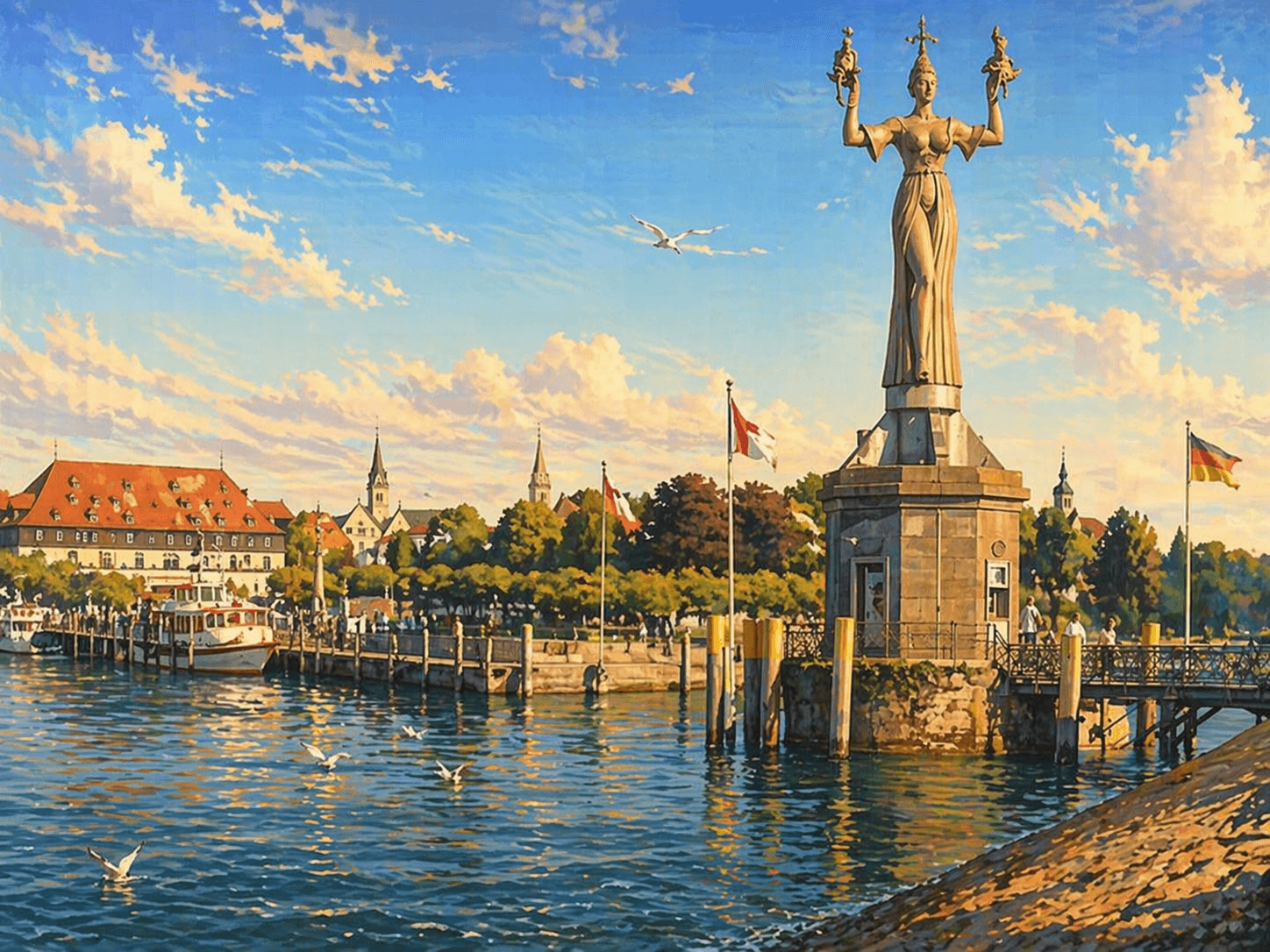
In April 2026, the city of Konstanz intensively addressed issues of urban development and infrastructure. From zoning plans to traffic management and energy-saving measures, decisive steps were taken. An overview.
Urban Development in Konstanz: A Bridge to the Future
In April 2026, Konstanz entered an exciting chapter of urban development. The city, known as a bridge between Germany and Switzerland, set accents in construction and administrative planning that aim at sustainability, infrastructure, and traffic management. The decisions by the city council and the responsible committees show how the city is responding to challenges such as population growth, climate change, and traffic congestion.
Zoning Plan Sonnenbühlstraße-Mainaustraße: A Step Toward the Future
The zoning plan "Sonnenbühlstraße-Mainaustraße" marks a central planning initiative for the urban space. With early public consultation and involvement of public interest groups (Decision 2025-1282), Konstanz is focusing on transparent and inclusive planning processes. This area of the city will be used in the future not only for housing, but also for social infrastructure and green spaces. The planning represents a step toward shaping the urban space in a sustainable and livable manner.
Energy Saving and Digitalization: Two Pillars of Future Policy
With the project decision for "Enhanced Use of Energy-Saving Contracting" (2026-1341), Konstanz demonstrates that climate protection and energy efficiency are no longer just secondary issues. Through contracting models, the city can reduce energy costs and CO2 emissions in the long term—without having to bear high investment costs from its own budget.
At the same time, Konstanz is relying on digital solutions in traffic management (2026-1524). With digital traffic management systems, the city can optimize traffic flow, reduce congestion, and at the same time minimize environmental stress. These measures are of particular importance in a city like Konstanz, which is strongly influenced by tourists and commuters.
Traffic Management: Practicality and Financial Realities
Another focus was the evaluation of a possible one-way traffic ring on high-traffic days (2026-1419). This model, which has already proven successful in other cities, could optimize traffic flow in the city center. At the same time, it was decided to secure manual traffic management financing on such days (2026-1501). This measure underlines the need to develop both short-term and long-term solutions for traffic flow.
At the same time, the city reduced the number of traffic assistants (2026-1537), which sparked criticism from the public. The reasoning: the cost-benefit ratio is no longer favorable, especially since digital alternatives and flexible traffic management models are increasingly being used. Nevertheless, the question remains whether this reduction will affect the safety of pedestrians and cyclists.
Educational Infrastructure: Container Replacement Spaces as a Necessity
Another important topic was the project decision and additional funding for container replacement spaces at schools (2026-1573). In a city with a growing population and increasing demand for educational places, such measures are unavoidable. The decision for container replacement spaces shows that the city is responding to short-term challenges, but also hopes for long-term solutions that meet future needs.
Outlook: Urban Development in Balance Between Innovation and Tradition
The decisions in April 2026 show how Konstanz is balancing innovation and tradition. The city is relying on modern technologies, but is maintaining a focus on social and ecological sustainability. Whether zoning plans, energy-saving measures, or digital traffic management solutions—each topic is part of a larger plan that positions Konstanz as a livable, green, and modern city.
The challenges are great, but the city's ambitions are equally so. In May 2026, it will become clear which of these measures can be implemented in practice—and which still need to be reconsidered.
NeoSearch analyses public council documents, committee minutes and municipal announcements. Source references appear automatically once verified meeting data is available.
What does this mean for businesses?
Schools, daycare centres and public buildings create early planning and construction opportunities. Following council agendas surfaces tenders for refurbishment, new builds and fit-out months before the official award — from shell construction to specialist planning to furnishing.
Track similar decisions in your region
Set up monitoring for education & public facilities in Baden-Württemberg — prefilled from this article.
Set up monitoring →More signals from Konstanz
April 2026: Konstanz Invests in Infrastructure, Climate Protection, and District Heating
In April 2026, the city of Konstanz set key milestones for infrastructure, climate protection, and energy production. Large sums were invested in urban development, the renovation of green spaces, and the new city library. An overview of the most important developments.
Read more → Cultural Impulses in Constance: March 2026 in Focus
In March 2026, cultural development took center stage in Constance. Numerous meetings and reports examined the current situation in orchestral culture, music education, gallery operations, and library policy. An overview of the most important decisions and developments.
Read more → Urban Development in Konstanz in March 2026: Housing Construction, District Heating, and Planning Procedures
In March 2026, Konstanz focused on a number of measures in the areas of urban development and construction planning. In addition to concrete housing projects, regional planning procedures and energy initiatives were also significantly advanced.
Read more →