Konstanz: Budget and Financial Policy in March 2026 – Stability and Investments in Focus
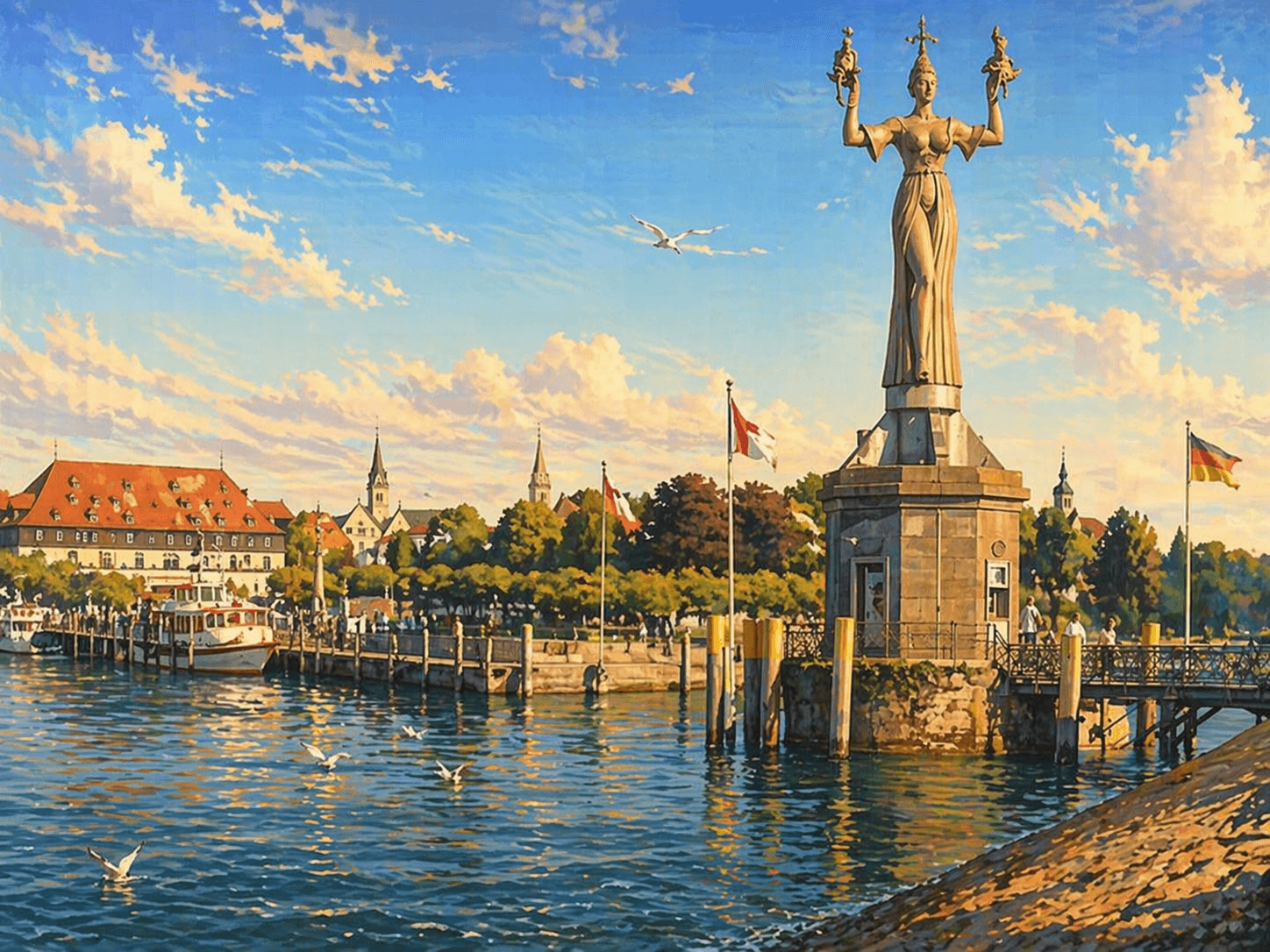
In March 2026, Konstanz was the site of numerous financial policy decisions. The Main, Finance, and Climate Committee laid the groundwork for the 2026 budget planning, implemented investments in infrastructure and culture, and updated local regulations. An overview of the most important decisions.
Budget and Financial Policy in March 2026 – Stability and Investments in Focus
The city of Konstanz has stood out in recent years as a model for sustainable financial planning and investments in social and cultural infrastructure. In March 2026, the Main, Finance, and Climate Committee continued this course – with a series of decisions affecting both the stability of the budget and future-oriented investments. The focus was on the evaluation of the 2025 annual accounts, the preparation of the 2026 budget, the use of grants, and the revision of the parking fee ordinance.
2025 Budget Closure: Stability Despite Challenges
The preliminary 2025 annual accounts were officially acknowledged on March 19, 2026. The results show a stable financial situation for the city, despite rising expenditures in the areas of social services and climate protection measures. Particularly noteworthy is the fact that the city was able to maintain its revenues in key areas – especially from taxes and fees – at a stable level.
Additionally, unplanned expenses for disaster protection and unexpected investments in municipal enterprises were taken into account. These decisions highlight the flexibility of the budget framework, which allows the city to respond to crises without endangering long-term financial stability.
Investments in Infrastructure and Culture: Utilizing LuKIFG Funds
Another focus of the March session was the use of funds from the Länder-und-Kommunal-Infrastrukturfinanzierungsgesetz (LuKIFG). The city specifically used these grants for the expansion of bicycle paths, the preservation of historical city areas, and the renovation of municipal schools.
These investments are not only part of a long-term strategy to enhance the quality of life in Konstanz, but also a sign of cooperation with the federal and state governments in implementing climate protection goals. The decision on fund usage was unanimously acknowledged – an indicator of broad political support.
AWOLI Festival 2026: Culture as an Investment in the City
In addition to infrastructure measures, cultural development was also a central topic. The subsidy for the AWOLI Festival 2026 was unanimously approved. With over 300,000 euros, the city is financing a festival that not only supports local artists but also serves as a tourist attraction.
This decision underlines the importance of culture as part of the city's identity and economic development. The AWOLI subsidy is an example of how cultural investments can create long-term economic benefits – for instance, through increased overnight stays and more visitors in the city center.
Parking Fee Ordinance: Revision for Greater Clarity
The revised version of the parking fee ordinance was also unanimously approved. The aim of the adjustment is to make the fee structure more transparent while also providing greater flexibility for commuters and tourists. For example, the introduction of daily parking tickets is being considered, which could be more attractive for visitors.
These changes are part of a broader strategy to adapt parking policy to the needs of the population – without endangering financial revenues. The ordinance is also part of the city's sustainability strategy, as it encourages the switch to cycling or public transport.
Outlook: Stability and Investments as a Recipe for Success
The March decisions show that Konstanz follows a clear course in financial policy: stability through disciplined budget management, investments in infrastructure and culture, and high transparency in administration. This strategy has proven successful in recent years and will remain central in the future – not least to master the challenges of demographic change and climate protection.
NeoSearch analyses public council documents, committee minutes and municipal announcements. Source references appear automatically once verified meeting data is available.
What does this mean for businesses?
Municipal council decisions are early indicators: following the council agenda surfaces projects and tenders months before the official award — before they ever reach the procurement portals.
Track similar decisions in your region
Set up monitoring for Finance and Budget in Baden-Württemberg — prefilled from this article.
Set up monitoring →More signals from Konstanz
Konstanz: Urban Development and Construction in April 2026
In April 2026, the city of Konstanz intensively addressed issues of urban development and infrastructure. From zoning plans to traffic management and energy-saving measures, decisive steps were taken. An overview.
Read more → April 2026: Konstanz Invests in Infrastructure, Climate Protection, and District Heating
In April 2026, the city of Konstanz set key milestones for infrastructure, climate protection, and energy production. Large sums were invested in urban development, the renovation of green spaces, and the new city library. An overview of the most important developments.
Read more → Cultural Impulses in Constance: March 2026 in Focus
In March 2026, cultural development took center stage in Constance. Numerous meetings and reports examined the current situation in orchestral culture, music education, gallery operations, and library policy. An overview of the most important decisions and developments.
Read more →