Culture and Community in Karlsruhe: What Lies Behind the Cultural Committee?
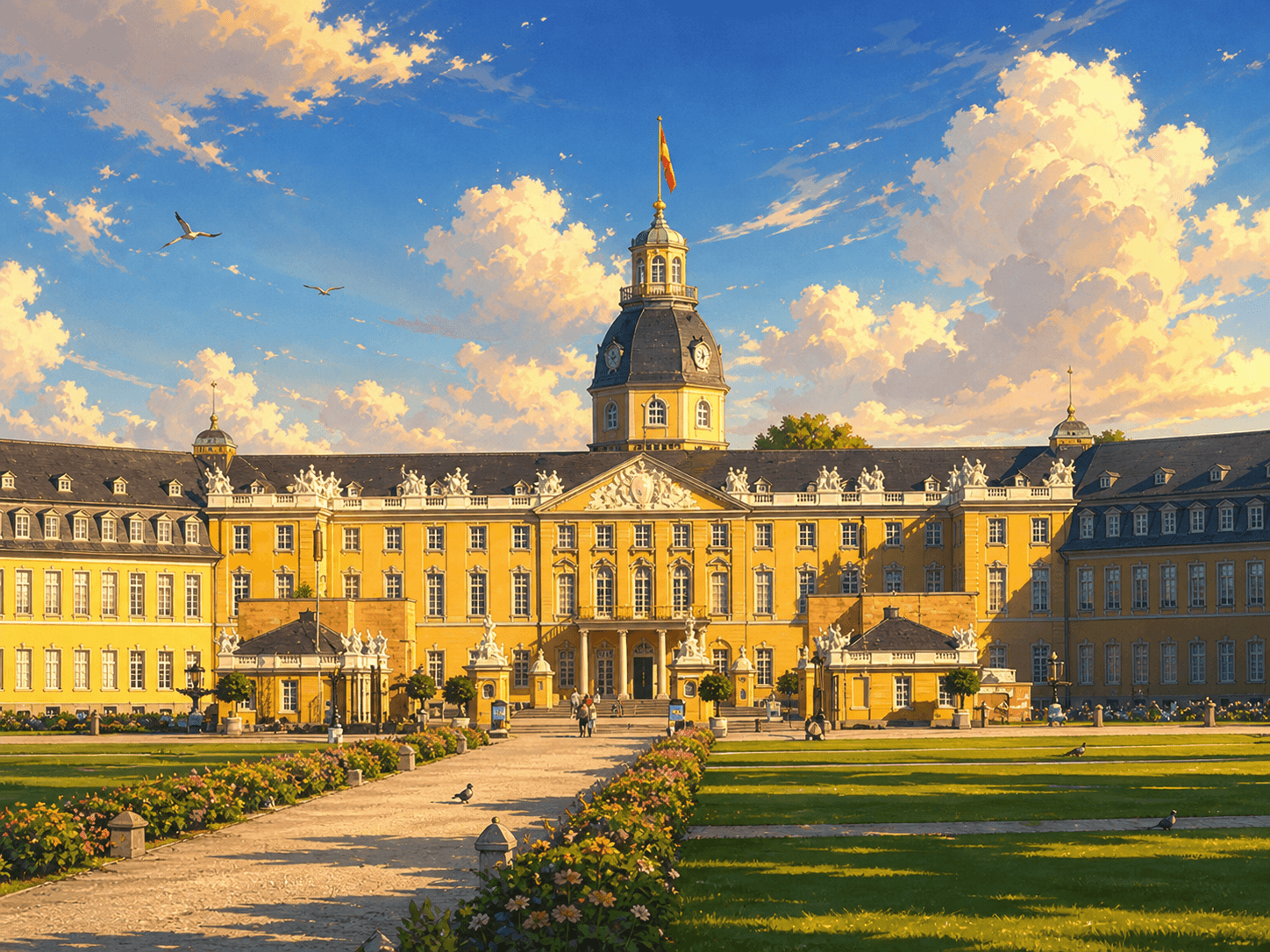
In March 2026, the Cultural Committee came into the public spotlight in Karlsruhe. Although no detailed agenda was published, the committee itself became the focus – not least due to the transparency of its membership list. How does Karlsruhe approach cultural policy, and what role does the Cultural Committee play?
Cultural Policy in Karlsruhe: A City in Transition
Culture is more than just events or museums – it shapes the identity of a city, strengthens a sense of community, and promotes social integration. Karlsruhe, one of the largest cities in Baden-Württemberg, has increasingly positioned itself as a culturally diverse and dynamic city in recent years. Yet behind the scenes, in meetings such as those of the Cultural Committee, the decisions are made that enable this development.
The Cultural Committee: Transparency and Mystery
The Cultural Committee met on March 27, 2026, in the BürgerSaal of the city of Karlsruhe. Although the meeting was publicly announced, the agenda remained confidential. This has raised questions about transparency among some citizens and the media. However, the membership list was published – a rare gesture that at least provides an initial insight into the structure of decision-making.
The list includes names, parties, roles, and terms of office of the members. This makes it clear that the committee consists of a mix of politically engaged actors and independent experts. This composition reflects the broad interest in cultural policy in Karlsruhe and could also be understood as a strategy to include both political and artistic perspectives in decision-making processes.
What Does This Mean for the Future of Culture in Karlsruhe?
Despite the lack of an agenda, a trend is discernible: The Cultural Committee is no longer seen just as an advisory body, but increasingly as a central actor in Karlsruhe's cultural policy. The planning of the next meeting for October 21, 2026, also shows that this is not a one-off event, but a continuous structure.
The challenge now lies in increasing transparency and participation. Public access to decision-making processes is essential to gain the trust of citizens. Moreover, it is important to communicate the outcomes of such meetings more effectively to the public – for example, through press releases, summaries, or public forums.
Outlook: Cultural Policy as an Investment in the Future
Cultural policy is not a side issue – it is a central building block for the development of a vibrant city. In Karlsruhe, 2026 has shown that the Cultural Committee plays a key role. How the city will handle this responsibility in the coming months and years – and whether it will further expand transparency – will be decisive for the future of Karlsruhe's cultural landscape.
NeoSearch analyses public council documents, committee minutes and municipal announcements. Source references appear automatically once verified meeting data is available.
What does this mean for businesses?
Municipal council decisions are early indicators: following the council agenda surfaces projects and tenders months before the official award — before they ever reach the procurement portals.
Track similar decisions in your region
Set up monitoring for Culture and Community in Baden-Württemberg — prefilled from this article.
Set up monitoring →More signals from Karlsruhe
Sports and Safety in Karlsruhe: The Debate on Lighting the Calisthenics Facility
In April 2026, Karlsruhe is intensively discussing the lighting of the Calisthenics facility on Karl-Hubbuch-Weg. The SPD is calling for an evaluation, while the city utility company and experts raise concerns. An overview of the background, costs, and alternatives.
Read more → Mobility in Hohenwettersbach: Challenges and Opportunities in April 2026
In April 2026, several mobility-related decisions were in focus in Hohenwettersbach, a district of Karlsruhe, aiming at climate-friendly alternatives and better school connectivity. The local council discussed proposals for the expansion of car-sharing and bicycle rental stations as well as improvements to the school bus service.
Read more → Financial Policy in Karlsruhe: Budget Decisions and Investments in April 2026
Karlsruhe’s Main and Finance Committee made important decisions regarding the city’s budget in April 2026. In this deep dive, we explore the background, the involved actors, and the long-term implications of these measures.
Read more →