Governance and Administration in Karlsruhe – April 2026
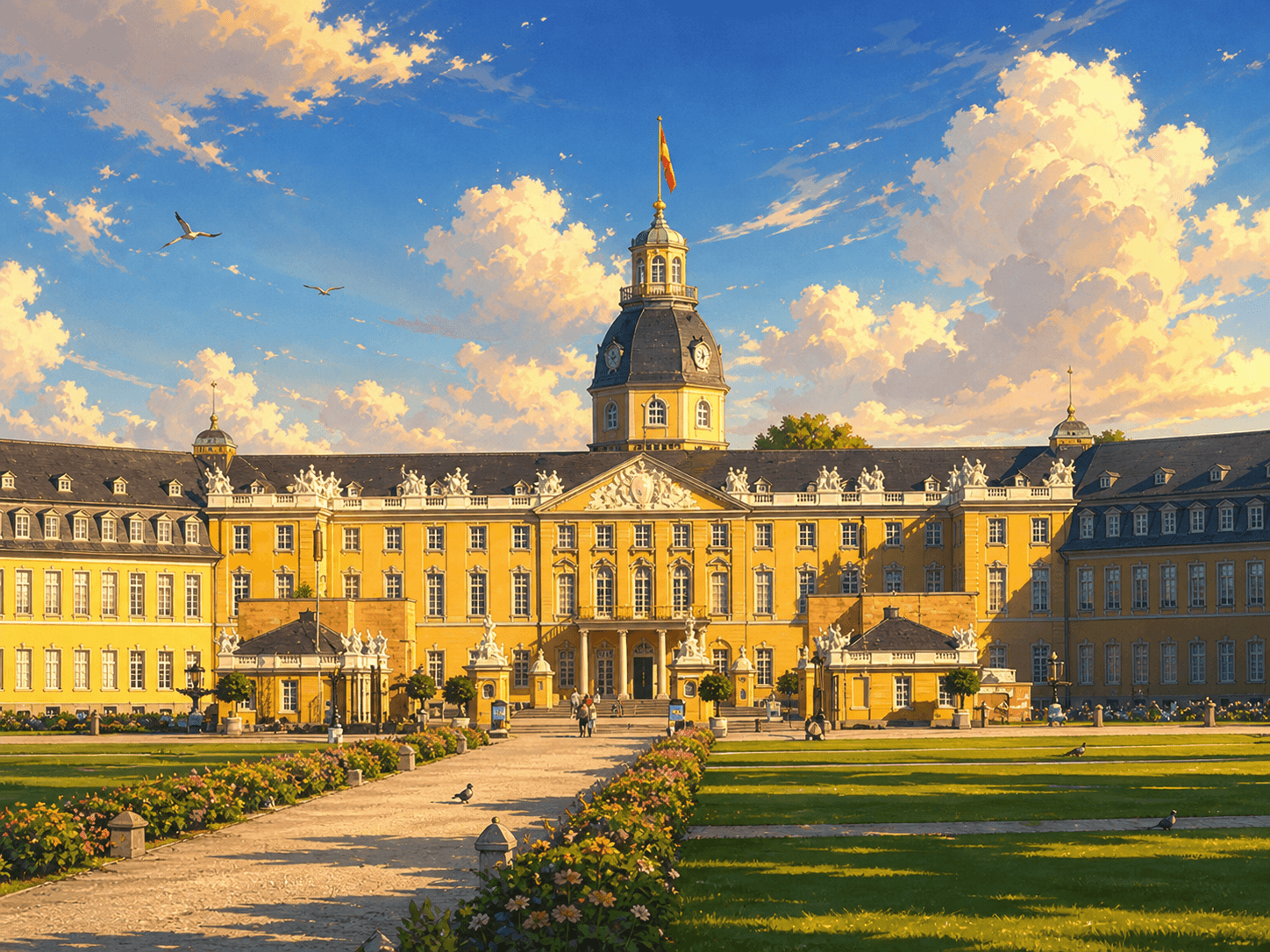
In April 2026, Karlsruhe's City Council and local councils intensively addressed personnel restructurings, committee appointments, and organizational challenges. The focus was on succession planning, administrative adjustments, and the implementation of climate and social measures.
Governance and Administration: Personnel and Structural Changes in Karlsruhe
In April 2026, Karlsruhe's municipal administration experienced a range of personnel and structural developments that activated both the City Council and the local councils. These measures reflect the dynamics of a city with a complex administrative structure that must continuously adapt to changing political, legal, and organizational circumstances.
Succession and Reappointments in Committees
At the center of the discussions were personnel changes in the city's most important committees. As of April 30, 2026, Franziska Buresch (The Left) left the City Council. Her successor, Leyla Duran, was appointed as the next substitute from the candidate list. However, in accordance with legal requirements, the City Council had to reconfirm that no grounds for exclusion under § 29 (1) GemO applied for Frau Duran.
Benjamin Bauer (Greens) also left the City Council, to be succeeded by Bernd Belschner. Following these changes, reappointments in committees and councils took place. Belschner assumed several roles, including positions in the Committee for Economy and Science, the Culture Committee, and the Membership Assembly of the Adult Education Center (VHS). These personnel adjustments not only affect the city's internal committees but also supervisory and foundation boards of municipal enterprises, where the new members must be approved by the shareholders' meeting.
Departmental Allocation Plan and Administrative Reform
Another central topic was the updated Departmental Allocation Plan, which came into effect on April 1, 2026. Mayor Dr. Frank Mentrup remains Chair of the City Council and Head of the Administration. The distribution of responsibilities among the departments was adjusted, particularly in the areas of External Relations and Strategic Marketing. The Office of External Relations and Strategic Marketing (SAM) was dissolved and integrated into the Press Office. In addition, Volkswohnung Bauträger GmbH was removed from the scope of Department 6, as it had already been liquidated.
These administrative adjustments do not have direct financial consequences, but they demonstrate the city's determination to optimize its structures and use resources more efficiently. The reform emphasizes the importance of transparency and efficiency in municipal administration.
Climate Adaptation and Social Measures in Neighborhoods
In the local councils as well, topics such as climate adaptation and social integration were in focus. In the Stupferich Local Council, the Green Party faction discussed climate adaptation measures, particularly with regard to heat and drought adaptation. Although Karlsruhe has a city-wide climate adaptation strategy, no concrete measures for Stupferich are currently planned. The administration emphasized that implementation at the district level depends on the responsibility of the relevant departments and projects.
In contrast, the Wolfartsweier Local Council debated the conversion of the electricity supply to underground cables. This measure is part of efforts to make the infrastructure safer and more climate-friendly. According to reports, 73% of the electricity supply has already been converted to underground cables, and further projects are in planning.
Outlook: Stability Amidst Change
In April 2026, Karlsruhe's governance and administrative structure was marked by a high degree of dynamism. The personnel restructurings in committees and departments are necessary steps to ensure the stability of the municipal administration. At the same time, it becomes evident that even in times of political change and organizational challenges, the city of Karlsruhe is able to act continuously and purposefully.
For the future, it will be crucial to see how these new structures function in practice and whether they meet the expectations of the population for a modern, efficient, and transparent municipal administration.
NeoSearch analyses public council documents, committee minutes and municipal announcements. Source references appear automatically once verified meeting data is available.
What does this mean for businesses?
Town halls, fire stations, depots and administrative buildings create early construction and refurbishment opportunities. Following council agendas reveals projects before they go to tender.
Track similar decisions in your region
Set up monitoring for public buildings & administration in Baden-Württemberg — prefilled from this article.
Set up monitoring →More signals from Karlsruhe
Sports and Safety in Karlsruhe: The Debate on Lighting the Calisthenics Facility
In April 2026, Karlsruhe is intensively discussing the lighting of the Calisthenics facility on Karl-Hubbuch-Weg. The SPD is calling for an evaluation, while the city utility company and experts raise concerns. An overview of the background, costs, and alternatives.
Read more → Mobility in Hohenwettersbach: Challenges and Opportunities in April 2026
In April 2026, several mobility-related decisions were in focus in Hohenwettersbach, a district of Karlsruhe, aiming at climate-friendly alternatives and better school connectivity. The local council discussed proposals for the expansion of car-sharing and bicycle rental stations as well as improvements to the school bus service.
Read more → Financial Policy in Karlsruhe: Budget Decisions and Investments in April 2026
Karlsruhe’s Main and Finance Committee made important decisions regarding the city’s budget in April 2026. In this deep dive, we explore the background, the involved actors, and the long-term implications of these measures.
Read more →