Heidelberg's Urban Development in February 2026: From Gas Lamps to a Four-Track Station
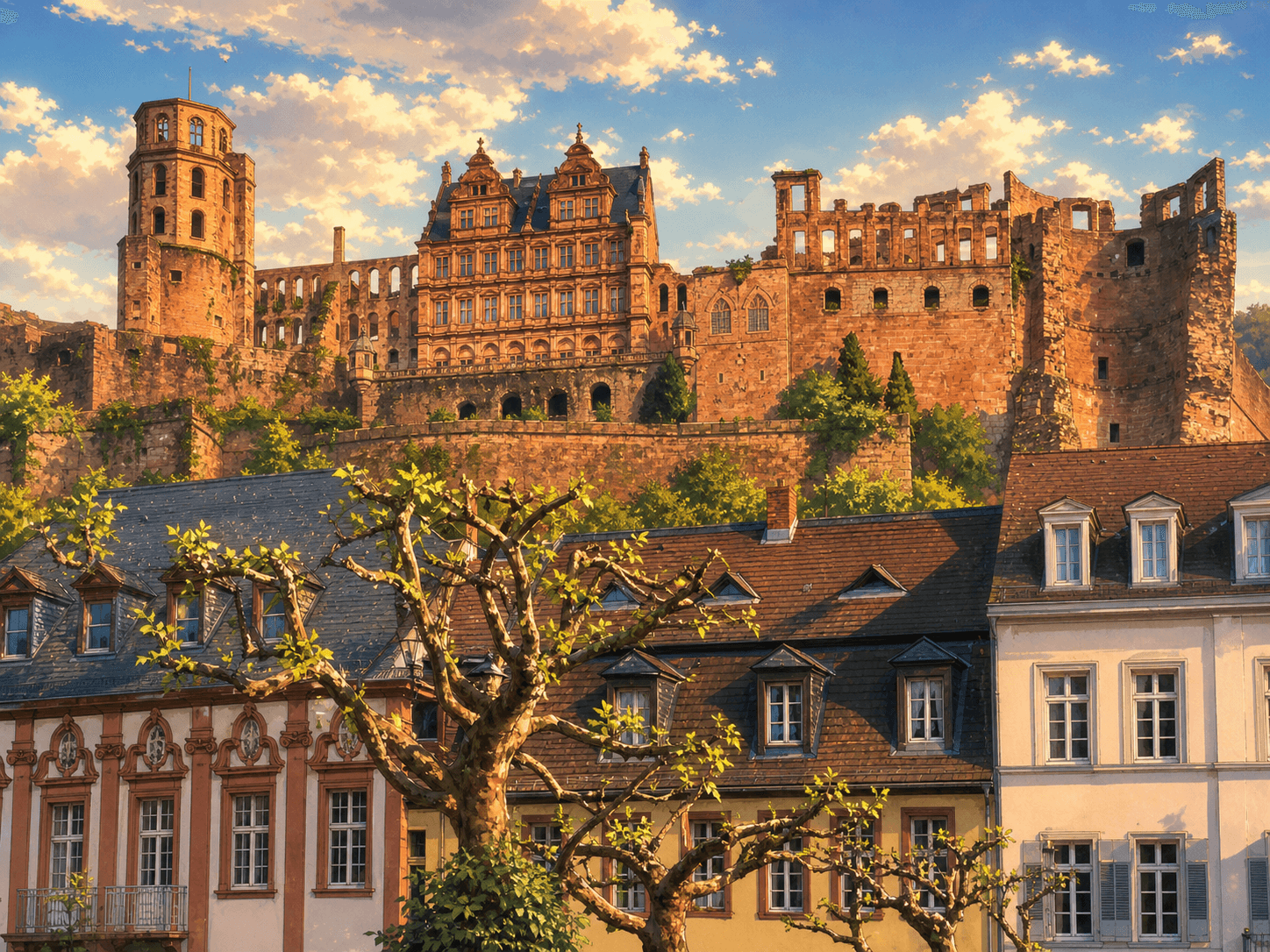
In February 2026, the city of Heidelberg set important milestones in urban development: from the expansion of the English Institute to the modernization of gas lamps and the four-track railway expansion. The Committee for Urban Development and Construction approved several projects that will shape Heidelberg’s future as a vibrant, scientific, and climate-friendly city.
Urban Development in Motion: Heidelberg in February 2026
Heidelberg continues to stand at the intersection of science, culture, and modern infrastructure. In February 2026, the Committee for Urban Development and Construction made a series of decisions that include both short-term effects and long-term planning. The topics range from the expansion of the English Institute, the future of gas lamps, to traffic infrastructure. These decisions reflect the challenges of a growing city that must focus on innovation, sustainability, and identity.
Development Plan for Südstadt: Expansion of the English Institute
A central issue in the committee was the development plan for the expansion of the English Institute in Südstadt. The planning area covers 2.6 hectares and is located in the heart of Südstadt, directly adjacent to Kirschgartenstraße, Turnerstraße, and Lenbachweg. The design includes two building blocks with four and five floors, including the construction of a new three-court sports hall and a modern cafeteria.
The development plan was established under the accelerated procedure of §13a of the Building Code, indicating the urgency of the project. The existing rooms of the gymnasium and elementary school are outdated, and the sports hall is in a poor condition. The planning takes into account environmental aspects such as greening, noise protection, and species protection, particularly for bats and breeding birds.
The financing of the studies is covered by the English Institute itself, showing that the school is actively involved in the planning process. The feasibility study and implementation of construction measures are planned for the coming years, with the final approval by the City Council scheduled for March 2026.
Future of Gas Lamps: Culture or Climate?
Another discussed topic was the future of gas lamps in Heidelberg. The faction Bündnis 90/Die Grünen requested a report on the current status, financing, and energy efficiency of the lighting. Gas lamps consume more energy and require more maintenance compared to LED lighting. At the same time, they have historical significance, especially in areas like Häusserstraße, where a section is preserved as a "Gas Lamp Museum."
The motion calls for an evaluation of whether the gas lamps should be replaced with LED lighting or preserved. The city has agreed to commission a report that also considers the safety aspects of the lighting. In other cities like Berlin or Lübeck, gas lamps have been preserved, yet Heidelberg now faces the decision of whether culture or climate protection takes precedence.
Traffic Infrastructure: Four-Track Railway Expansion and Road Construction
Another focus was traffic infrastructure. The four-track expansion of the railway line to Mannheim was made possible through an agreement between the city, MV Mannheimer Verkehr, and DB InfraGO AG. In this arrangement, the northern structure of the Wieblinger Weg railway overpass will be transferred to the city, while the southern structure will be renewed by the railway company. In return, the city will receive a lump sum of 210,000 €, distributed over three years.
Additionally, a development agreement was concluded for the widening of a staircase facility in Handschuhsheim. The measure is part of a new residential complex and will remain publicly accessible. The costs are borne by the development entity, demonstrating how the city approaches such projects in a collaborative manner.
However, the road renewal program also had disappointments: due to the budget situation, some measures had to be canceled or reduced. For example, the costs for the Stückerweg and the district heating expansion in Neuenheim dropped significantly, while other projects such as the renovation of sidewalks in Wieblingen could not be realized.
Conclusion: A City in Transition
Heidelberg continues to move along a path of change: from preserving historical elements like gas lamps to modernizing infrastructure. The decisions of February 2026 show that the city is acting on multiple levels – investing in education, adapting to climate goals, and improving transport connections. At the same time, it remains sensitive to the needs of its citizens, whether through barrier-free staircases or the preservation of green spaces.
The coming months will show how these plans can be implemented in practice. But one thing is certain: Heidelberg remains a city that distinguishes itself not only by its history but also by its ability to responsibly continue its development.
NeoSearch analyses public council documents, committee minutes and municipal announcements. Source references appear automatically once verified meeting data is available.
What does this mean for businesses?
Schools, daycare centres and public buildings create early planning and construction opportunities. Following council agendas surfaces tenders for refurbishment, new builds and fit-out months before the official award — from shell construction to specialist planning to furnishing.
Track similar decisions in your region
Set up monitoring for education & public facilities in Baden-Württemberg — prefilled from this article.
Set up monitoring →More signals from Heidelberg
Heidelberg's Childcare in 2026: Funding, Classification, and Future Viability
In March 2026, Heidelberg made several fundamental decisions regarding childcare. In addition to the introduction of a seventh fee level and the redesign of opening hours, the city also decided on the closure of some municipal daycare centers. An overview of the background, implications, and challenges.
Read more → Heidelberg's Social Policy March 2026: Violence Prevention, Equality and Youth Support in Focus
In March 2026, the city of Heidelberg set new priorities in social policy. The focus was on securing violence protection, strengthening gender equality policy, and supporting young people on their path into education and work. The new provider for perpetrator work, the Center for Violence Prevention and Intervention, as well as the Feminist Weeks and the new Youth Vocational Agency shaped the activities.
Read more → Governance and Administration in Heidelberg – March 2026: Structural Adjustments and Financial Security in Focus
In March 2026, structural changes in the administration, financial decisions, and citizen-oriented governance were at the forefront in Heidelberg. The Municipal Council approved new regulations, confirmed personnel appointments, and prepared for future challenges.
Read more →