Heidelberg's Climate Protection: March 2026 – Forests, Mobility, and Renewable Energy in Focus
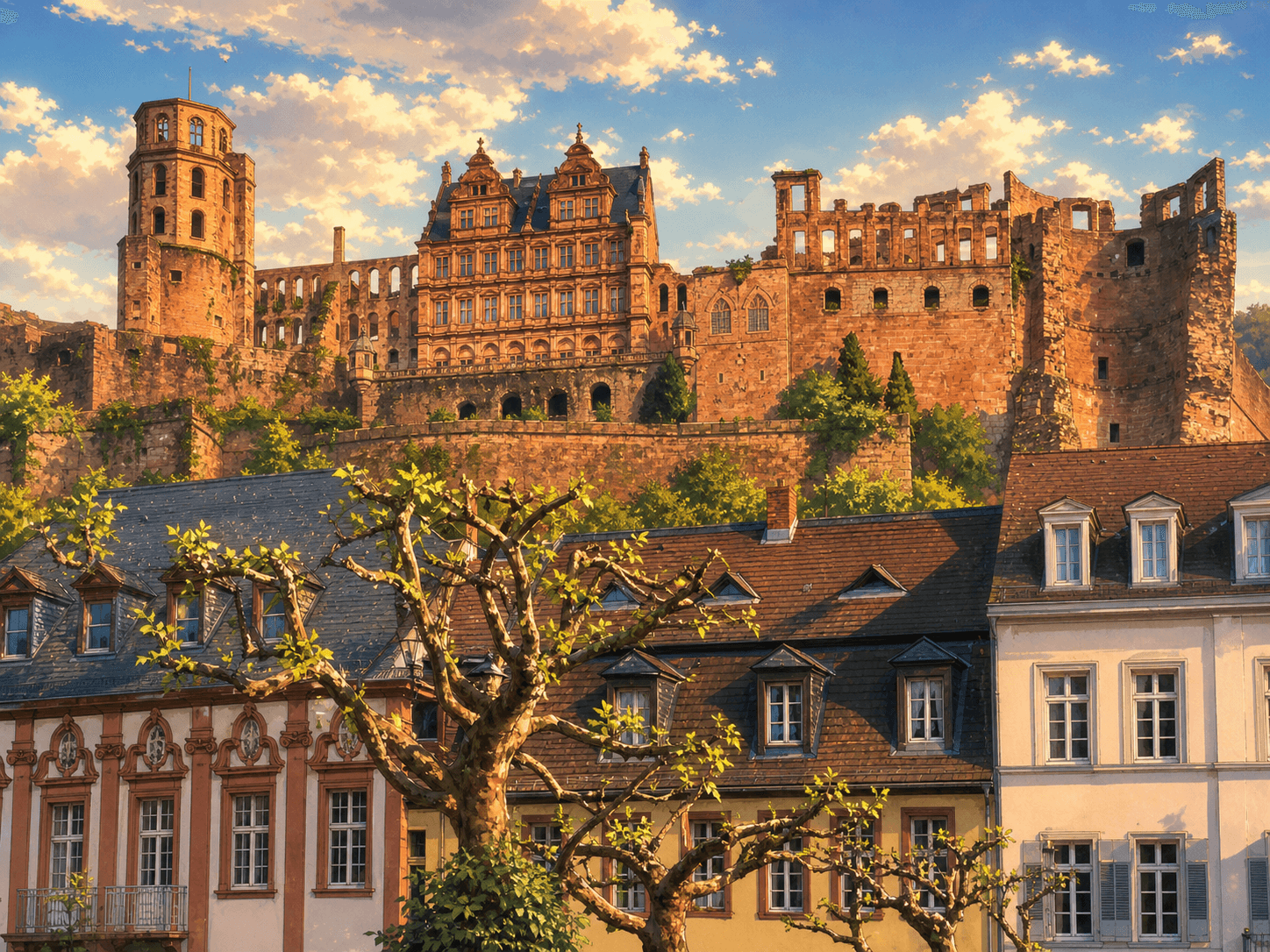
In March 2026, key topics were discussed in Heidelberg's Committee for Climate Protection, Environment, and Mobility. Alongside the 2026 Forestry Plan and the evaluation of parking management in the Bahnstadt district, innovations in photovoltaics and agri-photovoltaics, as well as traffic safety at the intersection of Freiburgerstraße and Karlsruherstraße, were addressed. This blog article explores the background, decisions, and implications of the discussions.
Climate and Environmental Policy in Heidelberg: March 2026 in Focus
The city of Heidelberg has established itself as a pioneer in climate protection in recent years. In March 2026, it set new impulses through several decisions and discussions in its Committee for Climate Protection, Environment, and Mobility. Topics such as forestry, mobility, and renewable energy were in the foreground—often closely linked to sustainability, participation, and EU funding.
The 2026 Forestry Plan: Sustainability and Climate Resilience
The 2026 Forestry Plan is a central instrument for securing the future of Heidelberg's municipal forest. It defines the strategic framework for the development of the urban forest and bundles measures for sustainable forest management. The goal is to strengthen the ecological functions of the forest—its role as a CO₂ sink, a protected area, and a recreational space—in the long term.
Particular emphasis is placed on resilience against climate-related damage. Natural regeneration and the planting of climate-resilient mixed tree species are key measures. In addition, the stock of old and dead wood is being increased to promote biodiversity. Timber use is resource-efficient and conducted in accordance with international standards such as PEFC and FSC.
The recreational function of the forest is also not neglected. Investments in path maintenance, seating areas, and information services, as well as the expansion of themed paths and viewpoints, are planned. The mountain biking concept is continuously developed, with trails such as the Sternwartentrail serving as examples of sustainable leisure activities.
Mobility and Road Safety: Focus on Freiburgerstraße Intersection
The intersection of Freiburgerstraße and Karlsruherstraße was another central topic. It is considered particularly dangerous for pedestrians, especially for people with limited mobility and children. In March 2026, the redevelopment of the bus stop and intersection was the focus of the discussion.
Plans include a barrier-free expansion by the rnv (Regional public transport network) and measures to improve road safety when crossing the four-lane federal road. However, the planning has faced criticism: many residents and traffic associations have called for clear improvements in traffic flow that are missing from the current plan. Although the removal of the free right-turn lane is planned, more is expected to achieve comprehensive safety improvements.
In addition, the pilot project approach of the EU project "Nextlogic" is being implemented in Heidelberg, which develops smart solutions for emission-free freight transport and MicroHubs. The city is receiving EU funding of 318,162.50 EUR for this. This shows how strongly Heidelberg is networked in the implementation of innovative mobility models.
Photovoltaics and Agri-Photovoltaics: Promotion and Local Value Creation
The promotion of photovoltaics is another focus of Heidelberg's climate protection policy. The "Rational Energy Use" support program analyzes the yields of existing systems and plans future measures. In the debate, the question also arose whether photovoltaic systems may only be installed by Heidelberg-based companies.
Legal restrictions under EU state aid law make the preference for local companies difficult. A purely local support condition is therefore considered unfeasible. Nevertheless, agri-photovoltaics is discussed as a promising option and planned for a future committee session. The combination of agriculture and solar energy could significantly support Heidelberg in achieving its climate protection goals.
Parking Management in the Bahnstadt District: Sustainability versus Comfort
The evaluation of parking management in the Bahnstadt district is another topic that was discussed in March 2026. The goal is to reduce car traffic while making access for customers easier. Measures such as enlarging the zone signage, introducing a digital "bread button" for short-term parking, and extending short-term parking to four hours have been implemented.
The evaluation is carried out in three stages: in addition to a standardized survey and qualitative interviews, statistical data is also analyzed. The first report is planned for summer 2026, followed by further measures in the following year. This evaluation strategy underscores Heidelberg's approach of supporting political decisions with participatory and data-based methods.
Conclusion: Sustainability as a Guiding Principle
In March 2026, Heidelberg sends a clear signal for climate protection and sustainability with a broad range of measures and projects. From the forestry plan to mobility innovations and the promotion of photovoltaics—the city demonstrates how environmental and climate policy can be implemented in practice.
The challenges—such as the balance between safety and mobility or the legal limits in the promotion of local companies—show that climate protection is no simple process. Yet Heidelberg proves with its continuous work that it meets these challenges with commitment and innovation.
NeoSearch analyses public council documents, committee minutes and municipal announcements. Source references appear automatically once verified meeting data is available.
What does this mean for businesses?
Municipal heat planning, photovoltaics and climate measures create early project indicators. Following council decisions surfaces sites and tenders before they are publicly advertised.
Track similar decisions in your region
Set up monitoring for environment & climate in Baden-Württemberg — prefilled from this article.
Set up monitoring →More signals from Heidelberg
Heidelberg's Childcare in 2026: Funding, Classification, and Future Viability
In March 2026, Heidelberg made several fundamental decisions regarding childcare. In addition to the introduction of a seventh fee level and the redesign of opening hours, the city also decided on the closure of some municipal daycare centers. An overview of the background, implications, and challenges.
Read more → Heidelberg's Social Policy March 2026: Violence Prevention, Equality and Youth Support in Focus
In March 2026, the city of Heidelberg set new priorities in social policy. The focus was on securing violence protection, strengthening gender equality policy, and supporting young people on their path into education and work. The new provider for perpetrator work, the Center for Violence Prevention and Intervention, as well as the Feminist Weeks and the new Youth Vocational Agency shaped the activities.
Read more → Governance and Administration in Heidelberg – March 2026: Structural Adjustments and Financial Security in Focus
In March 2026, structural changes in the administration, financial decisions, and citizen-oriented governance were at the forefront in Heidelberg. The Municipal Council approved new regulations, confirmed personnel appointments, and prepared for future challenges.
Read more →