Governance in Bollschweil: Transparency, Processes, and Challenges in April 2026
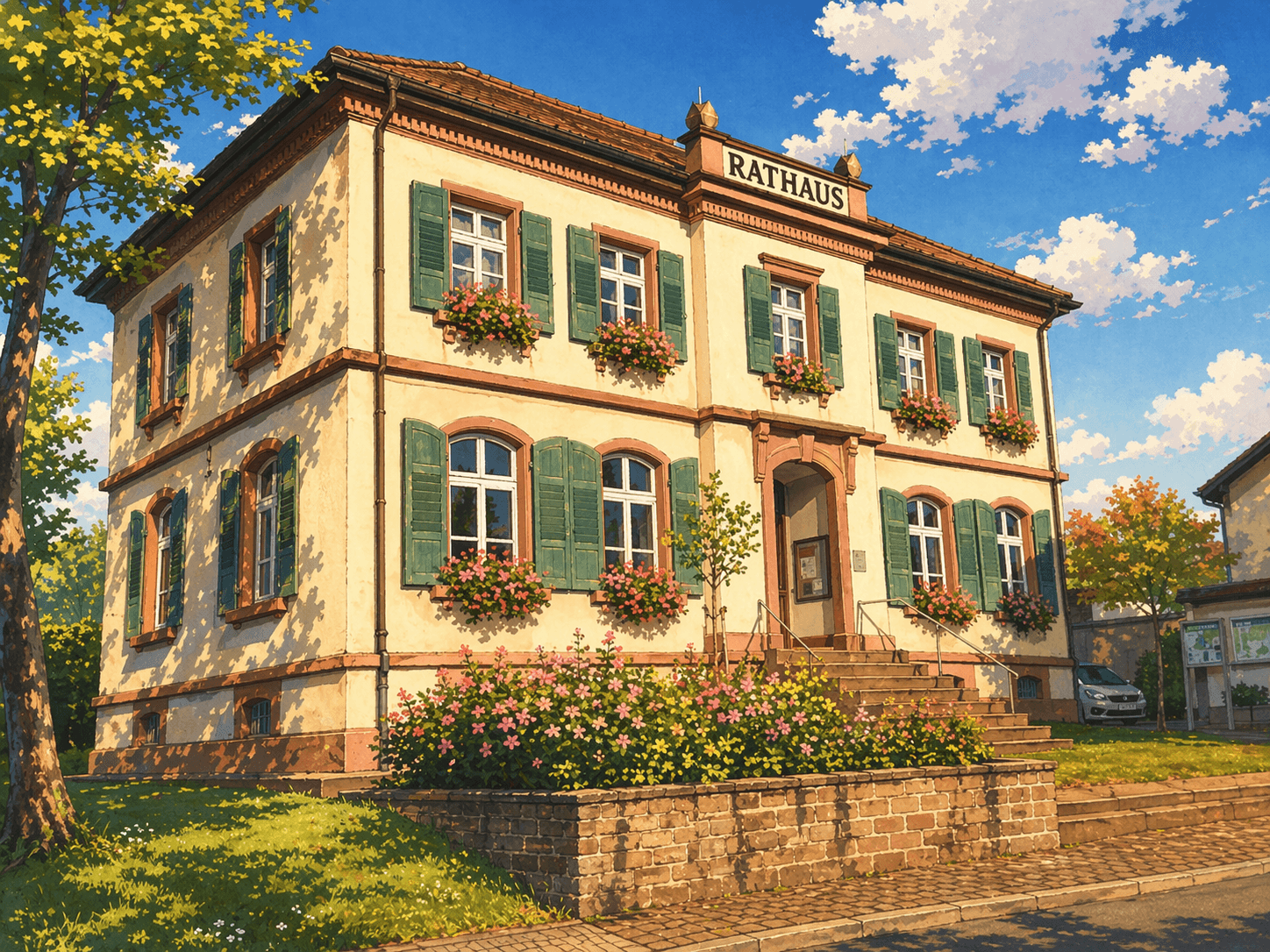
In April 2026, the structures and processes of local administration in Bollschweil are under scrutiny. Although some meetings are planned, publicly accessible agendas are missing – a stumbling block for transparency and citizen participation.
Governance and Administrative Processes in Bollschweil: A Preview for April 2026
Local governance is the foundation for an effective administration and democratic citizen participation. In Bollschweil, a town in Baden-Württemberg, April 2026 highlights that transparency and the communication of decision-making processes still have room for improvement. Although meetings of the municipal council and the technical committee are planned, publicly accessible agendas are currently missing – raising questions about participation and access to information.
The Role of the Council Information System
An instrument already in place in Bollschweil and potentially helpful is the Council Information System. This digital tool is intended to serve as a research platform for citizens, politicians, and the administration. It offers the possibility to make meeting documents, minutes, and planning information accessible online. However, the system currently appears to be underutilized – at least when the lack of published agendas is taken as an indicator.
The introduction of such systems has become standard practice in many cities. They not only promote transparency but also help build trust between the administration and citizens. In Bollschweil, the Council Information System could be a step toward modern governance – provided it is actively used and continuously developed.
Planned Meetings without Public Agendas
In April 2026, several meetings are planned. The municipal council will meet on April 24, 2026 at the Bollschweil Town Hall, and the technical committee will meet on April 22, 2026. Both meetings will take place in the council chamber at the town hall. However, no publicly accessible agendas are available for either event. This raises the question: Why are the agendas not published in good time?
The lack of transparency can lead to uncertainty among citizens. It makes it difficult for interested individuals to review topics in advance or to inform themselves independently. Moreover, this can be perceived as a signal that decision-making processes are not fully brought into the public eye – a situation that can be particularly problematic in smaller towns like Bollschweil in the modern era.
Opportunities for Stronger Citizen Participation
The current situation offers Bollschweil the opportunity to review and improve processes. The early publication of agendas, the use of the Council Information System as a central information source, and the inclusion of citizen initiatives in local discussions could significantly contribute to strengthening governance.
In addition, digital progress is a key issue. In an era in which digital participation is gaining increasing importance, Bollschweil could become a role model for other municipalities by using modern technologies and clear communication channels.
Outlook: Governance in Transition
The current developments show that Bollschweil is not yet at the end of its transformation in the field of governance. The town faces the challenge of making its structures more transparent and involving citizens more strongly in decision-making processes. If successful, Bollschweil could serve as a model for modern, citizen-oriented governance not only in its region but also beyond.
NeoSearch analyses public council documents, committee minutes and municipal announcements. Source references appear automatically once verified meeting data is available.
What does this mean for businesses?
Town halls, fire stations, depots and administrative buildings create early construction and refurbishment opportunities. Following council agendas reveals projects before they go to tender.
Track similar decisions in your region
Set up monitoring for public buildings & administration in Baden-Württemberg — prefilled from this article.
Set up monitoring →More signals from Bollschweil
Urban Development in Bollschweil: From Bridge Construction to Land Use Planning – April 2026 in Focus
In April 2026, Bollschweil focused intensively on topics related to urban development and construction planning. From the renovation of a regional road to the introduction of new burial methods – the month brought numerous decisions with far-reaching consequences.
Read more → Focus April 2026: Municipal Council Work in Bollschweil
In April 2026, recurring meetings and the transparency of local politics were in focus in Bollschweil. The municipal council met on April 24, but the absence of an agenda raised questions. An insight into current municipal council work and the role of citizens.
Read more → Bollschweil April 2026: Infrastructure, Construction, and Administration in Focus
In April 2026, the municipality of Bollschweil made key decisions regarding infrastructure, construction planning, and administration. Here is the monthly review.
Read more →