Flensburg's Urban Development in April 2026: Housing, Culture, and Planning in Focus
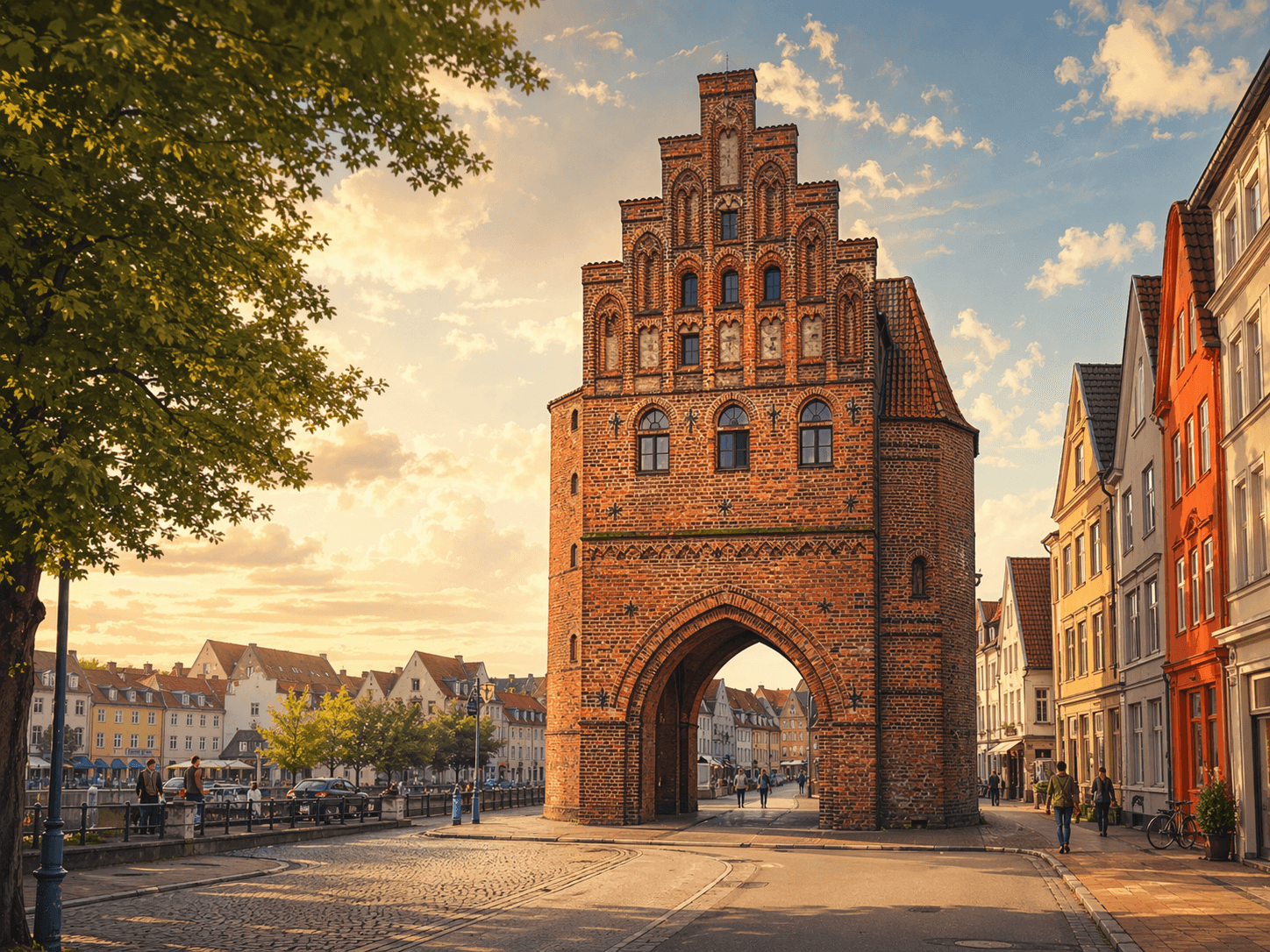
In April 2026, the city of Flensburg focuses on sustainable urban development, culture, and construction through a range of decisions and projects. From the establishment of a development company to the expansion of the Central Hospital – here is an overview.
Housing in Fast-Track Construction: Solutions for All Generations
In April 2026, Flensburg took two significant preliminary construction steps to create housing suitable for all generations. The approval for the construction of four terraced houses at Fruerlunder Straße 78 and an additional dwelling unit at Teichgraeberweg 3 marks a concrete implementation of the Flensburg Strategy 2030+. Both projects are not only tied to strict urban development contracts but also come with clear conditions: construction obligations, exclusion of conversions, and the preservation of trees at property boundaries. The goal is to prevent speculation and ensure long-term affordable housing.
Urban Development Contracts: Security Against Speculation
A central element of the new construction projects is the use of urban development contracts. These bind developers to strict deadlines for the start and completion of construction and obligate them to long-term residential use. Failure to comply may result in contractual penalties. Particularly noteworthy is the protection of trees—such as lindens and maples—at property boundaries. If trees are removed, replacement planting must be carried out. These measures show how Flensburg is striving to combine ecological and social aspects in urban development.
Flensburg Development Company: A New Approach to Urban Renewal
Another significant decision is the establishment of a Flensburg Development Company, initiated by the SPD city council faction. This municipal subsidiary will take over the renovation and development of public buildings—without directly burdening the budget. Providing the company with municipal land as equity is crucial to ensuring creditworthiness. The goal is to reduce investment volumes from municipal oversight areas and implement projects more efficiently.
Temporary Play Streets: Strengthening Engagement, Easing Traffic
Flensburg is also focusing on innovation in neighborhood work in April 2026. The project of temporary play streets is continuing and becoming a permanent fixture. Leadership now lies with the Engagement and Participation Team, which in 2026 will support up to three play streets with a budget of 900 €. From 2027 onward, funding will come from a fund in the Mayor’s office. The aim is to keep public space lively, encourage civic engagement, and relieve traffic planning.
Gastronomy and Night Culture: Flexible Use of Spaces
In the area of night culture, Flensburg has extended the usage hours for outdoor areas of gastronomic businesses in April 2026. In the city center, businesses may remain open until midnight, in other inner-city areas until 11 p.m., and in mixed-use zones until 10:30 p.m. At the same time, the city is examining the introduction of night culture zones and a seasonal fee reduction. These measures are part of a comprehensive strategy to strengthen night culture while also considering social and urban development interests.
Renovation of the Eckener House: Culture in the City Center
Another highlight is the renovation of the Eckener House on Norderstraße. The project, which has been under custodial management since 2020, is set to enter decisive planning phases starting in 2027. With a budget of over 9.9 million euros and a funding gap of nearly 1.3 million euros, financing is secured through grants and guaranteed income. The goal is to develop a multifunctional cultural and meeting house that will be accessible to all age groups, associations, and tourists.
Zoning Plan 305: Central Hospital and Peelwatt
The changes to Zoning Plan 305 for the Central Hospital site show how Flensburg is combining medical and urban development interests. On a 49-hectare area, a modern medical center is being created that will integrate the existing St. Franziskus and Diakonissen hospitals. The planning takes into account noise protection, sound insulation measures, and the preservation of biotopes. At the same time, the Health Park is being expanded, and the river course of the Peelwatt will remain in a natural state.
Conclusion: A City in Transition
April 2026 shows how Flensburg is picking up the thread of sustainable urban development through a range of measures in the areas of housing, culture, and urban planning. Whether through fast-track construction projects, the establishment of a development company, or the renovation of historic buildings, the city is moving toward a vibrant, inclusive, and future-ready urban image. The challenges are great, but the direction is set.
NeoSearch analyses public council documents, committee minutes and municipal announcements. Source references appear automatically once verified meeting data is available.
What does this mean for businesses?
Urban development, zoning plans and commercial settlements create early construction and supply opportunities. Following council decisions reveals projects before they go to tender.
Track similar decisions in your region
Set up monitoring for economic development in Schleswig-Holstein — prefilled from this article.
Set up monitoring →More signals from Flensburg
Flensburg's Open After-School Program: Structural Adjustments and Legal Right of Access from 2026
In April 2026, Flensburg's Education Committee approved significant changes to the framework concept of the Open After-School Program at primary schools and special education centers. The adjustments aim to implement the legal right of access to after-school care, simplify the module structure, and adapt parental contributions. We analyze the background, implications, and future perspectives.
Read more → Social Justice in Flensburg: A Month in Focus on Social and Housing Policy
April 2026 in Flensburg was marked by decisive steps in social and housing policy. From the fee increase in homeless support to the strengthening of queer counseling services – the city is focusing on inclusive structures and long-term perspectives.
Read more → Kindergartens in Flensburg: Support, Catering, and Inclusion in Focus
In April 2026, important decisions and discussions regarding kindergartens (KiTas) were at the center of attention in Flensburg. The Youth Welfare Committee decided on adjustments to the support for KiTas and discussed the future of catering, inclusion, and the impact on socially disadvantaged families. In this blog post, we examine the background, decisions, and their implications for the city of Flensburg.
Read more →