Flensburg April 2026: Play Streets, Sirens, and Social Investments
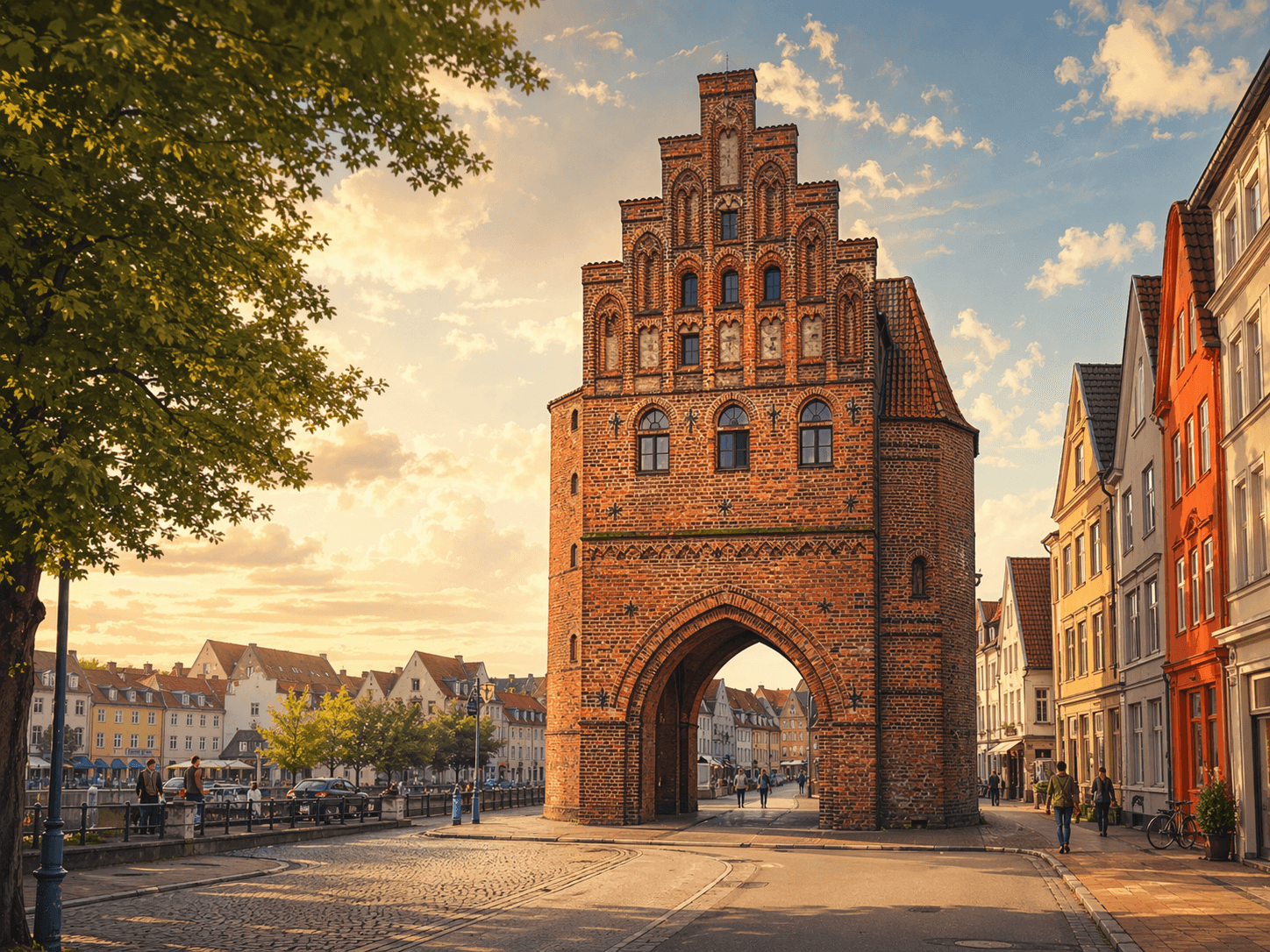
This month, Flensburg has progressed on multiple levels: from the expansion of play streets to the establishment of a siren network, as well as social and educational decisions. Here's the overview.
Play, Safety, and Structure – April in Flensburg
What was important this month
- Temporary play streets will be supported in 2026 with a budget of 900 euros, with the Team for Engagement and Participation taking the lead in future.
- A new siren network with 35 locations will be implemented by 2029 – the investment amounts to 980,000 euros, and the state subsidy is just under 450,000 euros.
- Parental fees for the Extended Day at elementary schools will be redesigned from August 2026 onward – with a maximum of 129 euros per month.
- The subsidization of lunch in daycare centers will be reduced, with subsidies decreasing by 0.10 euros per portion.
- A new women’s shelter is being pursued: The city intends to apply for state funding from Schleswig-Holstein and plans an investment of more than 25 million euros.
Play Streets and Safety: What the City is Planning for Children and Citizens
In April, it became clear that the temporary play streets in Flensburg will not remain a one-season initiative. With a budget of 900 euros for up to three play streets per year, the initiative is now firmly anchored from 2026. The Team for Engagement and Participation will coordinate and manage the projects in the future. The play streets are an important element for traffic safety and the leisure activities of children in the city.
At the same time, a siren network was approved. With 35 locations and a total cost of 980,000 euros, the project is part of the city’s safety strategy. The state funding amounts to 449,939 euros, with the city covering the remainder. The cost per location is 28,000 euros, including maintenance costs. The debate on the necessity of the investment remained controversial, but the committee approved the project.
Education and Social Issues: What is New for Families and Young People
Another focus of the month was the adjustment of the Extended Day at elementary schools. The new modular structure simplifies childcare hours: a basic module until 4 p.m. and an extended care module until 6 p.m.. Parental fees are decreasing, and holiday care will be included in the basic module in the future. The legal right to extended-day care will be expanded up to 5th grade, which is a significant relief for families.
In the Youth Welfare Committee, the subsidization of lunch in daycare centers was also adjusted. Subsidies are decreasing from 2.10 to 2.00 euros per portion, thereby financially relieving the city. At the same time, the parental fee is set at 60 euros per month. The qualitative requirements remain high – the DGE Quality Standard or an equivalent standard applies.
Social Innovations: Women's Shelter, Refugee Support, and Poverty Alleviation
In April, there were also important developments in social infrastructure. The Equal Opportunities Committee decided to submit a funding application for a new women's shelter to the state of Schleswig-Holstein. With a planned investment of 25 million euros, the Flensburg women's shelter is to be modernized and expanded. In addition, the funding of the existing women's shelter will be extended until 2031, and staffing needs will be adjusted.
In refugee support, a Target and Performance Agreement with the Flensburg Refugee Aid e.V. was approved. The city provides 222,000 euros annually to ensure the care of refugees. However, a crisis fund for integration of 12,000 euros was withdrawn due to legal concerns.
In the context of child and youth poverty, Flensburg is working on an overall strategy, to be implemented by 2027. Preventive measures such as Early Help, Family Centers, and School Social Work are to be strengthened to identify and prevent poverty at an early stage.
Overview: From the Siren Network to the Night Culture
The developments in April show how diverse the topics in Flensburg are: from safety through education to social infrastructure. Particularly noticeable is the expansion of the safety network – with the siren network and a new special use ordinance for gastronomic outdoor areas. At the same time, night culture is being promoted, with proposals for night culture zones and a seasonal fee reduction.
A lot has also happened in community work: The Flensburg Movement Summer is being further developed, and the GKV-funded project „VERBUND“ supports physical activity among the elderly in Mürwik.
Conclusion and Outlook
April 2026 was a month of structural and safety investments, as well as social and educational progress in Flensburg. The city is investing in the future of its citizens: whether through play streets for children, safety in daily life, or modern infrastructure for refugees and women in need. May will be interesting to see how the implementation of the projects progresses – and what new debates will emerge.
NeoSearch analyses public council documents, committee minutes and municipal announcements. Source references appear automatically once verified meeting data is available.
What does this mean for businesses?
Schools, daycare centres and public buildings create early planning and construction opportunities. Following council agendas surfaces tenders for refurbishment, new builds and fit-out months before the official award — from shell construction to specialist planning to furnishing.
Track similar decisions in your region
Set up monitoring for education & public facilities in Schleswig-Holstein — prefilled from this article.
Set up monitoring →More signals from Flensburg
Flensburg's Open After-School Program: Structural Adjustments and Legal Right of Access from 2026
In April 2026, Flensburg's Education Committee approved significant changes to the framework concept of the Open After-School Program at primary schools and special education centers. The adjustments aim to implement the legal right of access to after-school care, simplify the module structure, and adapt parental contributions. We analyze the background, implications, and future perspectives.
Read more → Social Justice in Flensburg: A Month in Focus on Social and Housing Policy
April 2026 in Flensburg was marked by decisive steps in social and housing policy. From the fee increase in homeless support to the strengthening of queer counseling services – the city is focusing on inclusive structures and long-term perspectives.
Read more → Kindergartens in Flensburg: Support, Catering, and Inclusion in Focus
In April 2026, important decisions and discussions regarding kindergartens (KiTas) were at the center of attention in Flensburg. The Youth Welfare Committee decided on adjustments to the support for KiTas and discussed the future of catering, inclusion, and the impact on socially disadvantaged families. In this blog post, we examine the background, decisions, and their implications for the city of Flensburg.
Read more →