Environment and Climate in Dresden: Decisions and Debates in March 2026
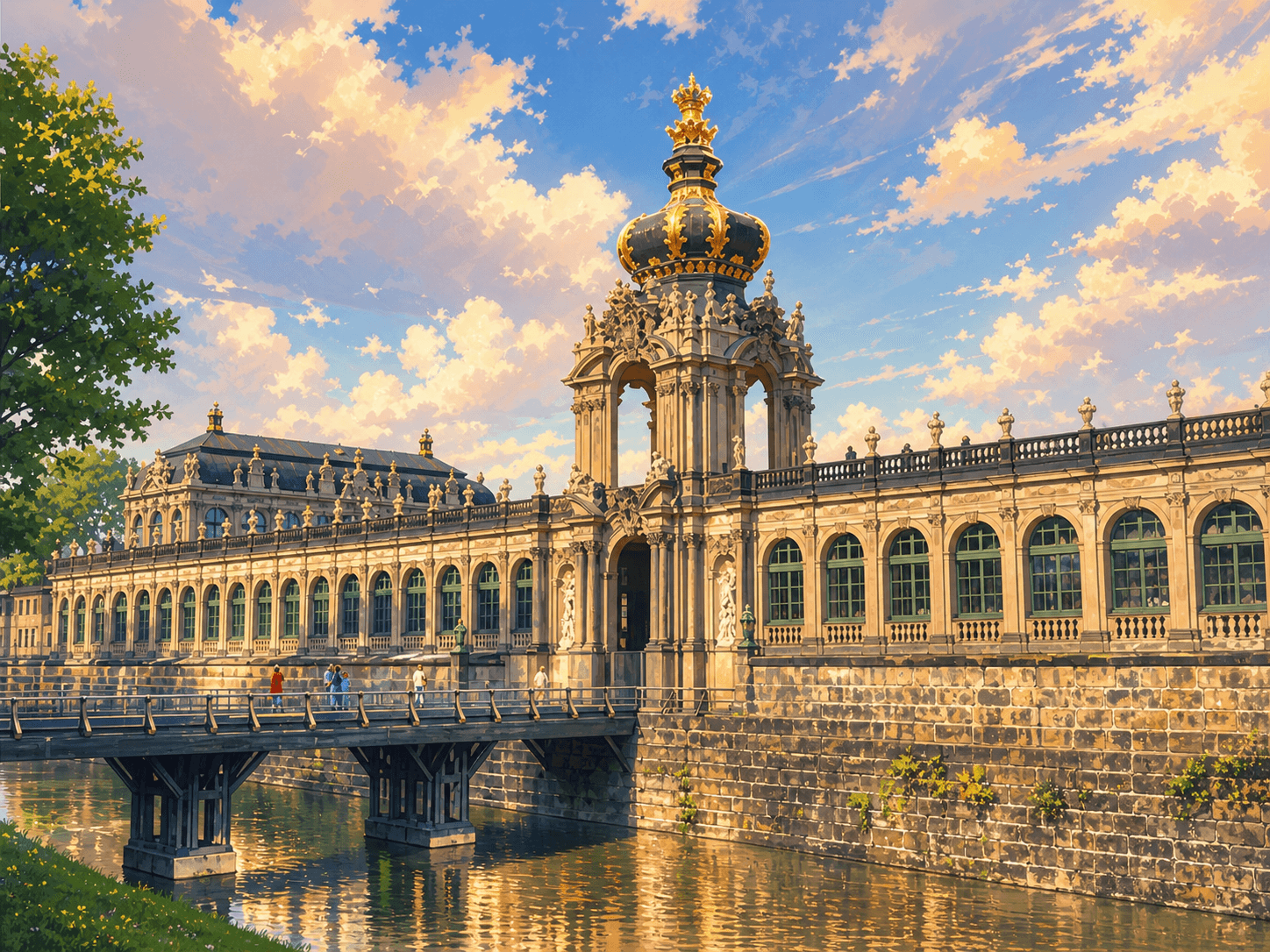
In March 2026, decisive discussions on environmental and climate issues were at the center of attention in Dresden. The Environment and Climate Committee deliberated on the pumped storage power plant and the feasibility of a bathing area at Kiessee Leuben. The vote on the Integrated Energy and Climate Protection Concept was very close. This blog analyzes the background and consequences of the debates.
Environment and Climate in Dresden: Decisions and Debates in March 2026
The debate on climate protection and sustainability is gaining increasing urgency in cities like Dresden. In March 2026, the Environment and Climate Committee took center stage as it discussed central topics such as energy supply, local recreation, and climate policy. The decisions and discussions had far-reaching implications for future urban development and resource management.
The Dresden Pumped Storage Power Plant – Future or Farewell?
A central item on the agenda of the meeting on March 9, 2026, was the hearing on the current situation and future prospects of the Dresden Pumped Storage Power Plant. The plant, which has been in operation since the 1960s, has so far played an important role in the regional energy mix. With the increasing transition to renewable energies, the question arises whether the pumped storage power plant can still be used as a means of storing surplus electricity or whether a phase-out of the technology is necessary.
The debate in the committee showed how complex the decision is. On the one hand, there is the need to maintain a stable electricity supply, and on the other, the urgency to advance the expansion of renewable energies. The hearing brought in experts who assessed both long-term and short-term scenarios for the power plant. The discussion remained open, but a direction toward reducing dependence on pumped storage is becoming apparent.
Kiessee Leuben Bathing Area – Recreation in Transition
Another topic was the feasibility study for a bathing area at Kiessee Leuben. The gravel pit lake is a popular recreational area and is seen by the city as part of its ecological and social infrastructure. The study aims to examine whether the infrastructure around the lake can be adapted to meet the growing demands for safety, barrier-free access, and environmental standards.
The study is part of a broader plan to create more green and blue infrastructure in the city, especially in the outer districts. The debate in the committee showed that it is not only about tourist attractiveness but also about building climate-resilient spaces that will remain usable in the future. The study will be published in the second quarter of 2026.
The Integrated Energy and Climate Protection Concept (IEK) – A Close Vote
Another focus of the meeting was the alignment of the Integrated Energy and Climate Protection Concept (IEK). The concept lays the foundation for Dresden's climate protection policy in the next ten years and includes measures to reduce greenhouse gases, increase energy efficiency, and promote renewable energies.
The vote took place on March 9, 2026, and was very close: 5 yes votes, 5 no votes, and one abstention. This shows how polarizing environmental and climate topics are in the municipal political arena. Critics argued that the concept was too ambitious and placed too high a financial burden on the city. Supporters, on the other hand, emphasized the necessity of making decisions now for a climate-friendly future.
Outlook: What Comes Next?
The decisions and debates in March 2026 mark an important milestone in Dresden's climate policy. The future of the pumped storage power plant, the development of recreational areas, and the expansion of the integrated climate protection concept are issues that will occupy the city in the coming years. The close vote shows that political consensus in these areas remains tense but also necessary.
In the future, it will be crucial how the city implements its climate protection goals into concrete projects while taking into account both economic and social aspects. Communication with the population and the inclusion of experts from science and industry remain central.
NeoSearch analyses public council documents, committee minutes and municipal announcements. Source references appear automatically once verified meeting data is available.
What does this mean for businesses?
Municipal heat planning, photovoltaics and climate measures create early project indicators. Following council decisions surfaces sites and tenders before they are publicly advertised.
Track similar decisions in your region
Set up monitoring for environment & climate in Sachsen — prefilled from this article.
Set up monitoring →More signals from Dresden
Environment and Climate in Dresden April 2026: Focus of the 20th Committee Meeting
In April 2026, environmental and climate policy will be in the spotlight in Dresden. The Committee for Environment and Climate will address key topics such as the municipal heat plan, waste management, and wind energy use. An overview of the most important decisions and debates.
Read more → Social Affairs and Housing in Dresden: Political Priorities in April 2026
In April 2026, the Committee for Social Affairs and Housing in Dresden focused on key topics such as budget adjustments, barrier-free mobility, and emergency housing concepts. An overview of the most important decisions and developments.
Read more → Culture and Community in Dresden: Decisions and Developments in April 2026
In April 2026, Dresden saw numerous developments in the area of culture and community. From new funding models and fee adjustments to structural reports – the Committee for Culture and Tourism set important impulses.
Read more →